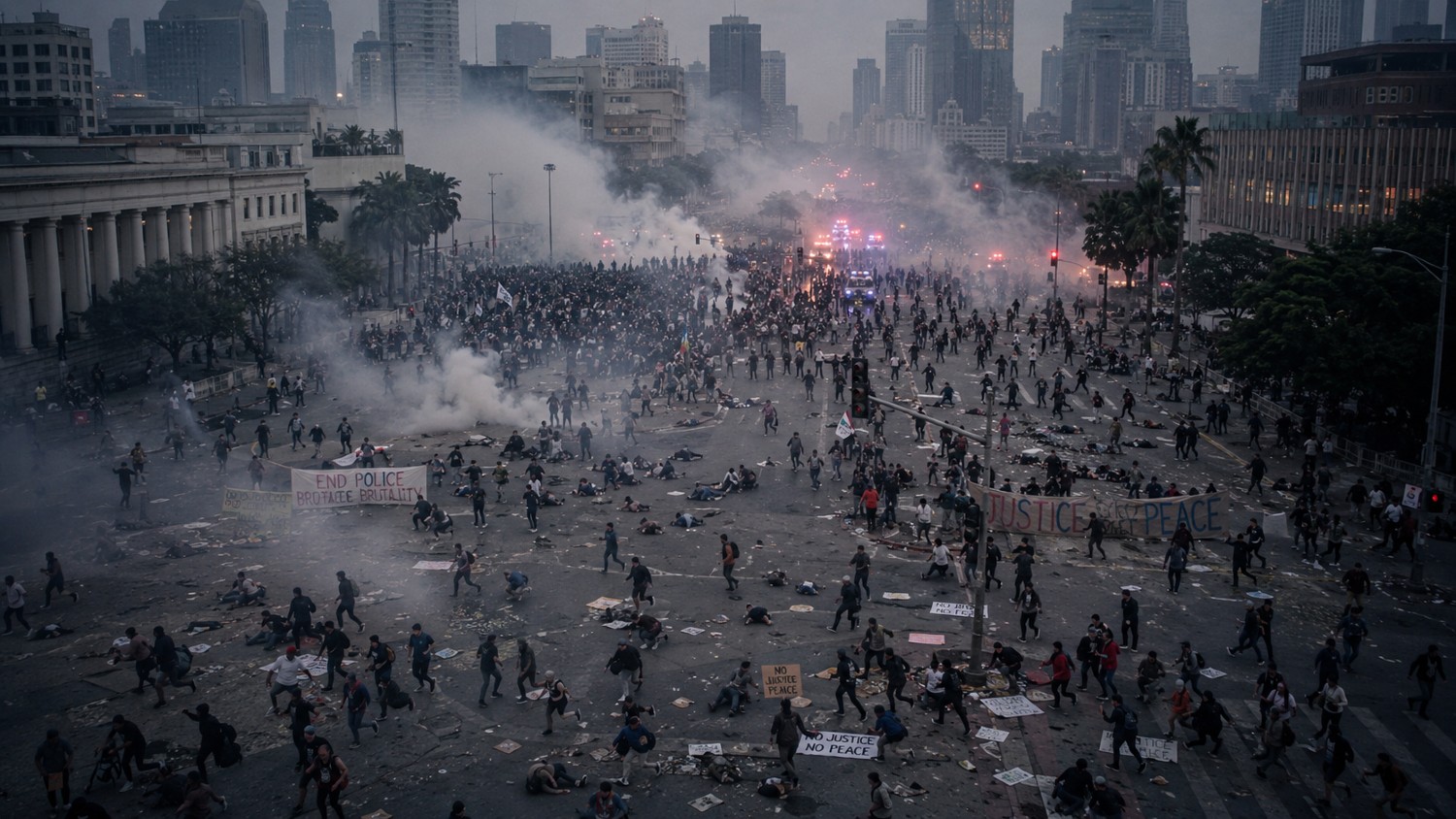
History can draw some strange parallels sometimes. Two horrid massacres, though completely disconnected, reflect the level of discrimination that existed in the early 20th century in Japan and the United States.
Soon after the Great Kanto Earthquake in 1923, amid the ruined cities of Yokohama and Tokyo, rumors spread that Korean immigrants were poisoning wells and starting fires. When the Japanese citizens heard this, they quickly formed vigilante groups with the blessing of the local police and military. These vigilantes roamed the cities, killing any Koreans they could find. Some Chinese immigrants and even Japanese who could not prove who they were were also killed. The actual number of people murdered is unknown, but estimates range between 2,000 and 7,000.
There is a museum in Tokyo called The History Museum of J-Koreans that chronicles the events of that time. (Unfortunately, the museum is attached to the Korean embassy, so you need to make an appointment to view the exhibits.)
The museum's exhibit on this horrid event asserts that the Japanese authorities deliberately spread the false rumors, and the vigilante groups were formed and "acted under the auspices of the army and police forces that were mobilized by the state under this period of martial law."
The problem is that the Japanese government has not investigated this massacre or apologized for it. Tokyo Governor Yuriko Koike continues to ignore any memorial ceremonies for the Korean victims, breaking with what past governors customarily have done.
Another massacre occurred across the globe in the United States during the same time period. This terrible event in May of 1921 was not as deadly as the one mentioned above, but it did uproot the lives of thousands of African Americans living in Tulsa, Oklahoma.
At the time, Tulsa was a very segregated city. Most of Tulsa's 10,000 Black residents lived in the Greenwood neighborhood, which included a thriving business district often referred to as the "Black Wall Street."
A rumor was started about a teenage Black boy who sexually assaulted a white woman in an elevator. The boy was arrested by the police and held at the local courthouse. That evening an angry mob of white men descended on the courthouse, demanding that the police give them the teenager. Wild rumors about a Black uprising, or insurrection, were starting, which riled up the local white population into action.
Over the next several hours, groups of white men attacked any Black people they could find at that hour, even killing some of them in cold blood. Adding to the hysteria were rumors that Blacks from surrounding towns were coming to Tulsa to participate in the insurrection. By the next morning, thousands of white citizens went into the Greenwood neighborhood and proceeded to set fire to every home and business. At the end of the day the entire neighborhood was in ruins, and many of its Black citizens were arrested. In the end, on official records only 36 people died, though historians estimate over 300 were killed.
There are many parallels between these two events. Both started based on rumors. Both were escalated and enabled by the police and local authorities. And both were hidden from public view, omitted from many history books. More recently the truth about these incidents is being revealed by the media, rightfully so. We cannot learn from history if it is hidden.
単語
“At the time, Tulsa was a very segregated city.”
-
In 1989 the segregated neighborhood was declared illegal by the township.1989年、その分離された地域は町当局によって違法と宣言されました。
“Two horrid massacres, though completely disconnected, reflect the level of discrimination that existed in the early 20th century in Japan and the…”
“The problem is that the Japanese government has not investigated this massacre or apologized for it.”
-
The massacre of students at Kent State was amid the Vietnam War.ケント州立大学での学生虐殺事件は、ベトナム戦争の最中に起こりました。
“History can draw some strange parallels sometimes.”
“There are many parallels between these two events.”
-
In Vladimir Putin's decade of aggression against the Ukrainian people, I see a limited but instructive historical parallel with German actions during World War II.ウラジーミル・プーチンによるウクライナ国民に対する10年にわたる侵略行為には、第二次世界大戦中のドイツの行動との限定的ではあるものの示唆に富む歴史的な類似点が見られます。
“Two horrid massacres, though completely disconnected, reflect the level of discrimination that existed in the early 20th century in Japan and the United States.”
-
The Civil Rights Act of 1964 prohibits discrimination on the basis of race, color, religion, sex or national origin.1964年公民権法は、人種、肌の色、宗教、性別、または出身国に基づく差別を禁止しています。
“When the Japanese citizens heard this, they quickly formed vigilante groups with the blessing of the local police and military.”
“These vigilantes roamed the cities, killing any Koreans they could find.”
-
The police could not stop the vigilantes from taking the suspect and hanging him in the town square.警察は自警団員が容疑者を連行し、町の広場で絞首刑にするのを止めることができなかった。
“Soon after the Great Kanto Earthquake in 1923, amid the ruined cities of Yokohama and Tokyo, rumors spread that Korean immigrants were poisoning wells and starting fires.”
-
Our dream home, set amid magnificent rolling countryside, was something we worked for tirelessly for many years.素晴らしい起伏のある田園風景の中に佇む私たちの夢のマイホームは、何年もの間たゆまず努力して手に入れたものです。
“There is a museum in Tokyo called The History Museum of J-Koreans that chronicles the events of that time.”
-
The reported chronicled the history of the football league, from its inception to present day.レポーターはそのフットボールリーグの歴史を、創設から現在に至るまで記録しました。
“…were formed and "acted under the auspices of the army and police forces that were mobilized by the state under this period of martial law."”
-
The government declared marshal law because the police could not control the angry crowds of people.警察が怒り狂う群衆を制御できなかったため、政府は戒厳令を布告しました。
“…asserts that the Japanese authorities deliberately spread the false rumors, and the vigilante groups were formed and "acted under the auspices of the army and police forces that were mobilized by the state under this period of martial law."”
-
The work on the museum was done under the auspices of the local historical society.博物館の作業は地元の歴史協会の後援の下で行われました。
“Two horrid massacres, though completely disconnected, reflect the level of discrimination that existed in the early 20th century in Japan…”
“The museum's exhibit on this horrid event asserts that the Japanese authorities deliberately spread the false rumors, and the vigilante groups were formed and…”
-
His horrid crimes were ironically rewarded with riches beyond what he ever imagined.彼の恐ろしい犯罪は、皮肉にも彼が想像した以上の富で報われました。
“Adding to the hysteria were rumors that Blacks from surrounding towns were coming to Tulsa to participate in the insurrection.”
-
The citizens were overcome with hysteria after the bombing of their town.市民たちは町が爆撃された後、ヒステリー状態に陥りました。
“Wild rumors about a Black uprising, or insurrection, were starting, which riled up the local white population into action.”
“Adding to the hysteria were rumors that Blacks from surrounding towns were coming to Tulsa to participate in the insurrection.”
-
The insurrection lasted until the governor declared marshal law.暴動は知事が戒厳令を布告するまで続きました。
“…the next several hours, groups of white men attacked any Black people they could find at that hour, even killing some of them in cold blood.”
-
The poor homeless woman was murdered in cold blood by her cruel assailant.貧しいホームレスの女性が、残忍な襲撃者によって冷酷に殺害されました。
クイズ
このシリーズの次のレッスン
 レッスン 7 / 7
米国大統領選挙、再びデジャブ
アメリカ大統領選挙の翌日。トランプが勝つなんて誰が予想しただろうか? いや、みんな予想してたよ。
次のレッスンへ
前のレッスン: 日本、6月10日から観光客の受け入れを再開
このレッスンはいかがでしたか?
ご質問やご感想をお気軽にどうぞ。すべて目を通しています。