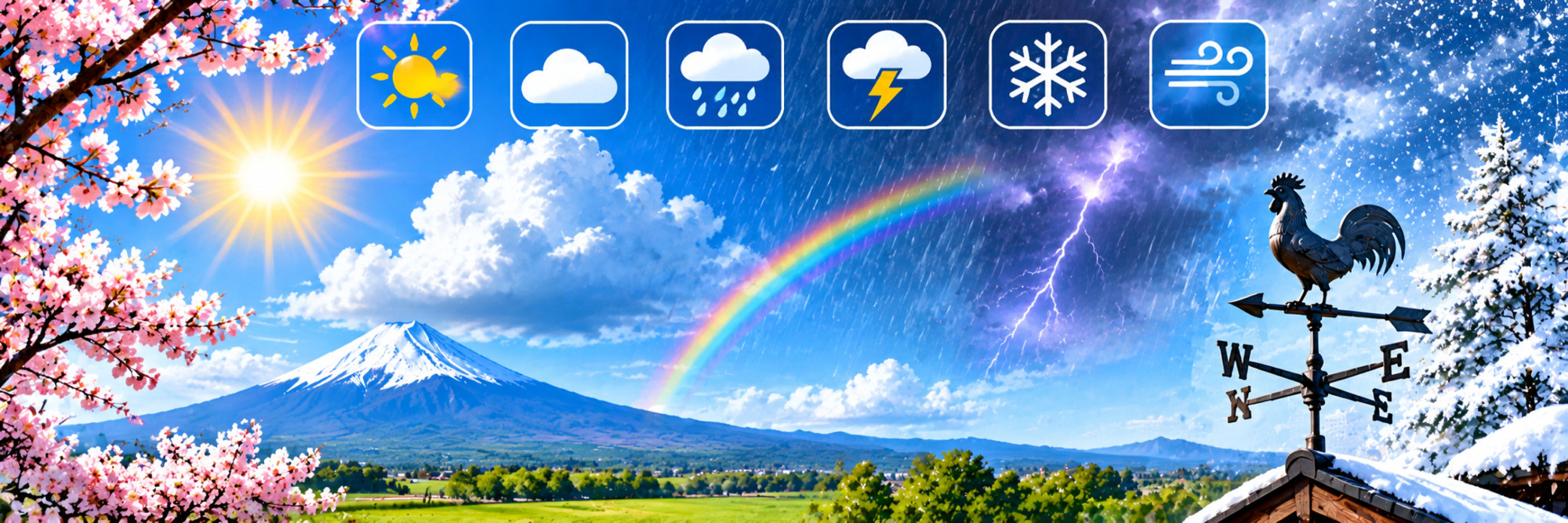
Lesson Goals
- be able to talk about the weather
- understand a basic weather forecast
Let's Start
The weather is the one thing we all talk about. When we want to plan something, we check the weather forecast and hope the weather will be good on the day of our event. We even talk about the weather when there is nothing else to talk about! Imagine being with somebody you just met, and discover you have very little in common. What do you talk about then? The weather!
OK, so here are some words and images that will help you remember the basic weather words.
 |
It will be rainy today. |
 |
On Tuesday it will be sunny and warm. |
 |
I love a warm spring day in the park. |
 |
I love to play outside on a snowy day. |
 |
Foggy mornings are common in the mountains. |
 |
It is cloudy today with a chance of rain. |
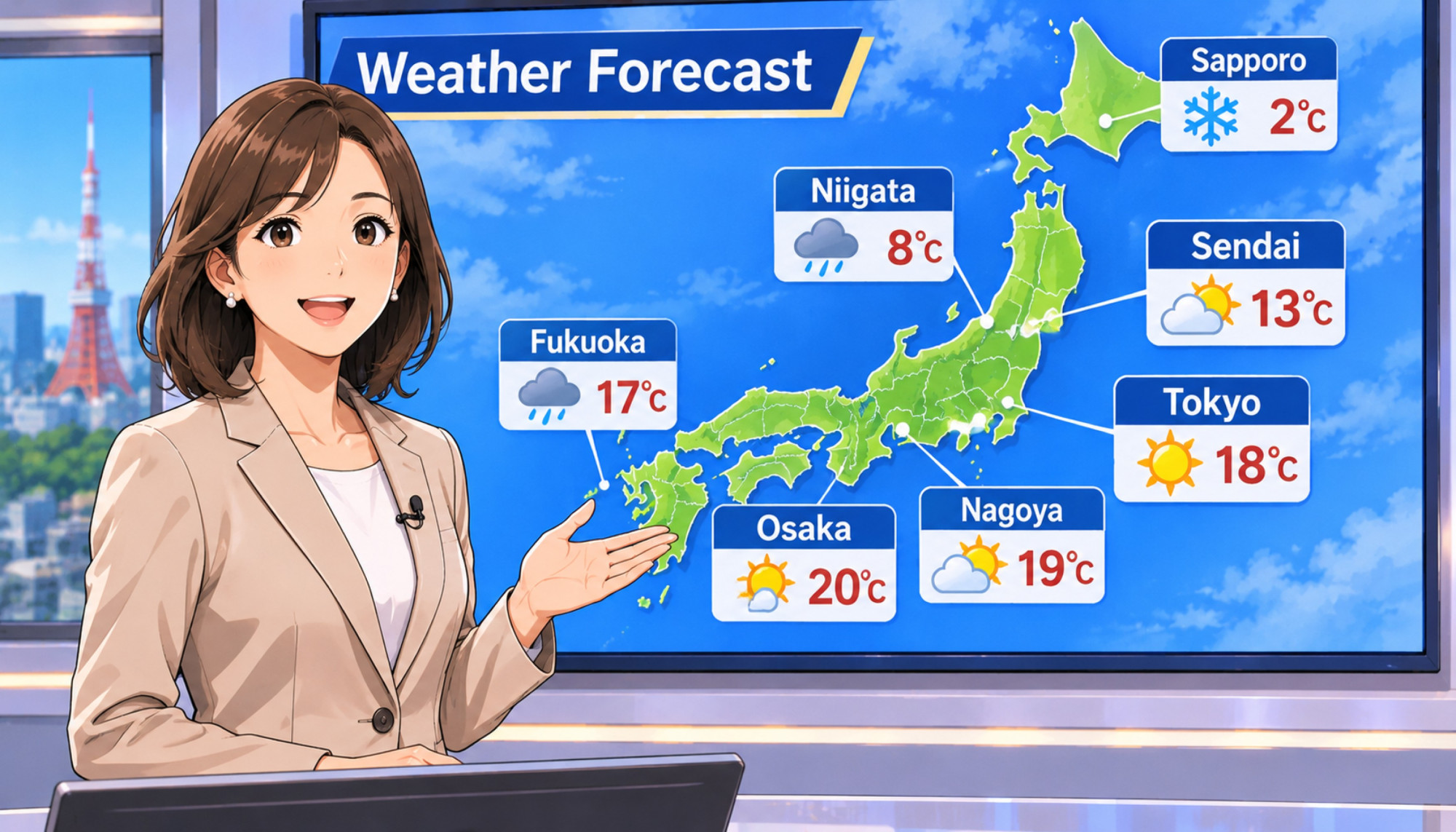 |
Did you see the weather forecast on TV? |
 |
On very stormy days I stay home. |
 |
I like flying a kite on a windy day. |
 |
Wow, it is really hot today! |
 |
Humid days make me feel so tired. |
 |
It will be cool today. |
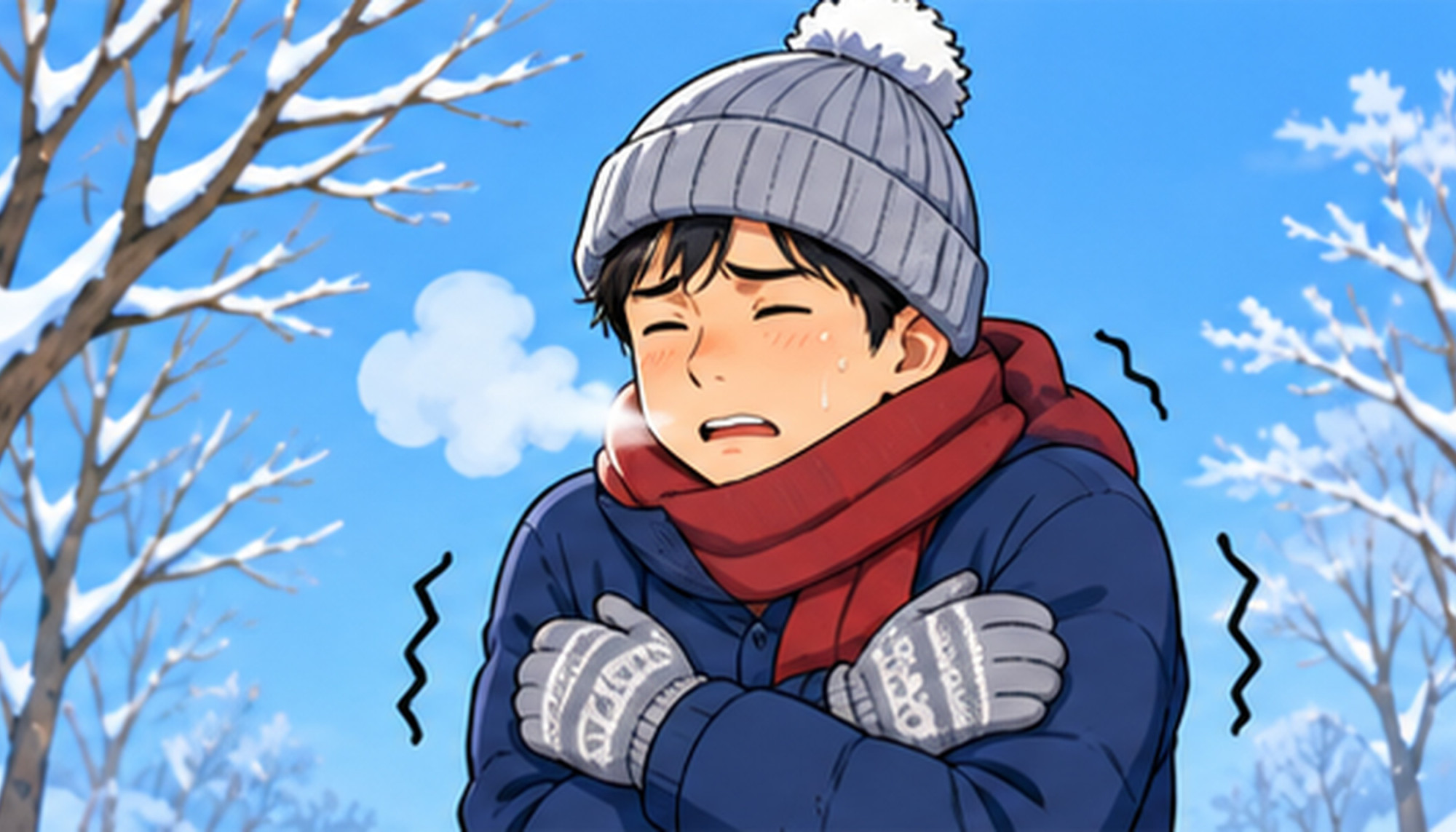 |
Tomorrow it will be very cold. |
Conversation
Jane and Keiko walk in the park on a rainy day, and talk about what they will do when the weather improves.
Jane: I saw in the weather forecast that it will be rainy all week.
Keiko: Yeah, too bad. The festival is this Saturday, so I hope it is sunny and warm by then.
Jane: It will be cloudy and cool Saturday.
Keiko: Oh well, that's better than rain. I hope it is not too windy.
Jane: Hey, do you like skiing? Our family will go on a ski trip next month. Do you want to come too?
Keiko: Yes, I love snowy weather! I am bad at skiing though.
Jane: Don't worry, we'll teach you!
Keiko: Sure, sounds good! I hope it doesn't snow too much.
Grammar in this Lessonこのレッスンの文法
After verbs like love and want, use to + base verb: love to play, want to come. In this lesson, it shows what people like to do in certain weather or invites someone to join a plan.love や want などの動詞の後には「to + 動詞の原形」を使います(love to play、want to come)。このレッスンでは、天気に合わせて好きなことを言ったり、誰かを予定に誘ったりするときに使われています。
“I love to play outside on a snowy day.”
“Do you want to come too?”
Explanation説明
What this structure means
An infinitive is the base verb form. After another verb, English often uses to + base verb to show desire, plan, hope, decision, or purpose. Japanese often uses 「〜したい」, 「〜するつもり」, or 「〜するように」, so the meaning is familiar, but English still needs to. "I want to learn Japanese."
Common verbs that take to
Use this pattern after everyday verbs such as want, need, hope, decide, plan, learn, try, and would like. These verbs keep the next verb in the base form. "She decided to stay home." "Do you hope to visit Kyoto?" "Would like" is a softer, more polite way to say want.
When there is a person in the middle
Some verbs use an object before the infinitive. The pattern is verb + person or thing + to + base verb. Common examples are ask, tell, want, and help. "We asked him to wait." Japanese often uses 「〜するように頼む」 or 「〜するように言う」. Do not add an extra to before the person.
Important exceptions
After make and let, English usually uses the bare infinitive, without to. "My dad made me clean my room." Help can use both forms, and both are natural. So most verbs take to, but these common verbs do not.
Negative and question forms
In a negative sentence, make the first verb negative: "I don't want to be late." To make the infinitive itself negative, put not before to: "She decided not to go." In a question, change the first verb, not the infinitive: "Do you hope to visit Kyoto?" This is different from Japanese, which can often make a question with か and no extra helper verb.
Conversation
A: Do you want to join our study group?
B: I'd like to, but I need to finish dinner first.
A: No problem. Can you ask Ken to come too?
B: Sure. I'll tell him to text me.
この形の意味
不定詞は動詞の原形です。別の動詞の後ろで to + 動詞の原形 を使うと、願望、予定、決定、目的などを表せます。日本語では「〜したい」「〜するつもり」「〜するように」と表すことが多いので、意味は近いですが、英語では to が必要です。「I want to learn Japanese.」
to をよく使う動詞
want, need, hope, decide, plan, learn, try, would like などの後ろでこの形を使います。これらの動詞の後ろの動詞は、原形のままです。「She decided to stay home.」「Do you hope to visit Kyoto?」would like は want より丁寧です。
人をはさむ形
動詞の後ろに人や物が入ることもあります。形は「動詞 + 人/物 + to + 動詞の原形」です。よく使うのは ask, tell, want, help です。「We asked him to wait.」日本語では「〜するように頼む」「〜するように言う」と言います。英語では、人の前に余計な to を置かないようにします。
特によく出る例外
make と let の後ろでは、ふつう to を入れません。「My dad made me clean my room.」help は to ありでもなしでも自然です。つまり、ほとんどの動詞は to を使いますが、よく使う例外もあります。
否定文と疑問文
否定文では、最初の動詞を否定形にします。「I don't want to be late.」不定詞そのものを否定するときは、to の前に not を置きます。「She decided not to go.」疑問文では、不定詞ではなく最初の動詞を変えます。「Do you hope to visit Kyoto?」日本語では「か」をつければ質問になりますが、英語では do / does / did が必要なことが多いです。
会話
A: Do you want to join our study group?
うちの勉強会に参加したい?
B: I'd like to, but I need to finish dinner first.
そうしたいけど、先に夕食を済ませないといけないんだ。
A: No problem. Can you ask Ken to come too?
いいよ。ケンにも来るように頼んでくれる?
B: Sure. I'll tell him to text me.
もちろん。私にメッセージするように伝えるよ。
Examples例文
- I want to learn Japanese. 日本語を学びたいです。
- She decided to stay home. 彼女は家にいることにしました。
- We asked him to wait. 私たちは彼に待つよう頼みました。
- My dad made me clean my room. 父は私に部屋を片づけさせました。
- I don't want to be late. 遅れたくありません。
- Do you want to visit Kyoto? 京都を訪れたいですか。
Common Mistakesよくある間違い
1. Leaving out "to" after a common verb
Wrong: "I want go home."
Right: "I want to go home."
Japanese often uses the plain verb form here, so learners forget to.
2. Using -ing instead of the infinitive
Wrong: "I need studying."
Right: "I need to study."
After these verbs, English uses the infinitive, not the -ing form.
3. Adding an extra "to" before the person
Wrong: "She told to me to wait."
Right: "She told me to wait."
The person comes directly after the verb, without to.
4. Using "to" after make or let
Wrong: "My dad made me to clean my room."
Right: "My dad made me clean my room."
After make and let, English usually uses the bare infinitive.
1. 動詞の後ろの to を落とす
誤:"I want go home."
正:"I want to go home."
日本語ではそのまま動詞を置けるので、to を忘れやすいです。
2. to 不定詞の代わりに -ing を使う
誤:"I need studying."
正:"I need to study."
この形では、英語は -ing ではなく不定詞を使います。
3. 人の前に余計な to を入れる
誤:"She told to me to wait."
正:"She told me to wait."
人は動詞のすぐ後ろに置きます。前に to は入りません。
4. make / let の後ろに to を入れる
誤:"My dad made me to clean my room."
正:"My dad made me clean my room."
make と let の後ろでは、ふつう to を入れません。
Vocabulary
Here, 'humid' describes weather where the air feels wet and heavy, often hot and sticky.
In the passage“Humid days make me feel so tired.”
-
The weather became hot and humid in the afternoon.午後になると、天気は暑くて湿気がこもるようになった。
-
It felt humid after the rain.雨のあと、湿気がこもっていた。
Here, 'weather' means the conditions outside, like sun, rain, wind, and temperature, at a certain time.
In the passage“be able to talk about the weather”
“understand a basic weather forecast”
-
The weather is nice today.今日は天気がいいです。
-
We checked the weather before going outside.外出する前に天気を確認しました。
Here, 'rainy' describes a day or weather when it rains a lot.
In the passage“It will be rainy today.”
“Jane and Keiko walk in the park on a rainy day, and talk about what they will do when the weather improves.”
-
It is rainy today, so bring an umbrella.今日は雨なので、傘を持ってきてください。
-
Rainy days are good for staying inside and reading.雨の日は家の中で読書をするのにいいです。
Here, 'sunny' describes weather when the sun is shining and the sky is clear.
In the passage“On Tuesday it will be sunny and warm.”
“The festival is this Saturday, so I hope it is sunny and warm by then.”
-
It is sunny and warm outside.外は晴れていて暖かいです。
-
We had a sunny day at the park.公園で晴れた一日を過ごしました。
Here, 'warm' describes weather that is pleasantly a little hot, not cold.
In the passage“On Tuesday it will be sunny and warm.”
“I love a warm spring day in the park.”
-
The room feels warm.部屋は暖かく感じます。
-
It was warm enough to wear a T-shirt.Tシャツを着られるくらい暖かかったです。
Here, 'snowy' describes a day or weather when snow is falling or there is a lot of snow.
In the passage“I love to play outside on a snowy day.”
“Keiko: Yes, I love snowy weather!”
-
The mountains are snowy in winter.冬には山々が雪におおわれます。
-
It was a snowy morning.雪の降る朝でした。
Here, 'cool' describes weather that is a little cold, but not very cold, in a pleasant way.
In the passage“It will be cool today.”
“Jane: It will be cloudy and cool Saturday.”
-
It will be cool today.今日は涼しくなるでしょう。
-
The morning air was cool and fresh.朝の空気はひんやりとして、すがすがしかったです。
Here, 'foggy' describes weather when there is thick, low cloud in the air, so it is hard to see far.
In the passage“Foggy mornings are common in the mountains.”
-
It is foggy outside this morning.今朝は外が霧で見えにくいです。
-
The road was foggy and hard to see.道路は霧で見えにくかったです。
Here, 'cloudy' describes weather when the sky is covered with clouds and you can't see much sun.
In the passage“It is cloudy today with a chance of rain.”
“Jane: It will be cloudy and cool Saturday.”
-
The sky looks cloudy.空はくもって見えます。
-
It may rain because it is cloudy.くもっているので、雨が降るかもしれません。
Here, 'stormy' describes weather with strong winds and heavy rain, sometimes with thunder.
In the passage“On very stormy days I stay home.”
-
The weather turned stormy in the afternoon.午後に天気が荒れました。
-
It was too stormy to go outside.外に出るにはあまりにも荒れた天気でした。
Here, 'windy' describes weather when the wind is blowing strongly.
In the passage“I like flying a kite on a windy day.”
“I hope it is not too windy.”
-
It is windy today, so hold on to your hat.今日は風が強いので、帽子をしっかり持ってください。
-
The windy weather moved the clouds quickly.風の強い天気で雲が速く流れました。
Here, 'hot' describes weather when the temperature is very high.
In the passage“Wow, it is really hot today!”
-
It is hot in the summer.夏は暑いです。
-
Please drink water when the weather is hot.天気が暑いときは水を飲んでください。
Here, 'cold' means the weather or air will have a low temperature, so it will feel very chilly outside.
In the passage“Tomorrow it will be very cold.”
-
It is cold outside today.今日は外が寒いです。
-
She drank cold water after the game.彼女は試合のあとで冷たい水を飲みました。
Quizzes
You Finished This Series
This is the last lesson in English Basics.
Back to the SeriesUp Next
Previous lesson: Food & Drink
What did you think of this lesson?
Ask a question or share a thought — I read every one.