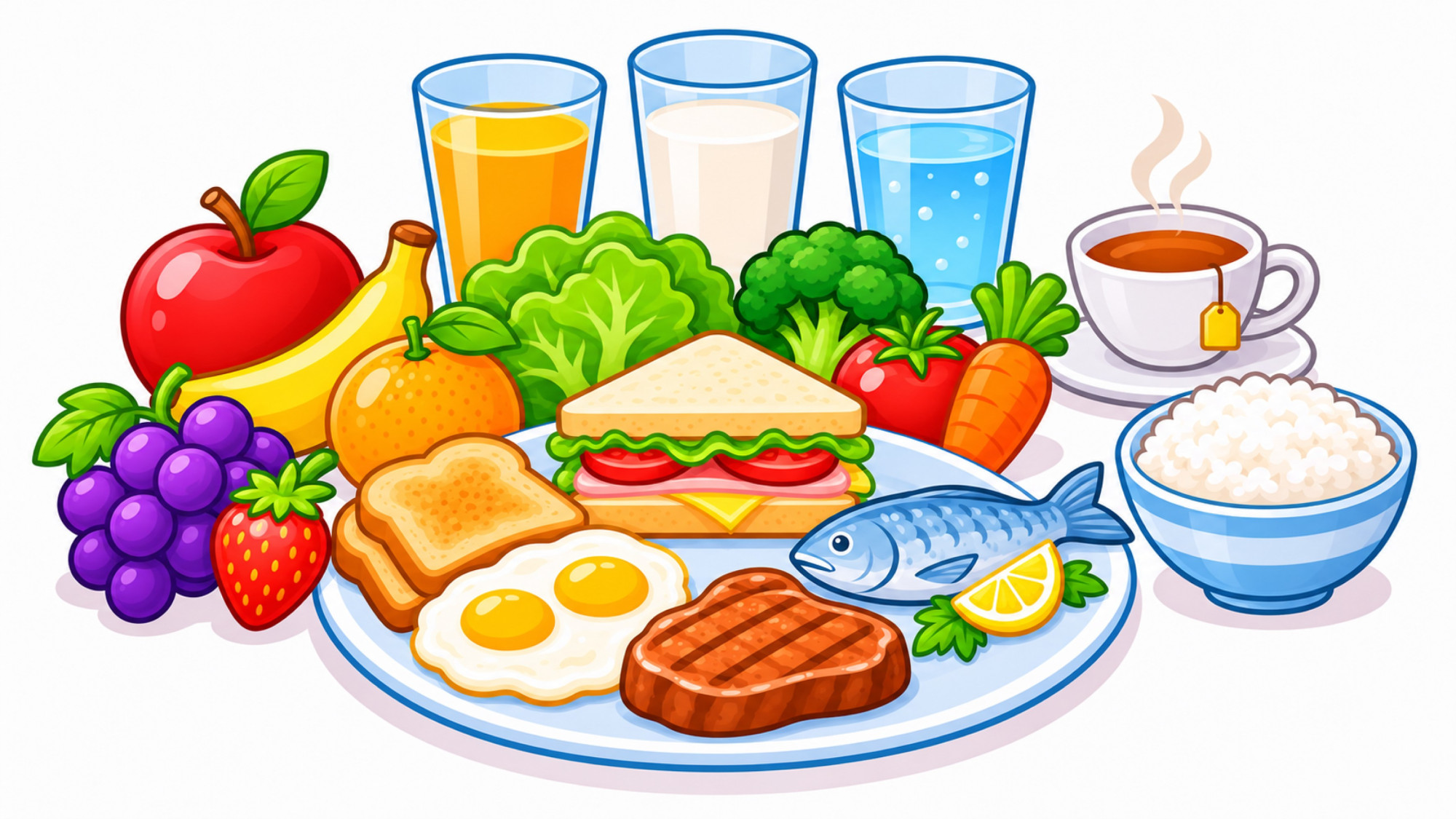
Lesson Goals
Let's Start
We will begin by learning the daily meal names, and common food groups.
 |
I like to eat breakfast every morning. |
 |
Lunch is delicious at this restaurant. |
 |
My birthday dinner is at 7 o'clock. |
 |
Let's have brunch together! |
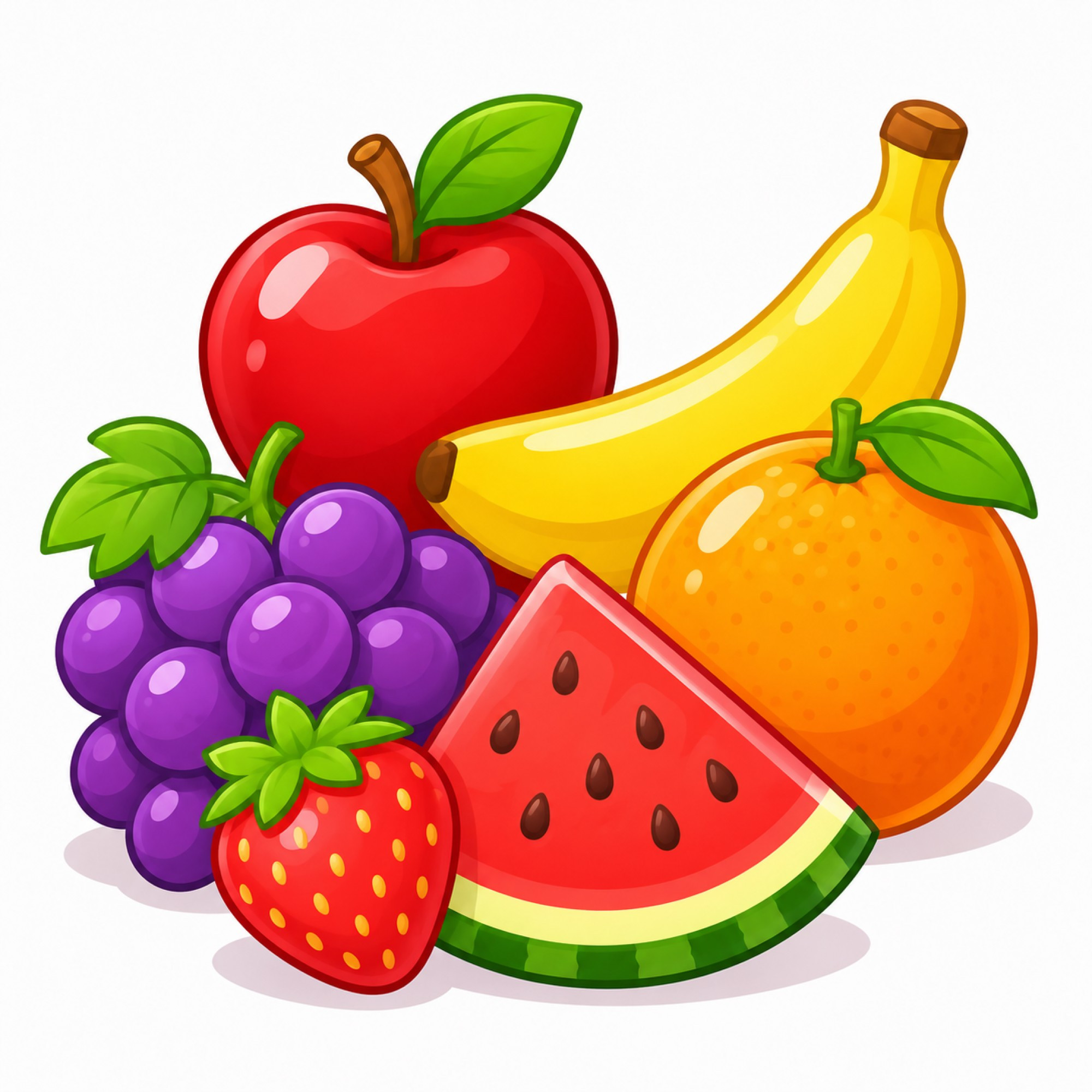 |
I love all kinds of fruit. |
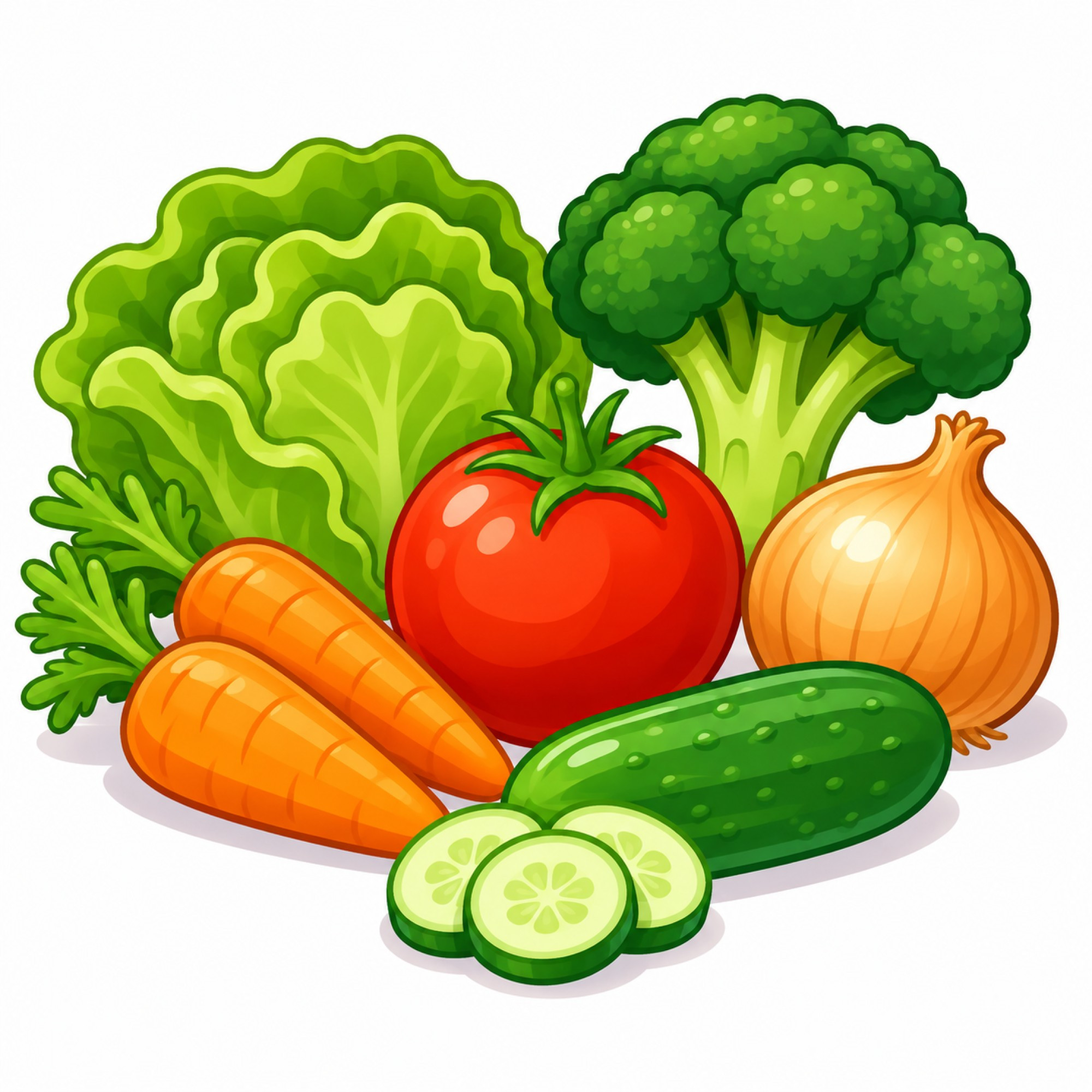 |
Vegetables are very important to eat every day. |
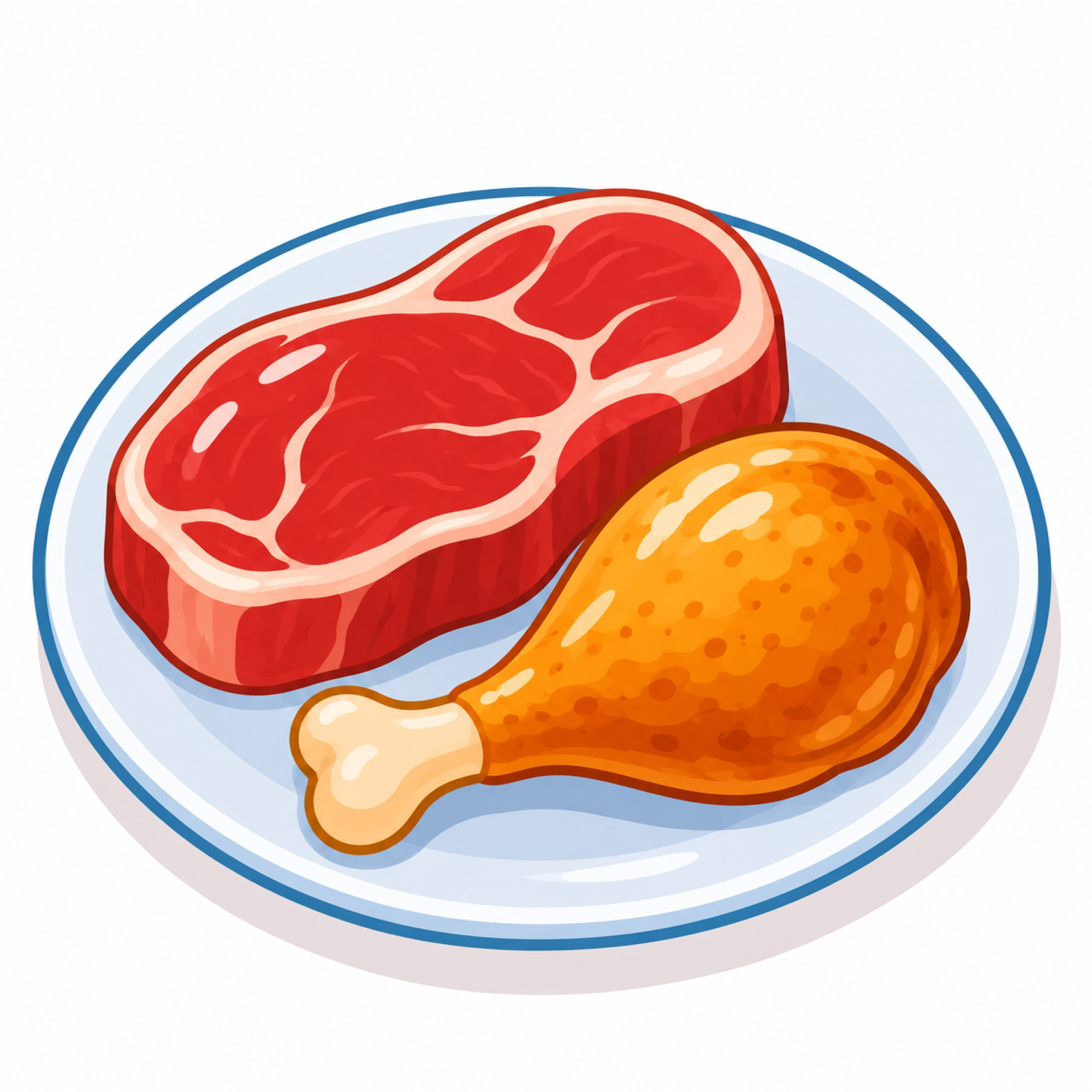 |
My mother went to the supermarket to buy meat for dinner. |
 |
Did you ever eat raw fish? |
 |
James drinks juice at breakfast. |
 |
We eat dinner at five thirty every day. |
Conversation

Jane and Keiko talk about what they like to eat for breakfast, and plan a lunch date.
Jane: I eat breakfast at seven o'clock every morning.
Keiko: That is early! I eat breakfast at seven thirty.
Jane: What do you eat for breakfast?
Keiko: My mother serves a Japanese breakfast every morning. She serves fish and vegetables.
Jane: Very healthy!
Keiko: Yes, but I prefer an American breakfast.
Jane: Do you want to have lunch next Saturday?
Keiko: Sure, let's go to the food court at the mall!
Grammar in this Lesson
Vocabulary
Here, 'eat' means to take food into your body by chewing and swallowing.
In the passage“be able to talk about what we eat and drink”
“I like to eat breakfast every morning.”
-
We eat breakfast at 7 a.m.私たちは午前7時に朝食を食べます。
-
Please eat your vegetables.野菜を食べてください。
Here, 'drink' means to take a liquid into your body by mouth.
In the passage“be able to talk about what we eat and drink”
“James drinks juice at breakfast.”
-
I drink water every morning.私は毎朝水を飲みます。
-
She likes to drink tea after dinner.彼女は夕食の後にお茶を飲むのが好きです。
Here, 'breakfast' means the first meal of the day, usually in the morning.
In the passage“I like to eat breakfast every morning.”
“James drinks juice at breakfast.”
-
I eat breakfast before going to school.私は学校へ行く前に朝食を食べます。
-
Breakfast is my favorite meal.朝食は私の一番好きな食事です。
Here, 'lunch' means the meal you eat around midday.
In the passage“Lunch is delicious at this restaurant.”
“Jane and Keiko talk about what they like to eat for breakfast, and plan a lunch date.”
-
We have lunch at noon.私たちは正午に昼食を食べます。
-
What did you have for lunch?昼食に何を食べましたか?
Here, 'dinner' means the main evening meal.
In the passage“My birthday dinner is at 7 o'clock.”
“My mother went to the supermarket to buy meat for dinner.”
-
We ate dinner together last night.私たちは昨夜一緒に夕食を食べました。
-
Dinner is ready now.夕食の準備ができました。
Here, 'fruit' means sweet natural foods like apples, oranges, and bananas.
In the passage“I love all kinds of fruit.”
-
I like to eat fruit after lunch.私は昼食の後に果物を食べるのが好きです。
-
Apples and bananas are fruits.りんごとバナナは果物です。
Here, 'vegetables' means plant foods like carrots, cabbage, and beans.
In the passage“Vegetables are very important to eat every day.”
“She serves fish and vegetables.”
-
Vegetables are good for your health.野菜は健康によいです。
-
We bought fresh vegetables at the market.私たちは市場で新鮮な野菜を買いました。
Here, 'meat' means the flesh of animals used as food.
In the passage“My mother went to the supermarket to buy meat for dinner.”
-
I do not eat meat on Fridays.私は金曜日には肉を食べません。
-
This soup has chicken meat in it.このスープには鶏肉が入っています。
Here, 'fish' means the animal from the sea or rivers that people eat as food.
In the passage“Did you ever eat raw fish?”
“She serves fish and vegetables.”
-
Fish is healthy and delicious.魚は健康によく、おいしいです。
-
My father cooked fish for dinner.父は夕食に魚を料理しました。
Here, 'brunch' means a meal that is both breakfast and lunch, eaten late morning.
In the passage“Let's have brunch together!”
-
We had brunch at a café after sleeping in on Sunday.日曜日は遅くまで寝ていたので、カフェでブランチを食べました。
-
She invited her friends over for brunch and coffee.彼女は友達をブランチとコーヒーに招待しました。
Quizzes
You Finished This Series
This is the last lesson in English Basics.
Back to the SeriesUp Next
Previous lesson: Feelings
What did you think of this lesson?
Ask a question or share a thought — I read every one.