
Lesson Goals
- say how you feel in a simple sentence
- inquire about how another person feels
Let's Start
We all feel a lot of different feelings every day. Here are some common feelings.
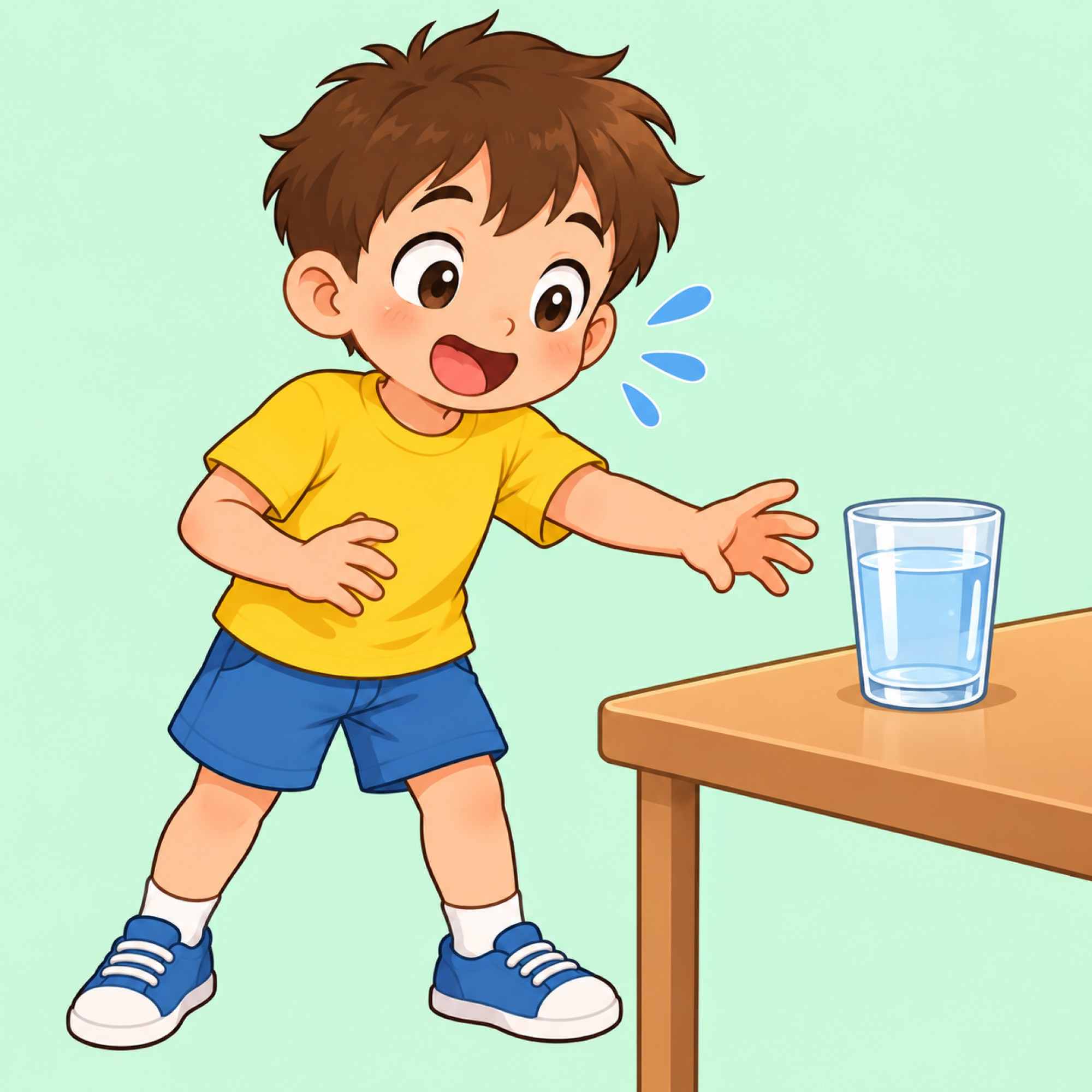 |
I am thirsty. |
 |
I am happy. |
 |
I am angry. |
 |
I am sleepy. |
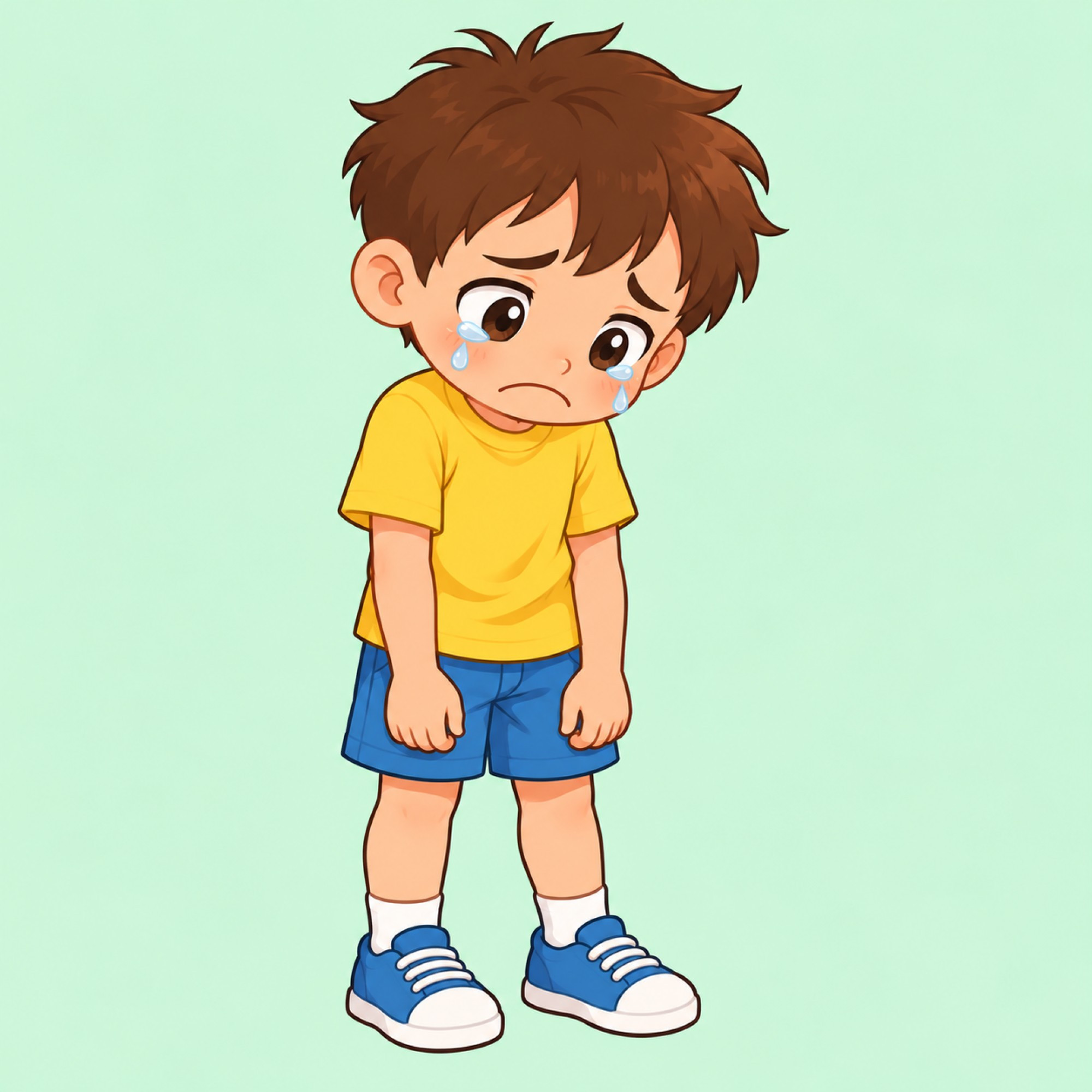 |
I am sad. |
 |
I am nervous. |
 |
I am excited. |
 |
I am tired. |
 |
I am hungry. |
 |
I am suprised. |
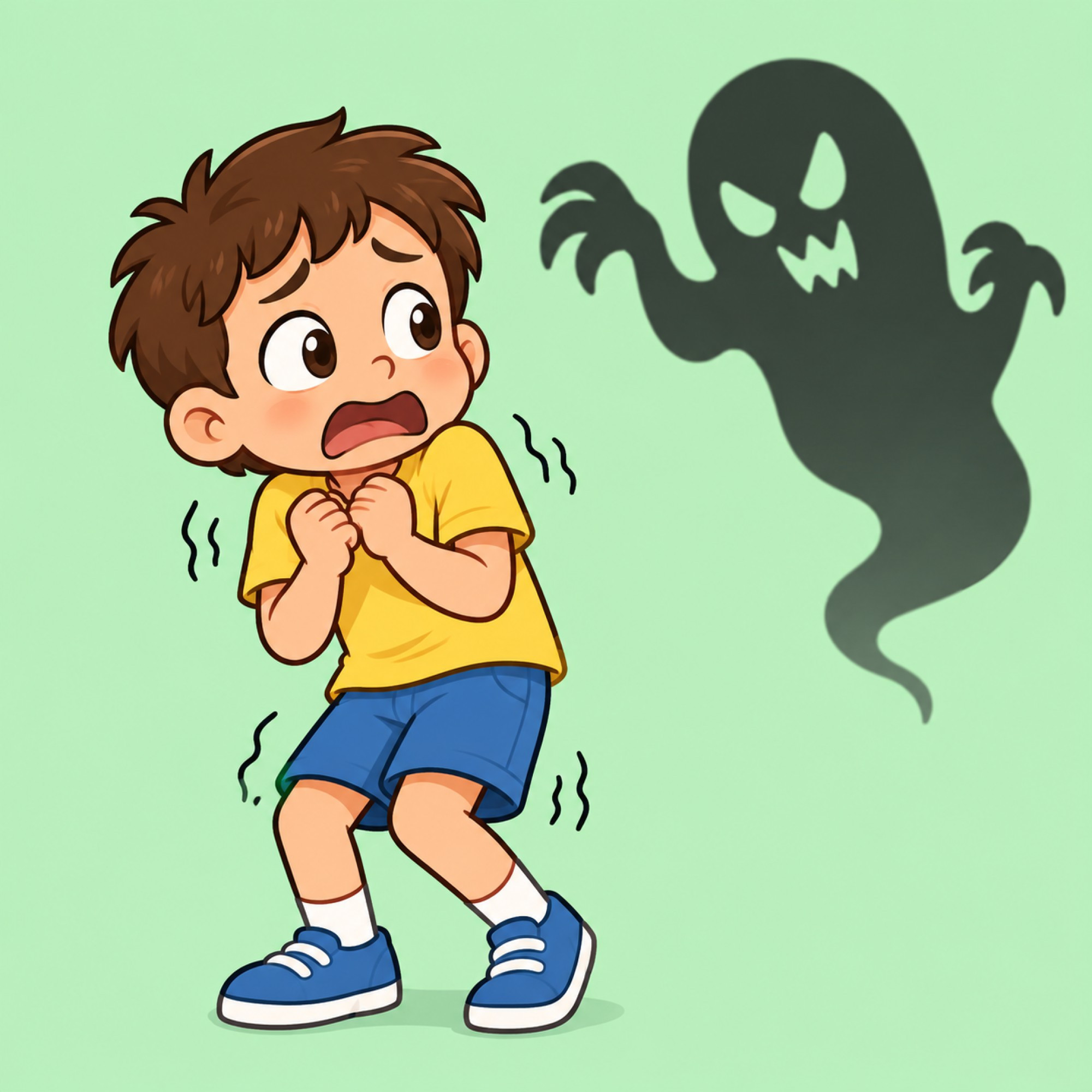 |
I am scared. |
Conversation
Jane and Keiko are in the high school cafeteria having lunch together.

Jane: I am so hungry! I hope lunch is good today.
Keiko: I'm happy that they changed the menu. How do you feel about the new menu.
Jane: Oh, I'm excited to try all the new choices.
Jane: We have a test after lunch. I am nervous about it.
Keiko: Don't worry Jane, you'll do just fine.
Jane: I did not sleep well last night. I feel tired.
Keiko: Me too. I think we will feel better after eating lunch.
このレッスンの文法
be や feel などの linking verb の後に adjective を置いて、主語の状態や気持ちを表します。
“I am thirsty.”
“I feel tired.”
be動詞は主語と adjective をつなぎ、だれがどんな気持ちかを表します。
“I am happy.”
“I am excited.”
Contractions は I'm, you'll のような短縮形です。会話でよく使われ、自然な言い方になります。
“I'm happy that they changed the menu.”
“Don't worry Jane, you'll do just fine.”
単語
ここでは 'scared' は、こわくておびえている気持ちです。
本文より“I am scared.”
-
The little boy was scared of the dark.その小さな男の子は暗闇を怖がっていました。
-
She felt scared when she heard a strange noise.彼女は変な音を聞いて怖くなりました。
ここでは 'hungry' は、お腹がすいて食べたい状態です。
本文より“I am hungry.”
“Jane: I am so hungry!”
-
I am hungry after playing outside.外で遊んだ後でお腹がすきました。
-
The cat looked hungry and wanted food.その猫はお腹を空かせていて、食べ物を欲しがっていました。
ここでは 'tired' は、疲れて休みたい状態です。
本文より“I am tired.”
“I feel tired.”
-
I am tired after a long day at school.学校で長い一日を過ごして疲れました。
-
She felt tired and went to bed early.彼女は疲れていたので、早く寝ました。
ここでは 'excited' は、楽しみでわくわくしている気持ちです。
本文より“I am excited.”
“Jane: Oh, I'm excited to try all the new choices.”
-
The children were excited about the trip.子どもたちはその旅行にわくわくしていました。
-
He felt excited before his first game.彼は初めての試合の前にわくわくしていました。
ここでは 'nervous' は、緊張して不安な気持ちです。
本文より“I am nervous.”
“I am nervous about it.”
-
She was nervous before the test.彼女はテストの前に緊張していました。
-
He felt nervous when speaking in front of the class.彼はクラスの前で話すときに緊張しました。
ここでは 'sad' は、悲しくて元気がない気持ちです。
本文より“I am sad.”
-
She felt sad when her friend moved away.彼女は友だちが引っ越して悲しくなりました。
-
The movie made him sad.その映画は彼を悲しい気持ちにさせました。
ここでは 'sleepy' は、眠くて寝たい状態です。
本文より“I am sleepy.”
-
I feel sleepy after lunch.昼食の後は眠くなります。
-
The baby was sleepy and closed her eyes.赤ちゃんは眠くなって目を閉じました。
ここでは 'angry' は、腹が立っている気持ちです。
本文より“I am angry.”
-
He was angry because someone broke his toy.誰かが彼のおもちゃを壊したので、彼は怒っていました。
-
She sounded angry on the phone.彼女は電話で怒っているように聞こえました。
ここでは 'happy' は、うれしくて気分がよいことです。
本文より“I am happy.”
“Keiko: I'm happy that they changed the menu.”
-
I am happy to see my family.家族に会えてうれしいです。
-
The children were happy at the park.子どもたちは公園でうれしそうでした。
ここでは 'thirsty' は、のどが渇いて飲みたい状態です。
本文より“I am thirsty.”
-
I am thirsty after running.走った後でのどが渇きました。
-
The hikers were thirsty and needed water.ハイカーたちはのどが渇いていて、水を必要としていました。
ここでは 'feelings' は、うれしい・悲しいなどの感情です。
本文より“We all feel a lot of different feelings every day.”
“Here are some common feelings.”
-
She talked openly about her feelings.彼女は自分の感情について率直に話した。
-
It's important to respect other people's feelings.他人の気持ちを尊重することは大切です。
ここでは 'surprised' は、思いがけないことに驚いた気持ちです。
本文より“I am suprised.”
-
I was suprised by the news.その知らせに私は驚いた。
-
She looked suprised when she saw the gift.彼女はプレゼントを見たとき驚いた様子だった。
このレッスンはいかがでしたか?
ご質問やご感想をお気軽にどうぞ。すべて目を通しています。