We took off from Haneda on a Tuesday morning in June bound for Kyushu, one of the four large islands that comprise Japan. Kyushu is southwest of Tokyo, and roughly 190 km away from the shores of South Korea.
When we make our biannual trip to Japan, we normally plan a trip inside Japan. Kyushu, more specifically Miyazaki, was our planned destination on this trip. Toyoko, my better half, had been there many years ago in her youth, so she wanted to revisit Miyazaki and rekindle some memories. I'd never been to this area of Kyushu, so I was on board without any arm twisting.
We landed at Kagoshima airport a couple of hours or so later, greeted by a steady rain. Oh well, sometimes the weather doesn't cooperate with our travel plans. Such is life. Nonetheless, there is something special about Japan in the rain. It seems natural somehow.
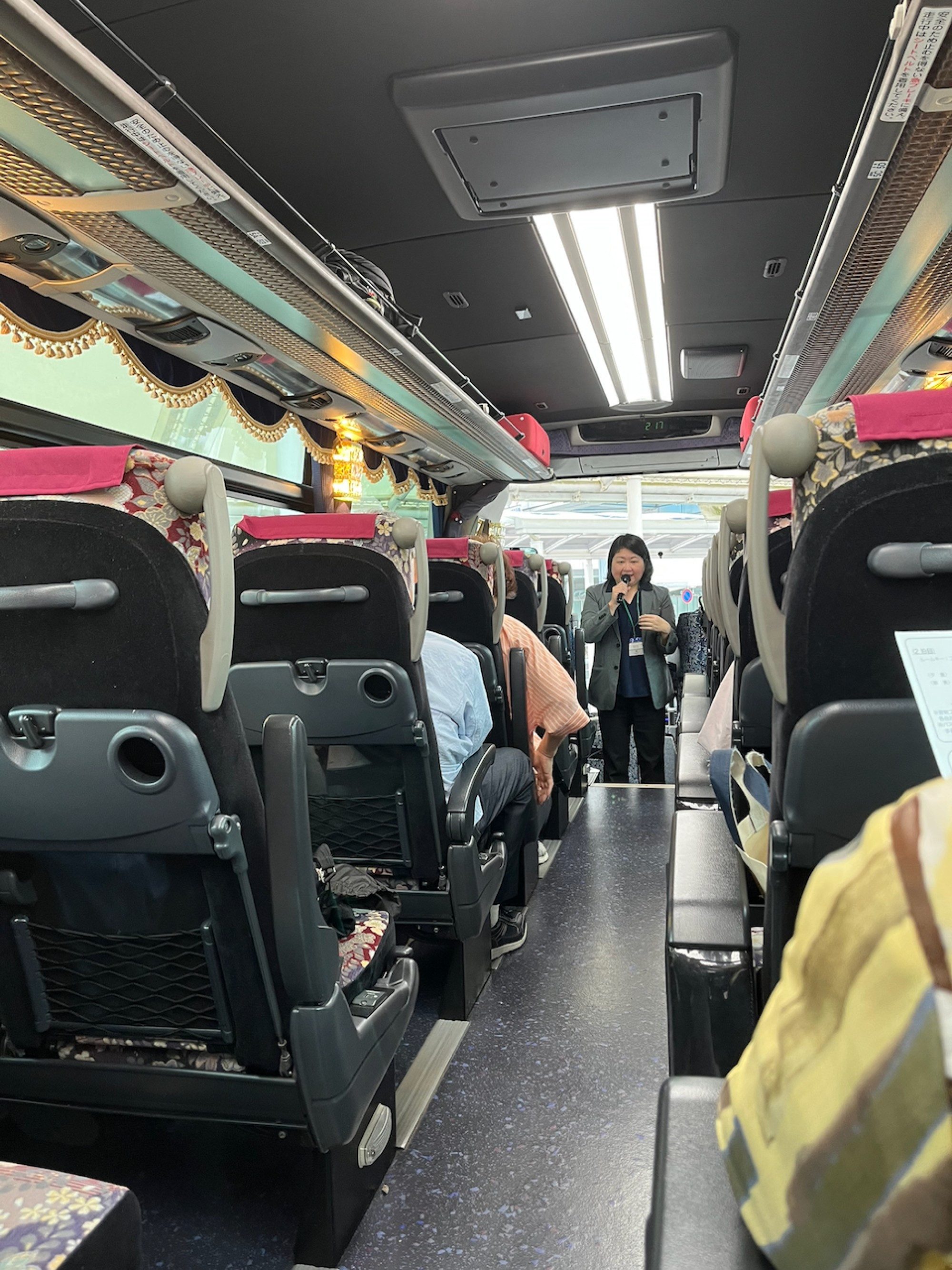
Our tour bus was waiting, along with our tour guide. I didn't catch her name, so let's call her Jane. Jane was a very knowledgeable person with a tone of speaking that I believe is known as captivator cadence, where the speaker uses high starter-tones to grab a crowd's attention, lowers their pitch to deliver the factual information, and hooks upward again to deliver another point and maintain it while at the same time keeping folks' attention. That high pitch of hers perked my ears up even if I could not catch what she was saying. As we boarded the bus and headed to our first destination, Jane regurgitated some interesting facts about each area we visited, only some of which I could discern with my feeble Japanese skills.

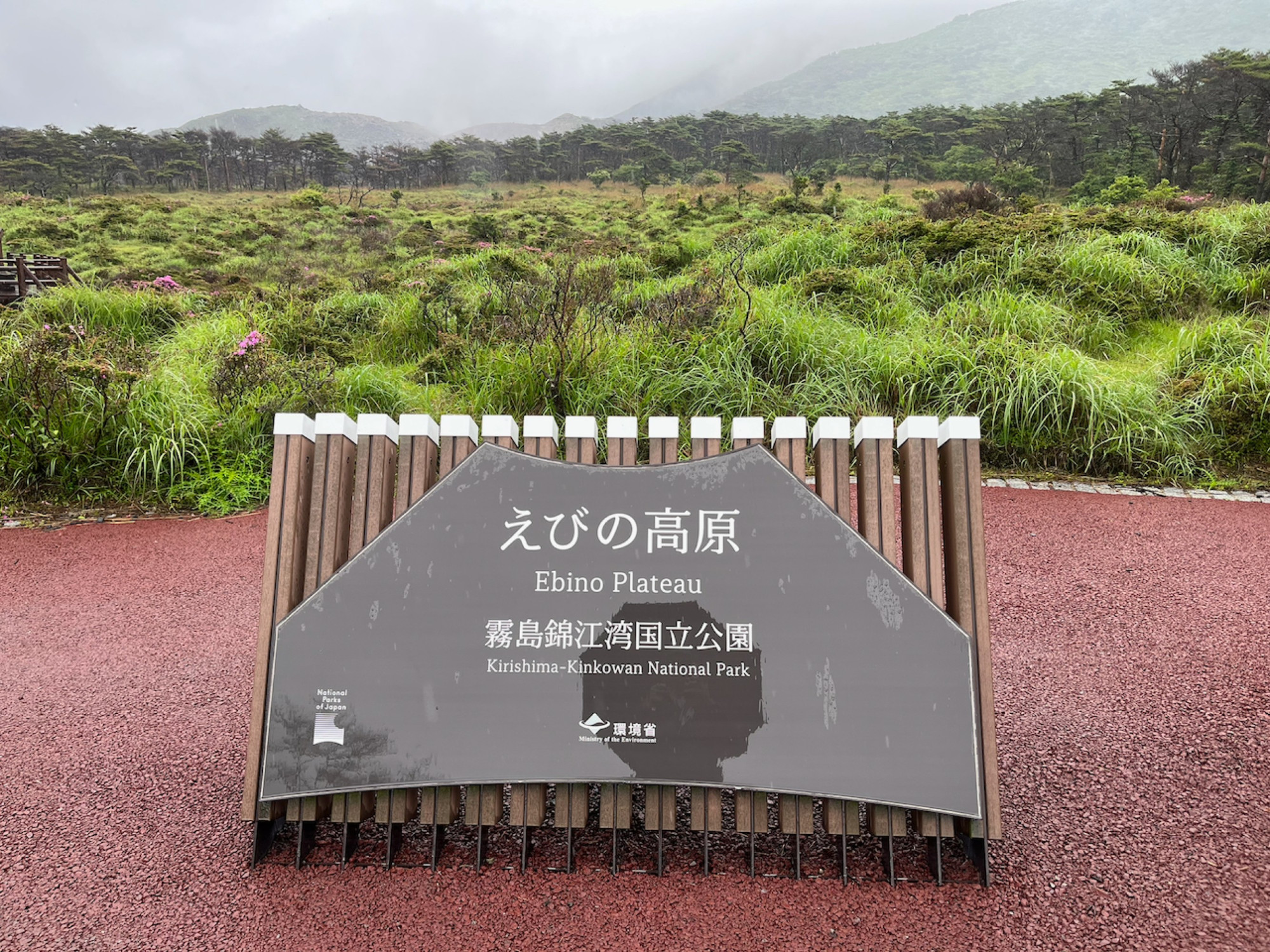
Obino Plateau
On this rainy day our first stop was the Obino Plateau, a 1,200-meter-high volcanic basin situated in Kirishima-Kinkowan National Park. Obino Plateau straddles the border between Miyazaki and Kagoshima prefectures. It is well known for its crystal-clear lakes, fumaroles that emit steam, and scenic hiking trails. You can see the Shinmoedake, an active volcano, jutting into the sky in the distance. Not active that day, fortunately!
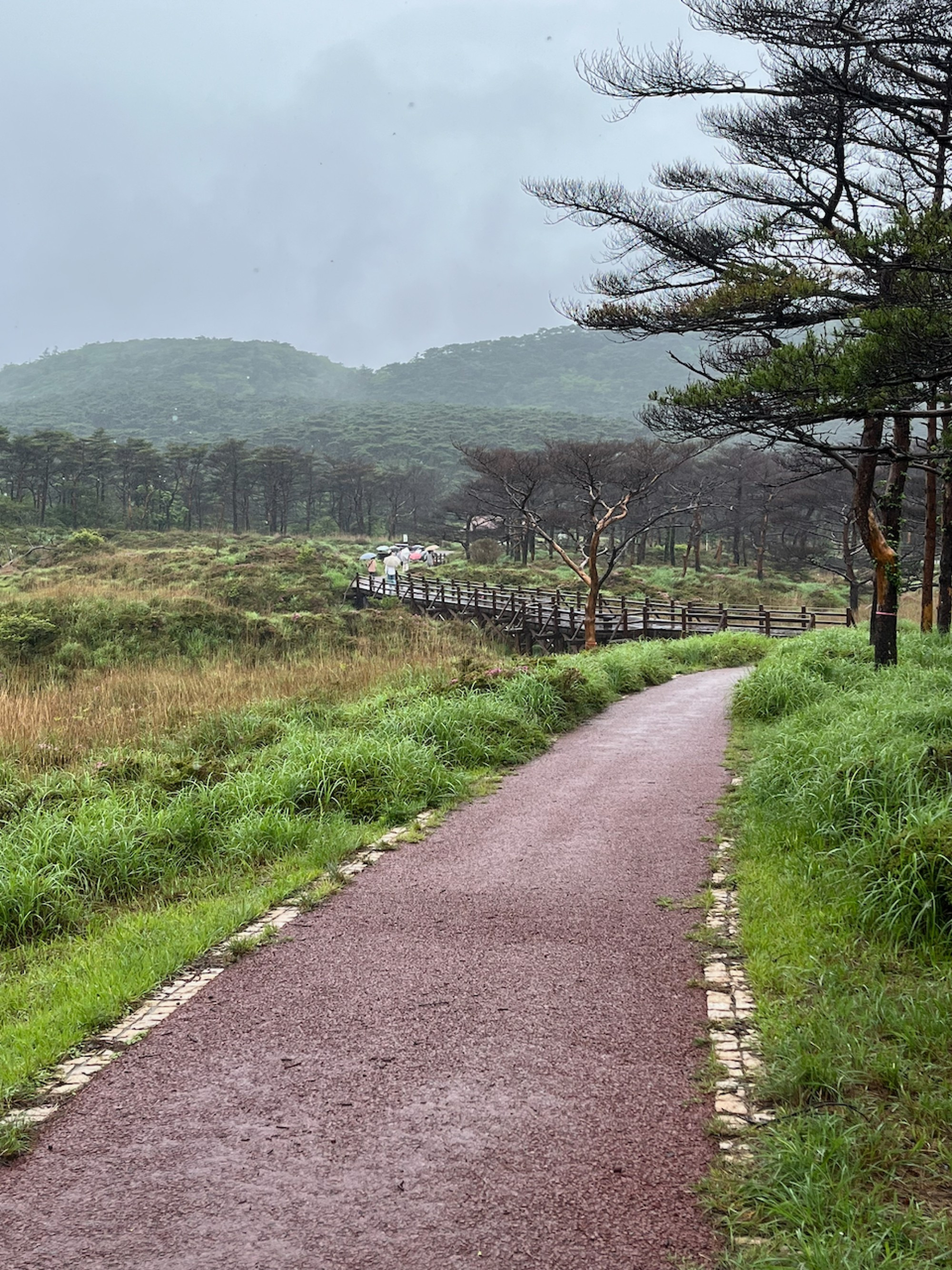
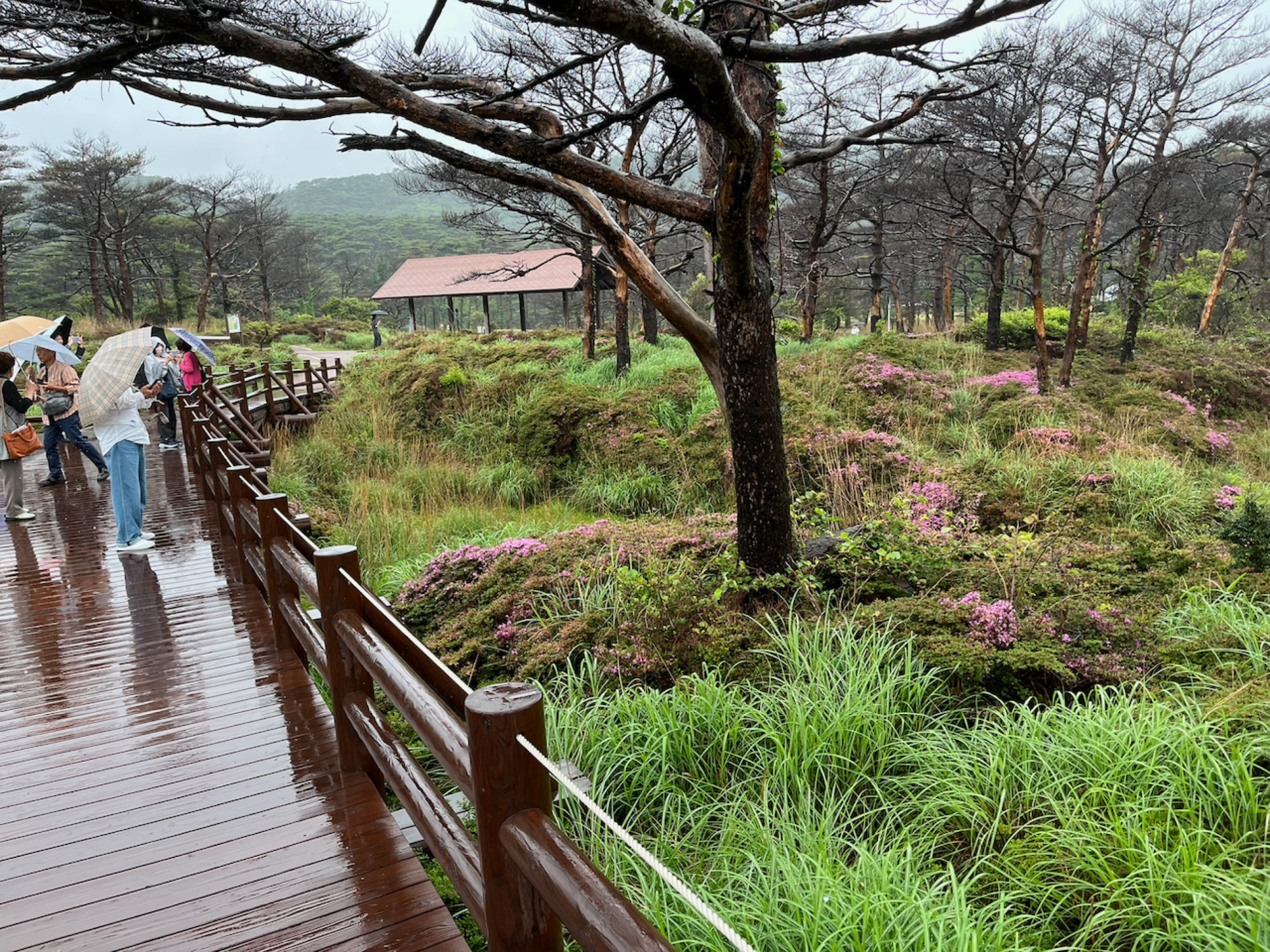
With umbrellas in hand, we proceeded to do a little mini-hike on a path that was pretty much parallel with Route 1. There we encountered fields of azalea and other bushes that went on endlessly into the distance. The pink of the azaleas contrasted nicely with the rainy fog that hovered over us. We did not go too far on this hike because of the rain, and we had a tour schedule to deal with too, so off we went back to the bus.
Miyazaki City 1st Night
It was getting towards mid-afternoon so we were off to Miyazaki City, and to a dinner spot on the edge of the harbor. The ride from Obino took over an hour, but we had a lot of nice scenery to look at during the ride.
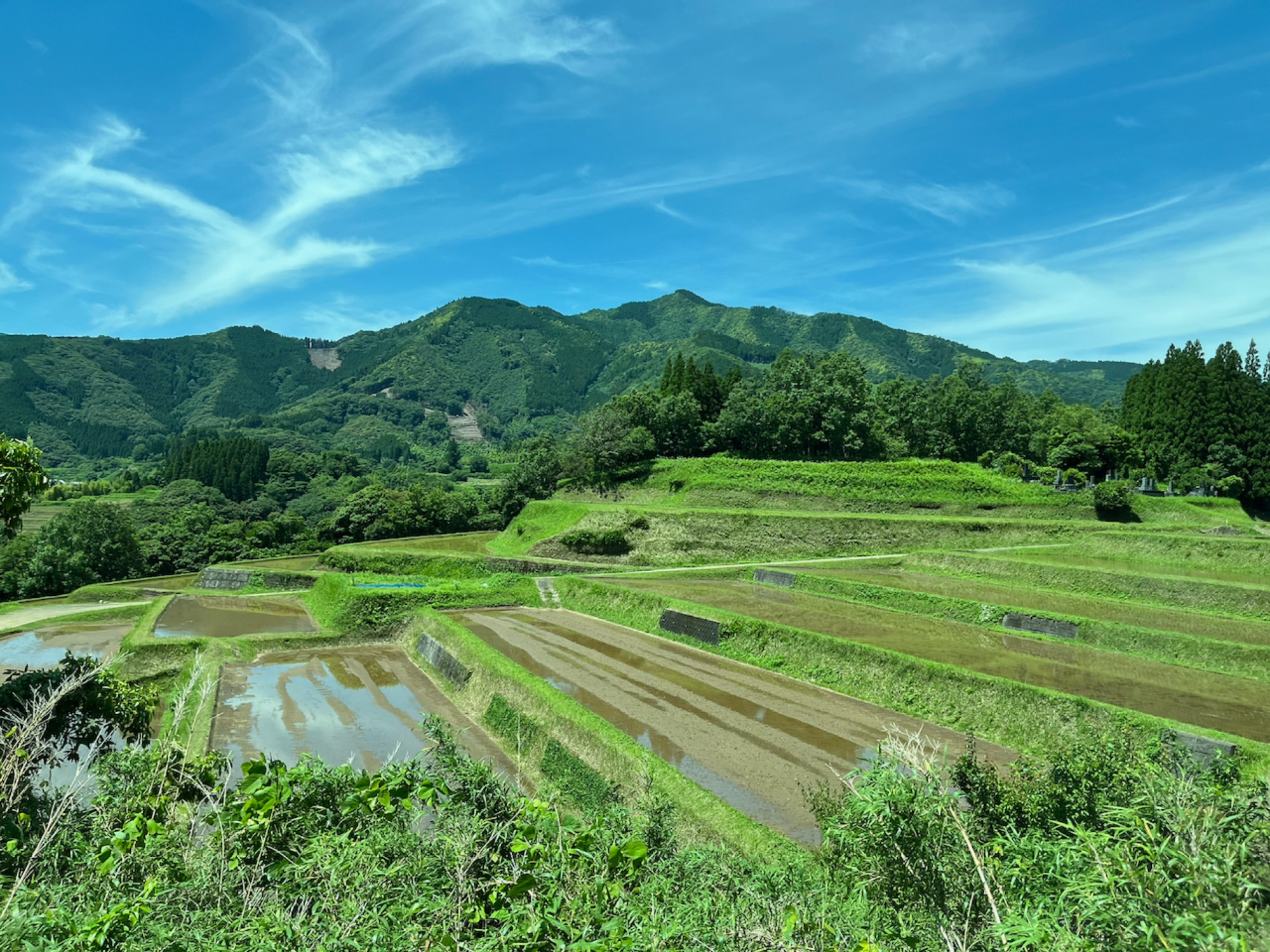
Our sushi dinner was uninspiring, but was a welcome rest stop. After dinner the bus took us to our hotel. It was getting dark already, and still raining, so we checked in and took the evening off to rest up for the big day tomorrow.
Takachiho Gorge
Our bus route the following morning was north on the main highway E10 until we reached Nobeoka, at which point we veered west towards Takachiho. It was quite a drive, but we got there for an early lunch at the Kagurayado, a complex of restaurant, gift shop, and dance show venue. The Yoidono Mansion restaurant is housed in a farmhouse over 260 years old. Traditional dance shows are held at the yodoyashiki thatched roof building next door.
This lunch was the best meal of the trip perhaps, with an assortment of dishes that was sure to include something that even the pickiest eater would like. With full tummies, we made our way towards the path leading to Takachiho Gorge.
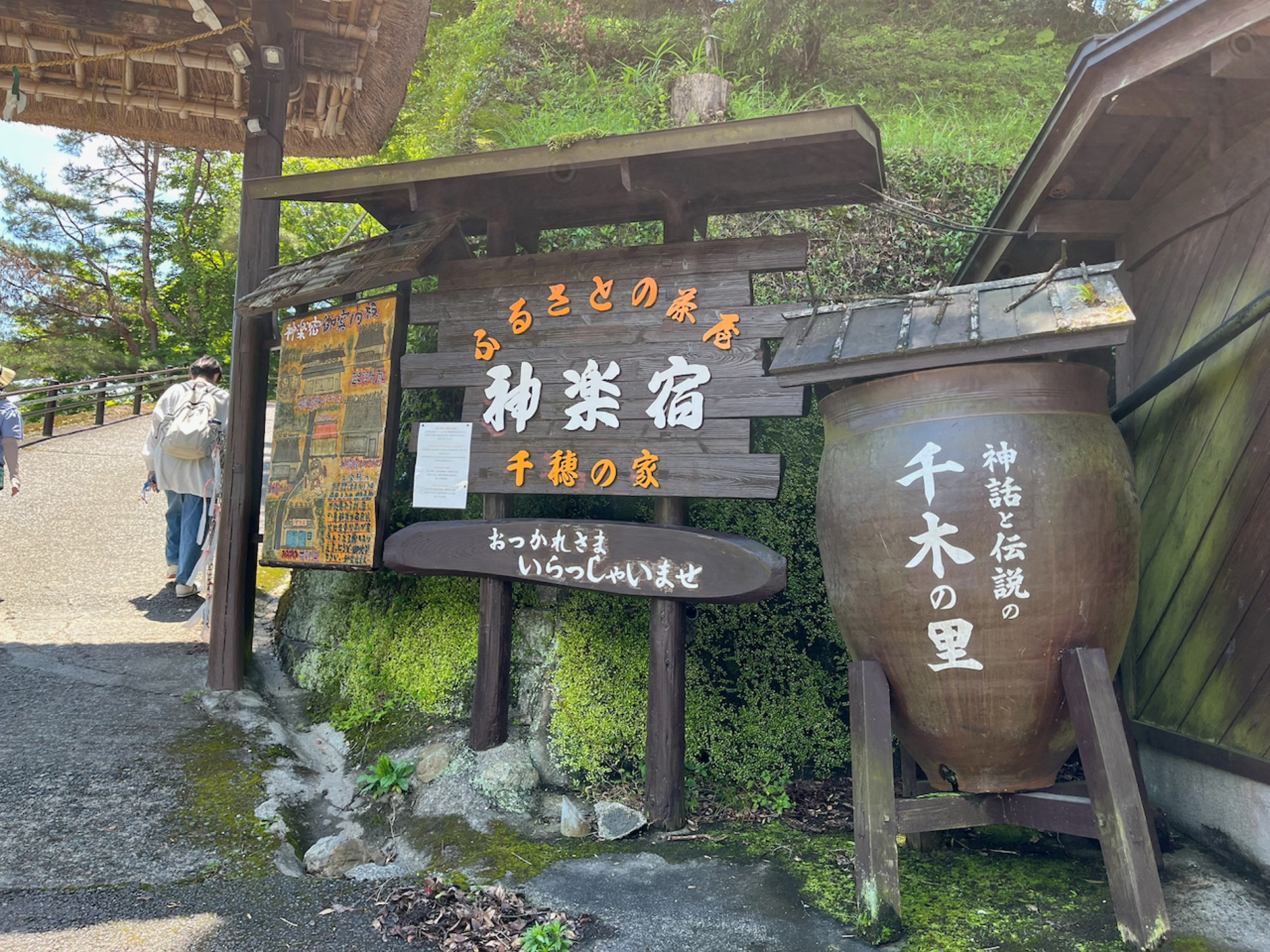
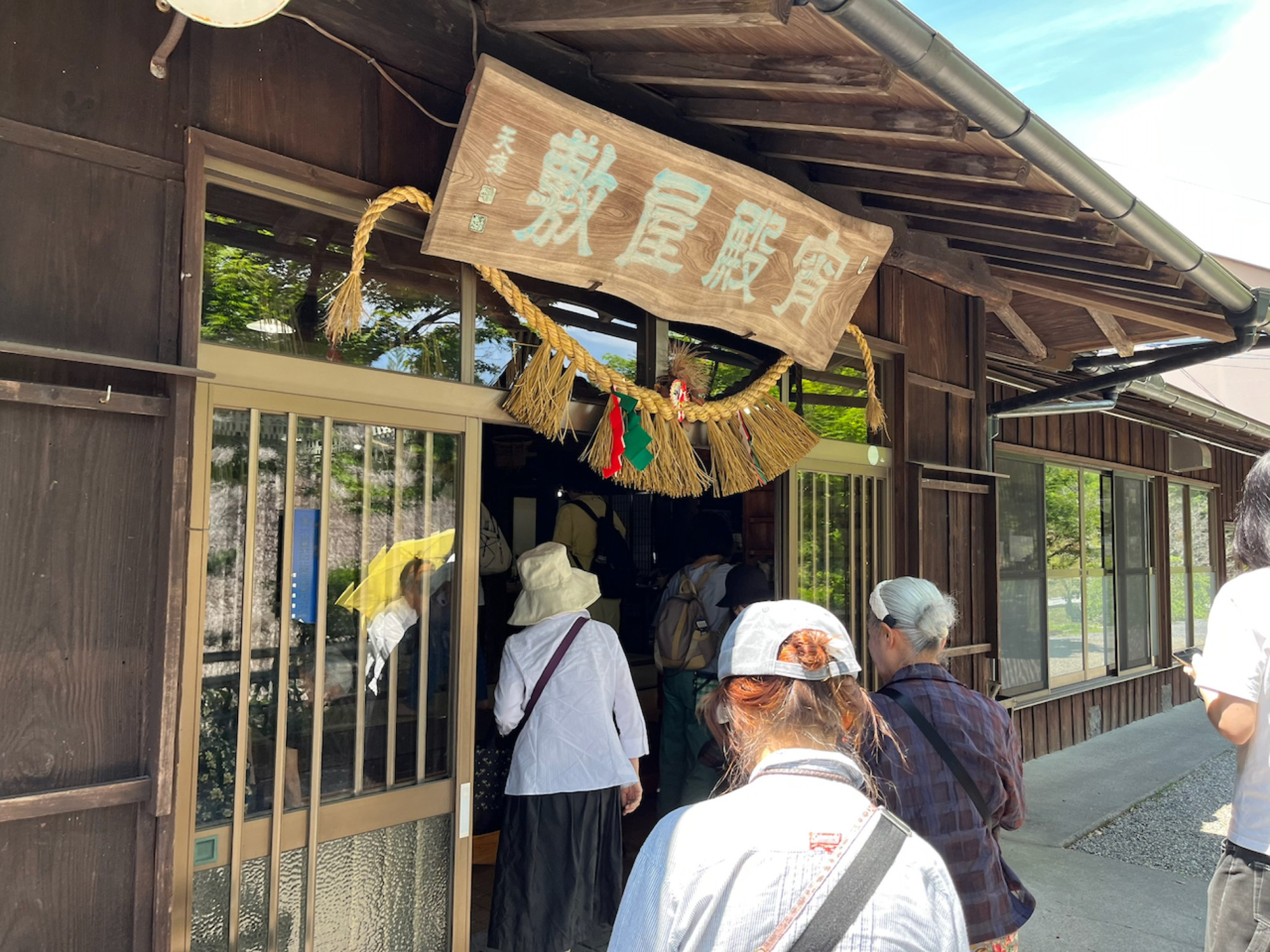
The weather had cleared up nicely from the previous day, and frankly it became a bit warm and humid, especially while hiking. Not too bad, but if you are not used to it, it's best to consume extra water to stay hydrated.
The path to the gorge followed the snaking Gokase River through the valley created a millennia ago. We were not the only tour group there of course, but I did not think it was too crowded to be annoying.
The gorge itself features Manai Falls, a picturesque waterfall spilling into the turquoise blue Gokase River. At the time I told my wife that this is one of the top five most beautiful places I have visited in Japan, and I stand by that. This tour was turning into a memorable experience in real time.
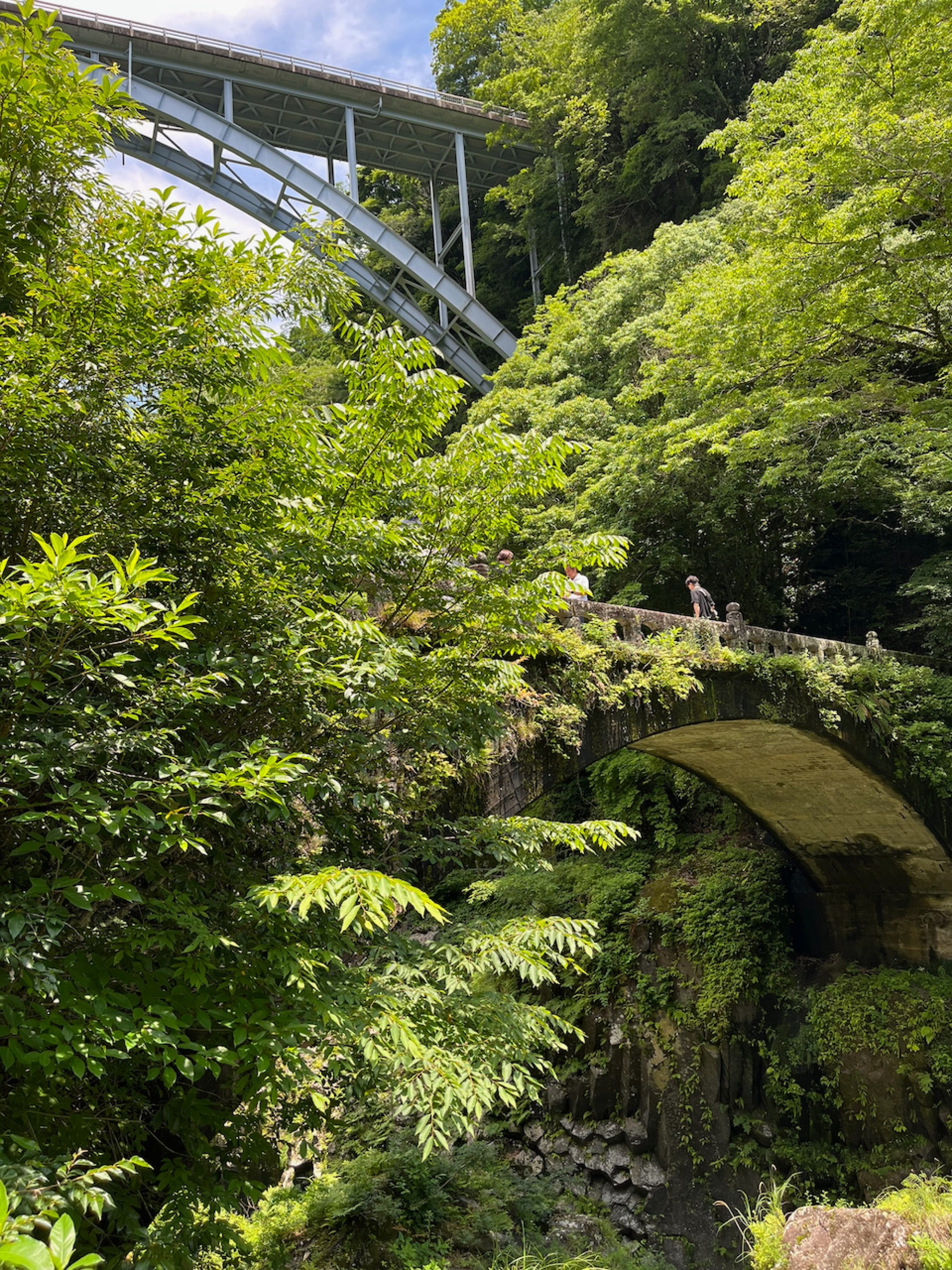
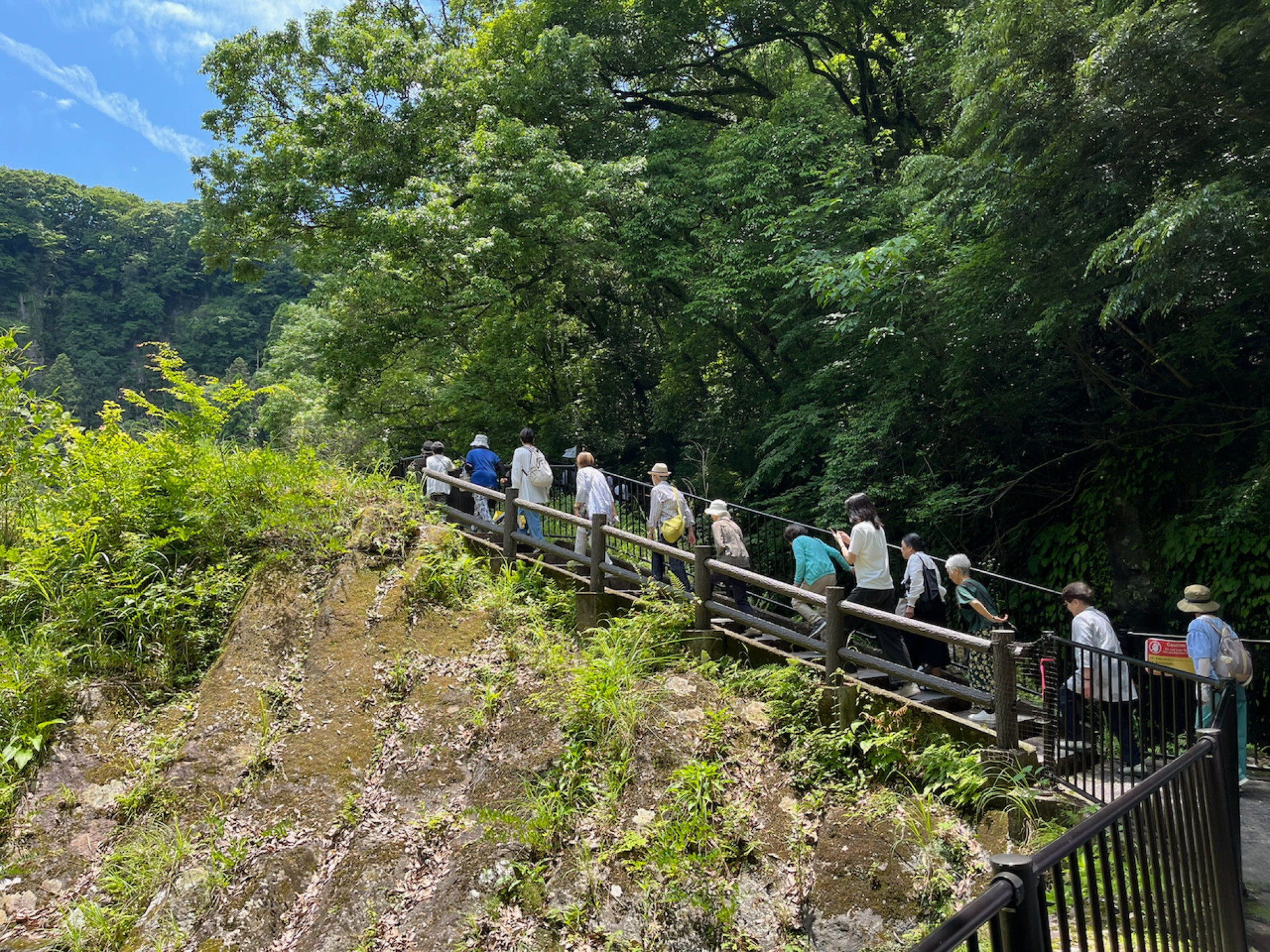
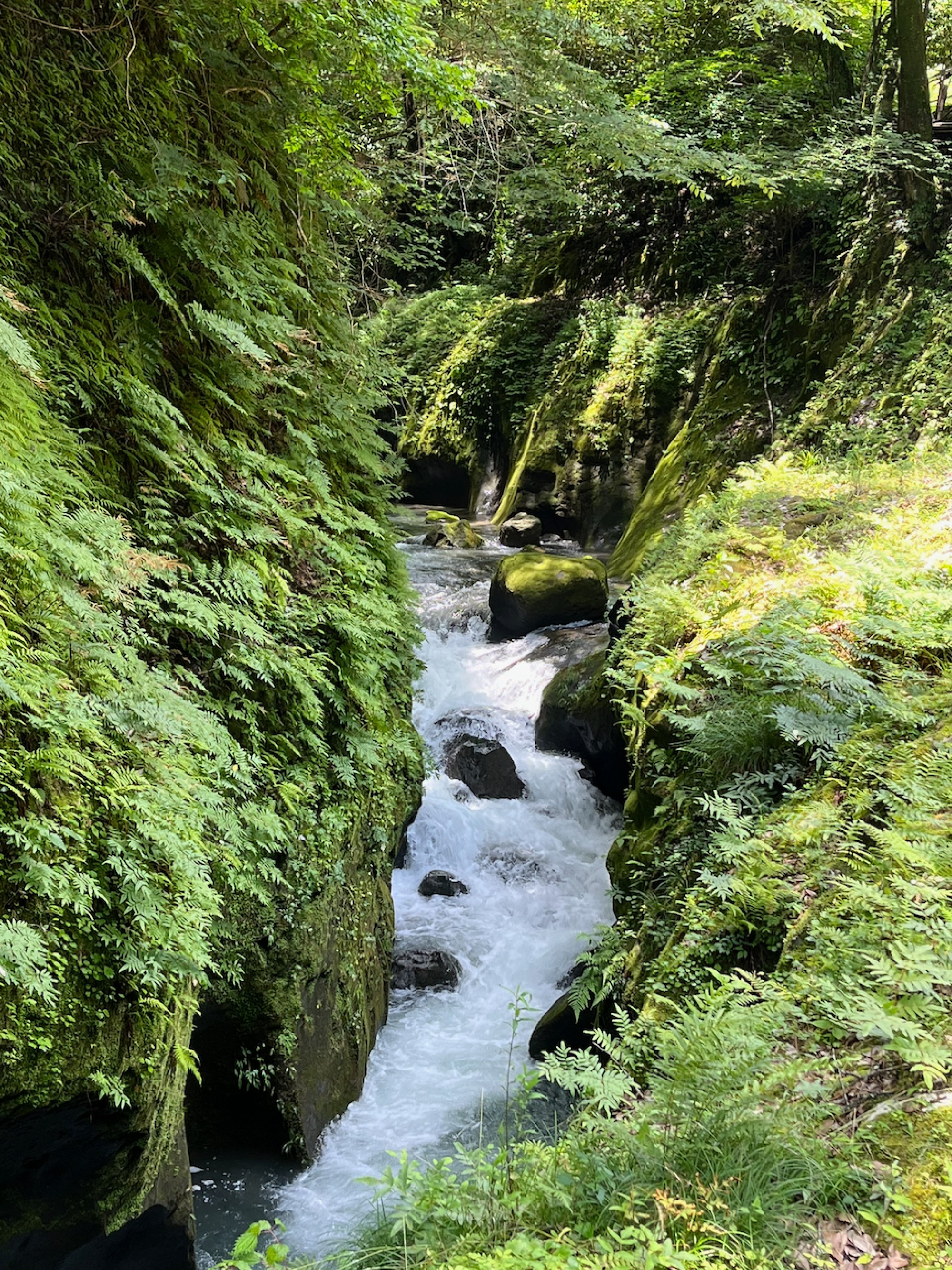
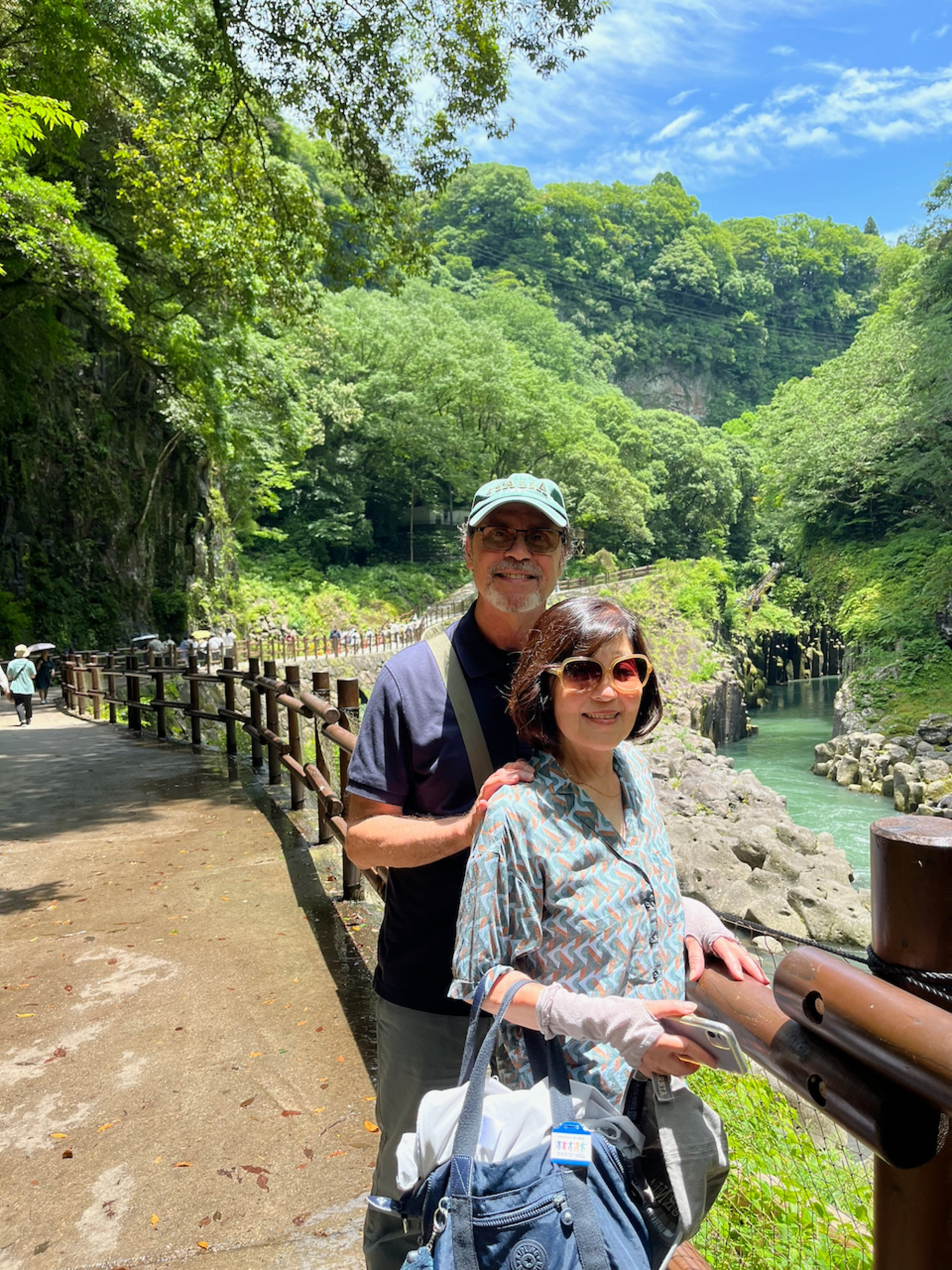
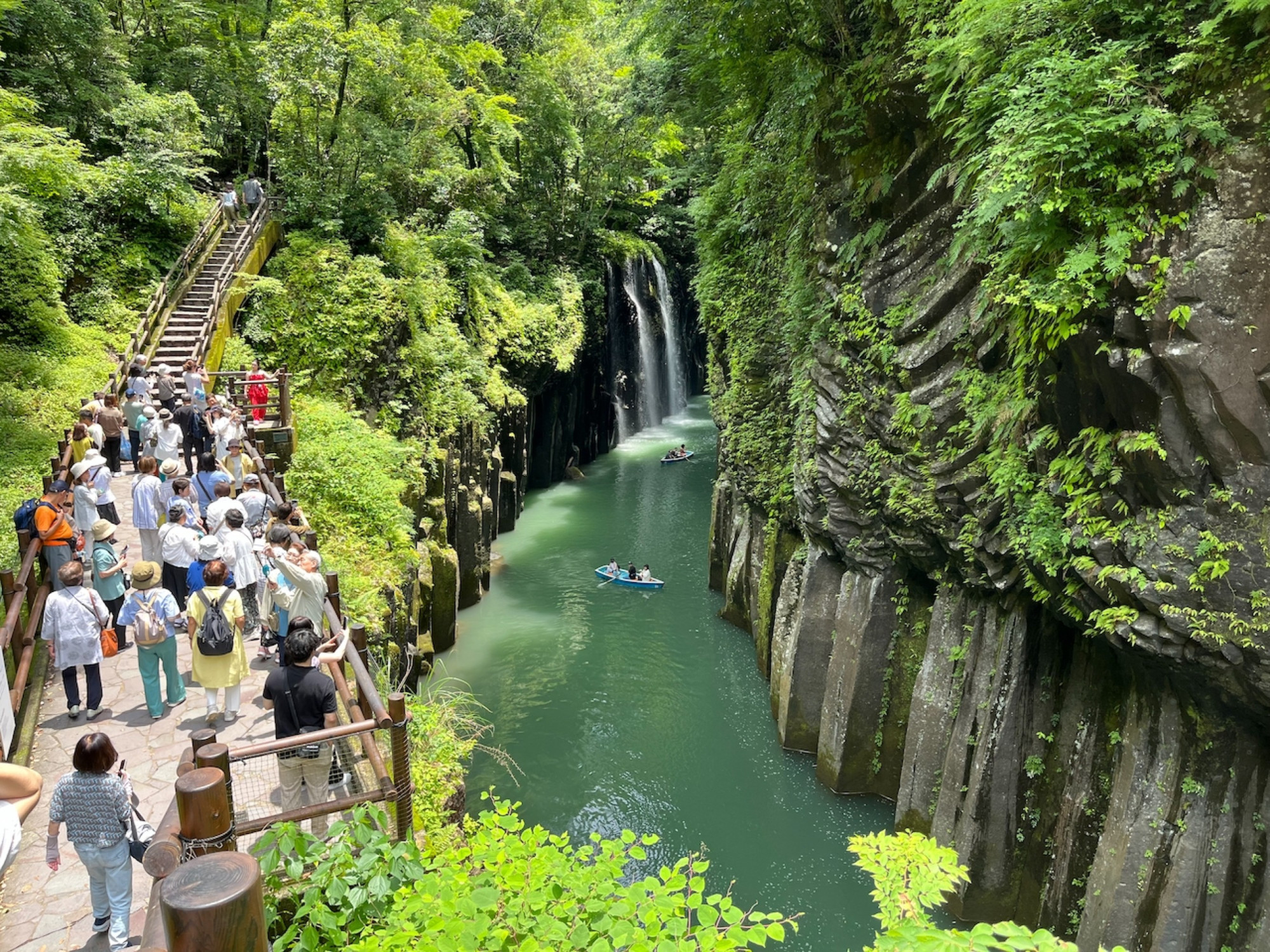
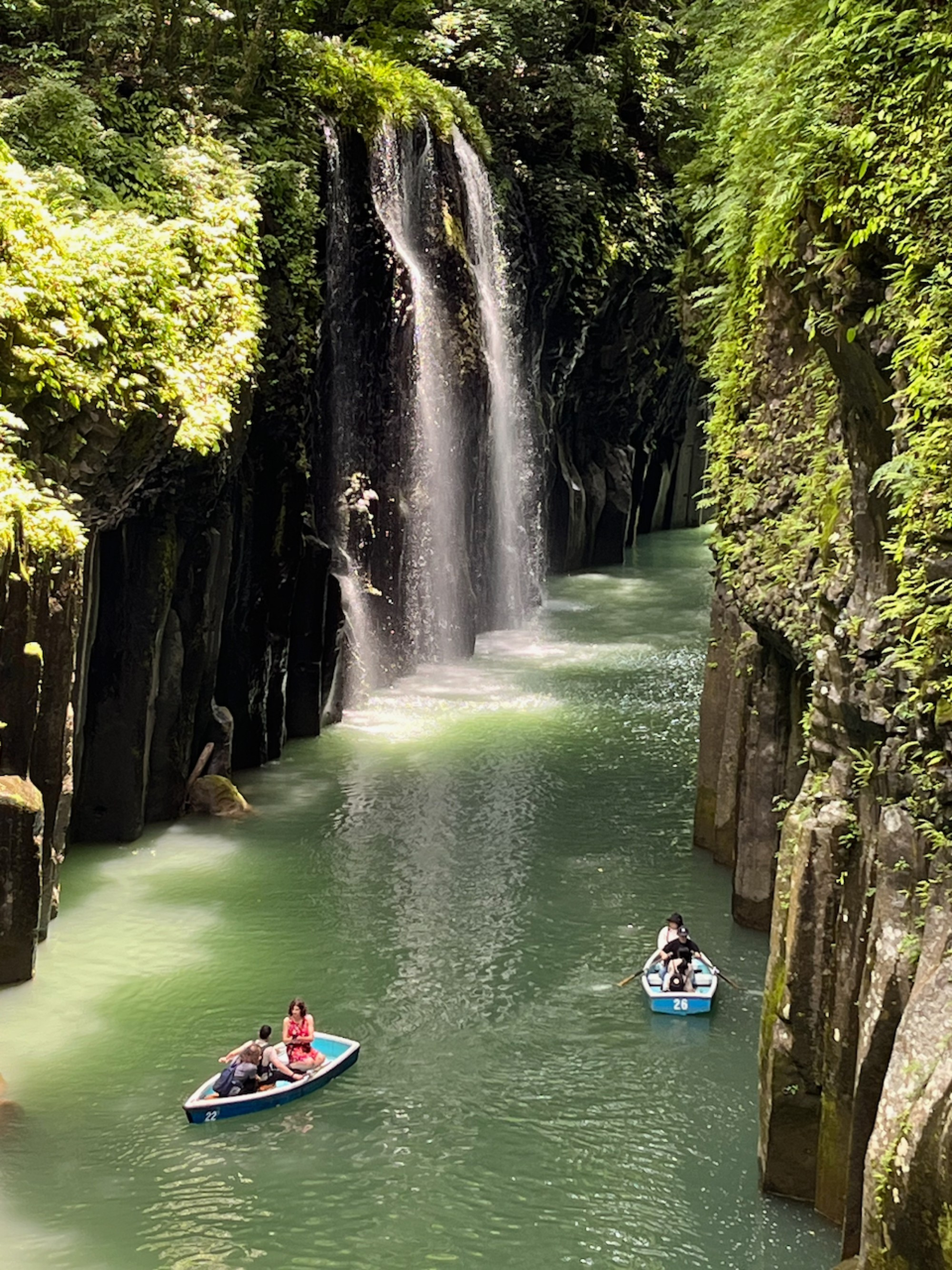
Note, this was the extent of our exposure to Takachiho. What I found out later was that Takachiho is known as the "Village of Myths," and most famously the myth of the Shinto sun goddess Amaterasu. I'm not going to go into detail about it here, so ask your favorite AI about it and I'm sure you'll get the full story.
Tougenkyo Garden
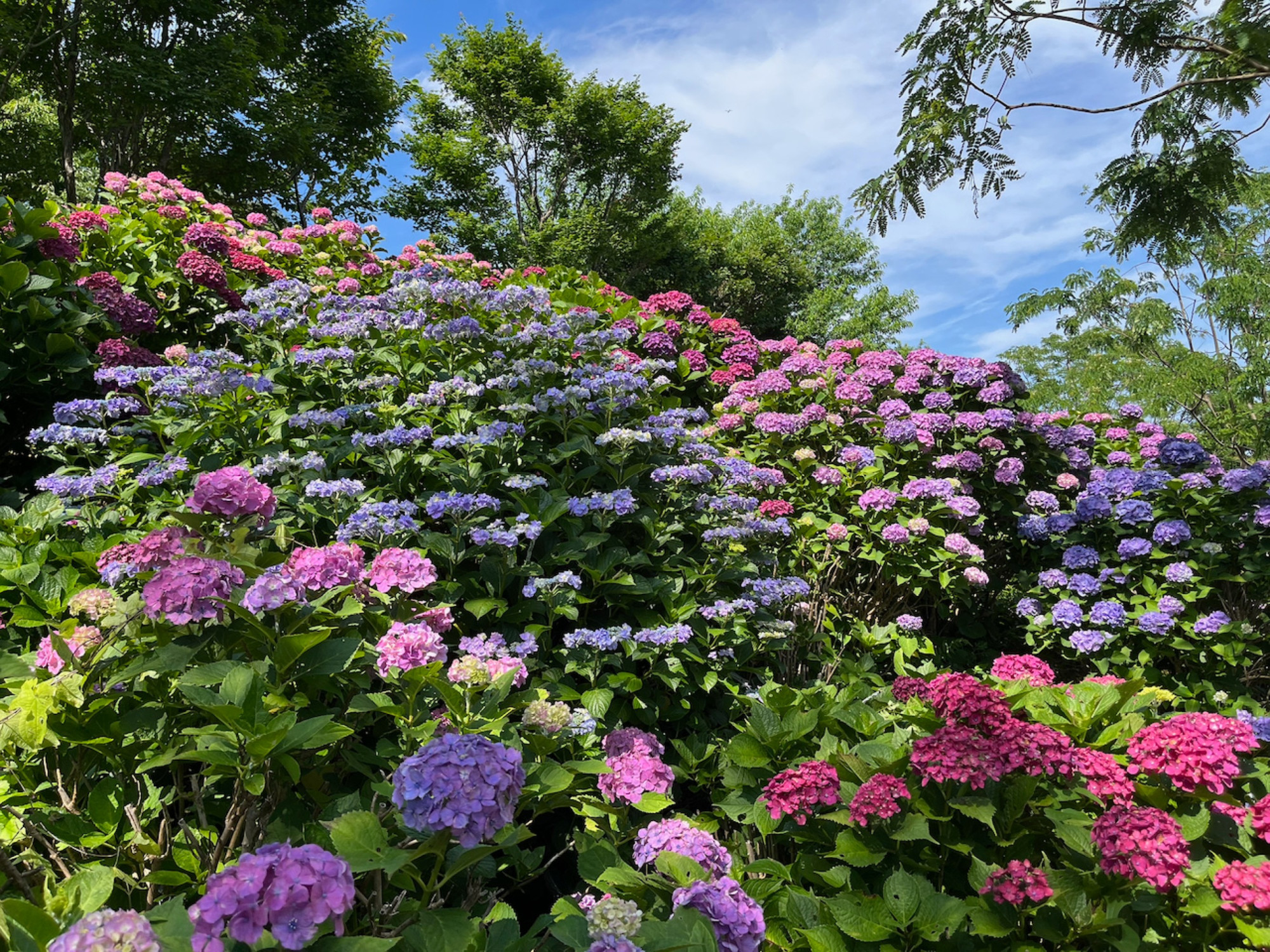
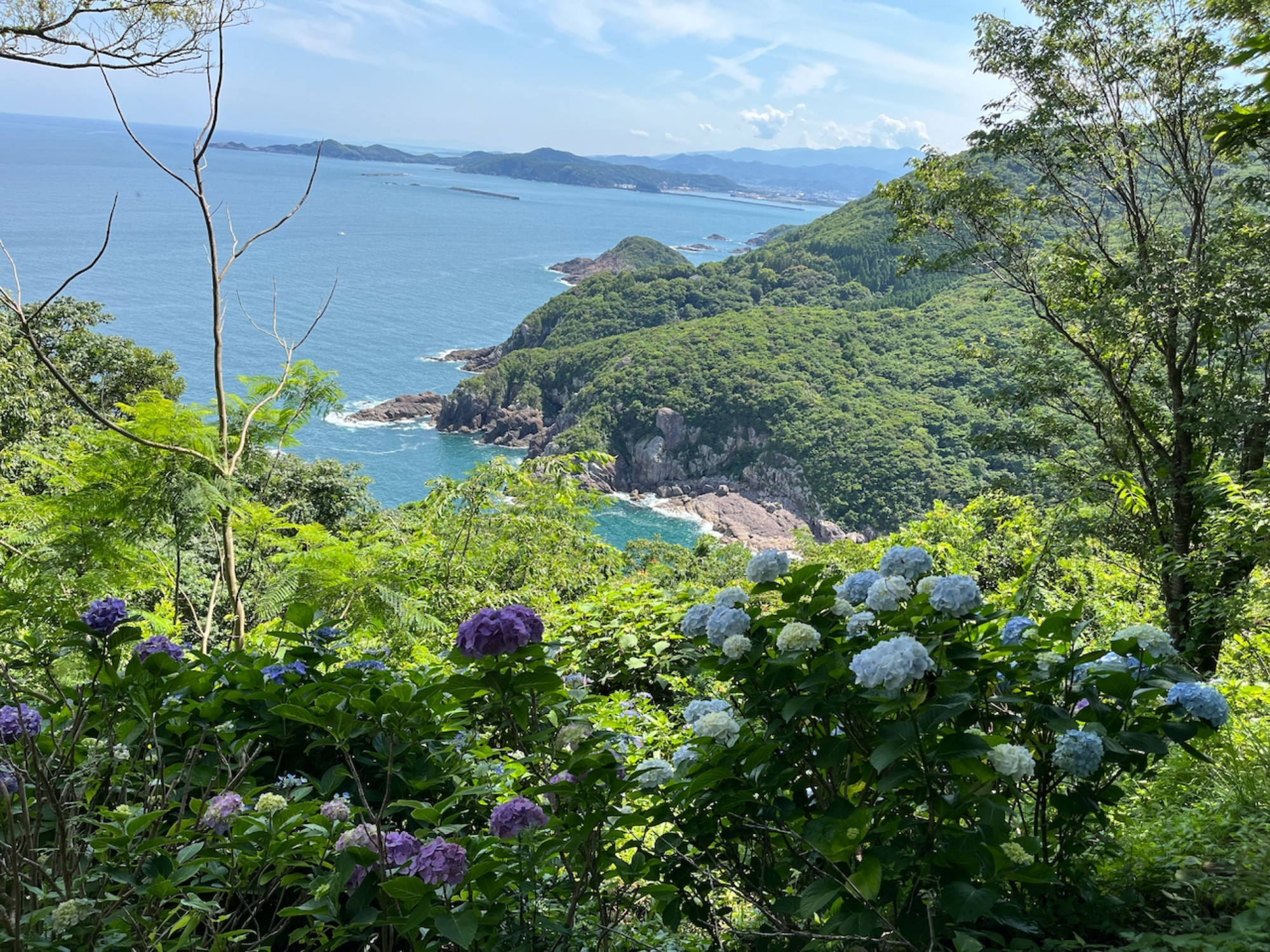
We next proceeded east, back towards Nobeoka, and then south towards the coast to Tougenkyo Garden. The garden is at the top of a coastline plateau, and offers beautiful panoramic views of the Pacific Ocean. The garden's main feature is its abundance of hydrangea plants. This was blooming season, so the fields and hillsides of hydrangeas of different colors were really stunning.
This place is worth the visit if you like elevated coastal views, and in spring, the hydrangea blooms. But it is out of the way, so your best bet might be a tour bus like ours.
Miyazaki City 2nd Night
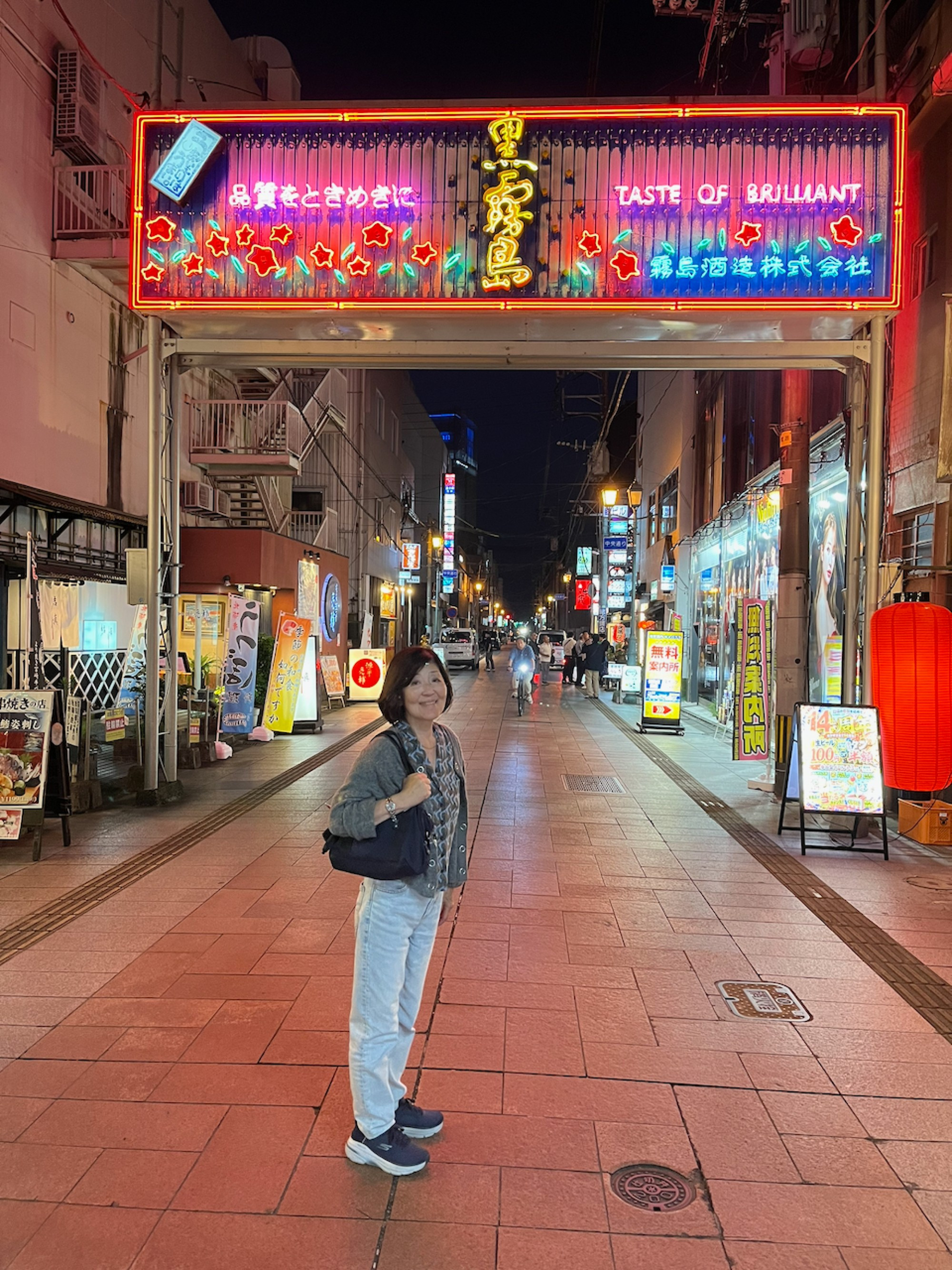
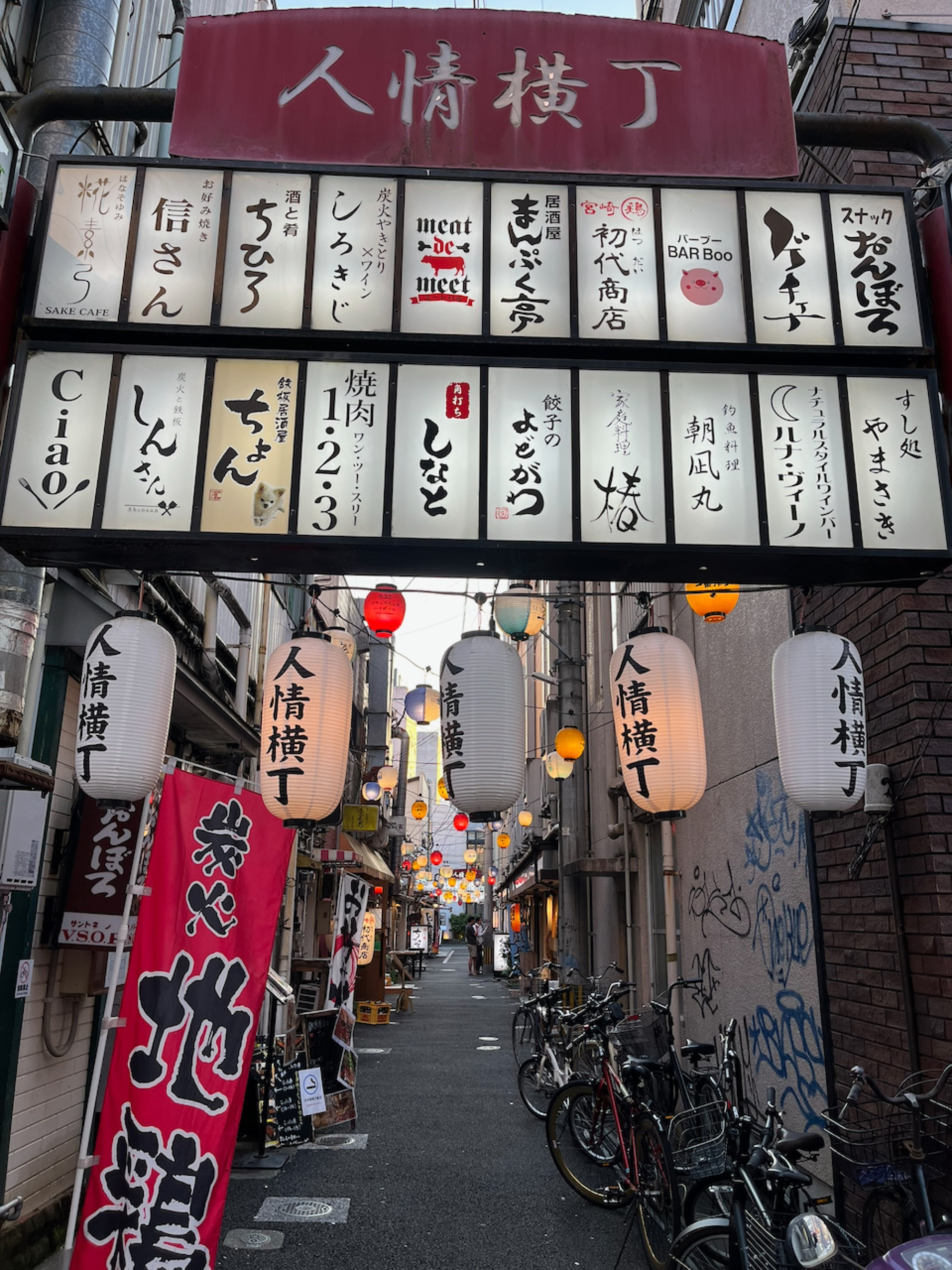
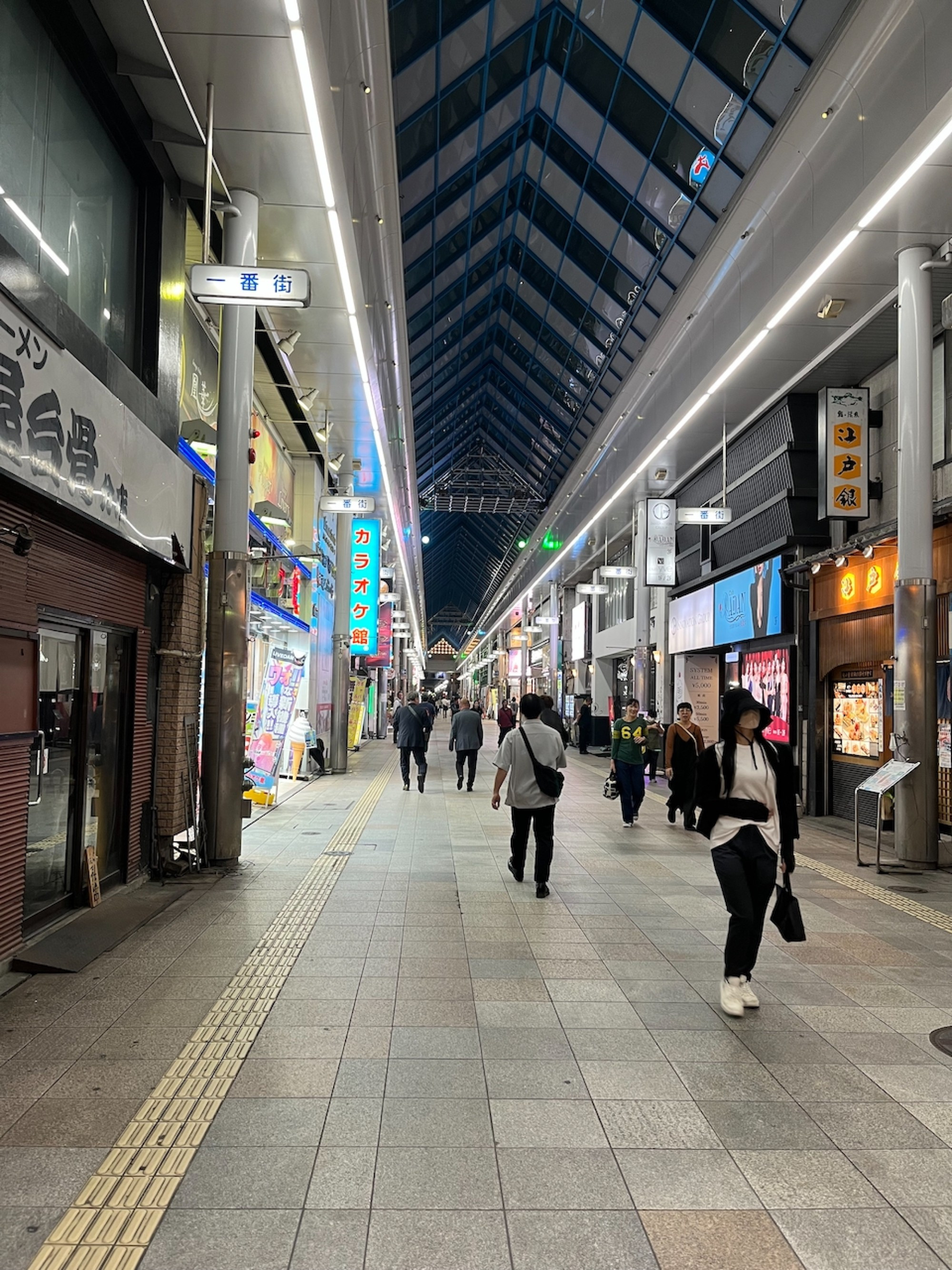
The bus took us back to the hotel, and we had the evening free. The tour only included lunch, so we were on our own for dinner. At first I thought we might try some more local cuisine that Miyazaki is known for, such as Chicken Nanban, which is fried chicken with a gooey tartar sauce on top. We had that yesterday at lunch anyway, and I was not a fan. So, we went to an Italian restaurant! Tegge Taverna is a modern Italian restaurant in the restaurant quarter as I call it for want of a better name. The salad and pasta were good, and we even had the famous Miyazaki Beef, a wagyu variety that is very popular.
If you visit this cozy little city I suggest you explore those backstreets in the area of Chuo-dori and Ichibangai Street. At night the area is nicely lit up, with each restaurant more enticing than the last.
Nichinan Jacaranda Forest
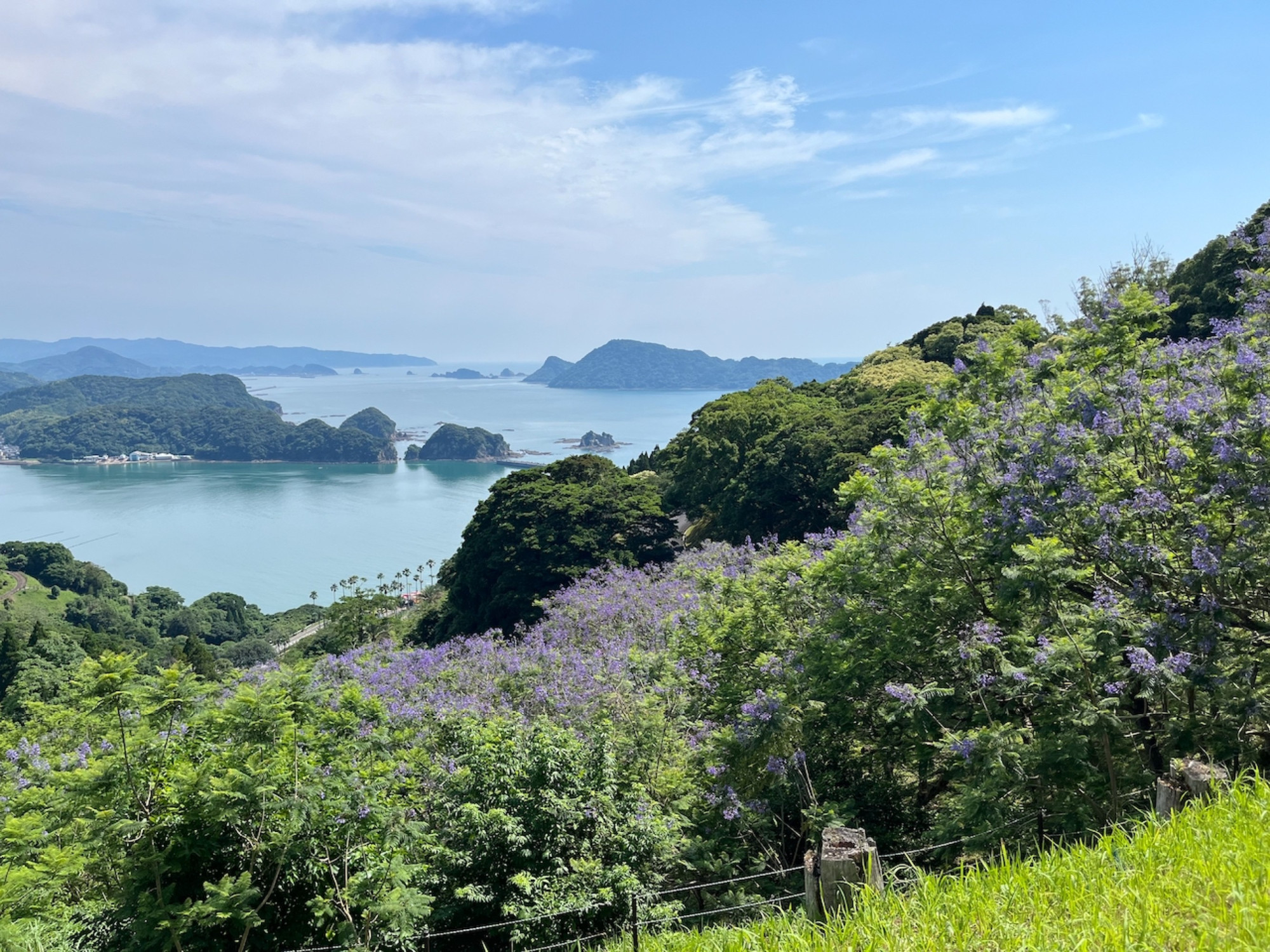
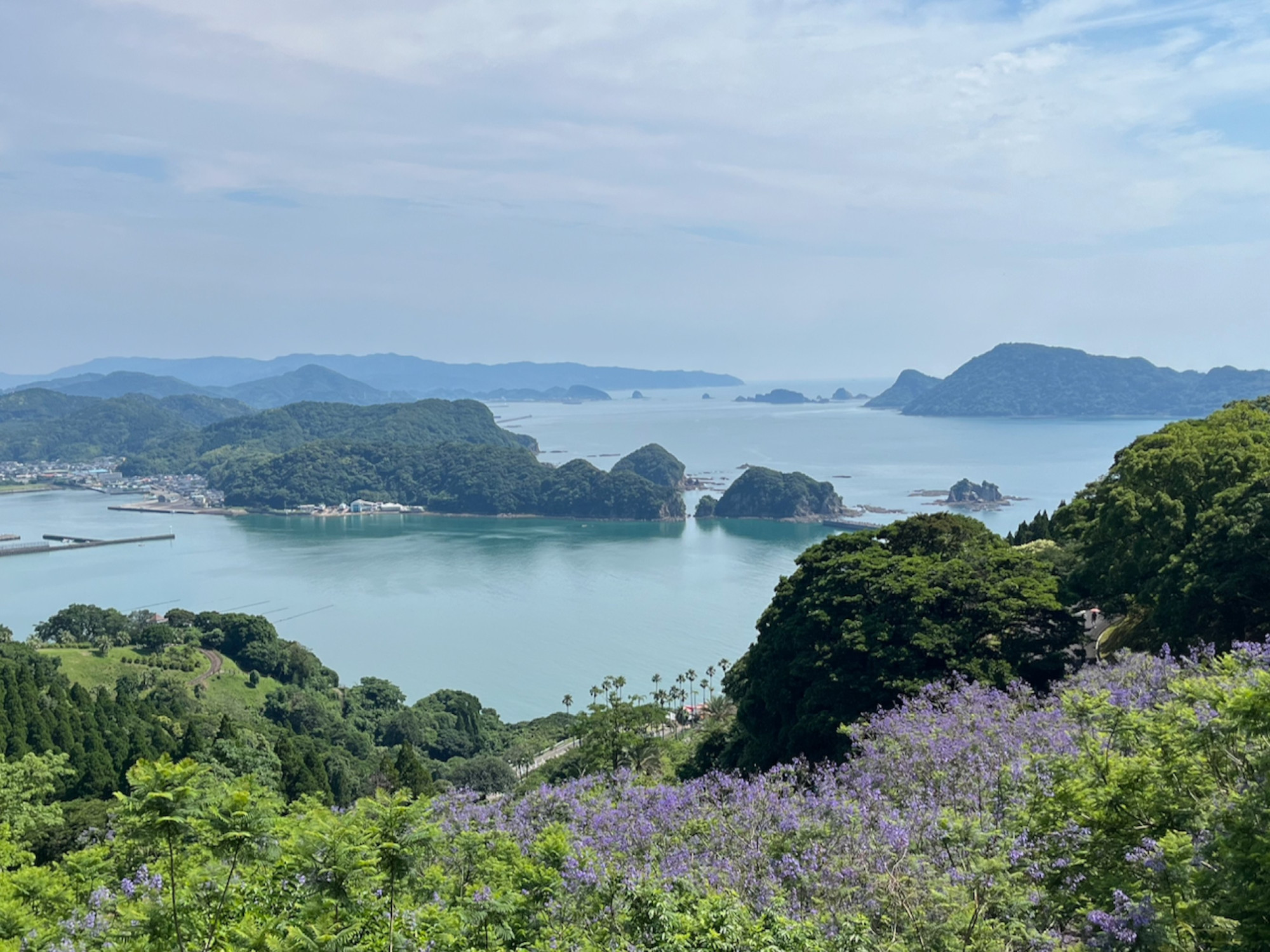
The next morning we were off to another coastal destination - Nichinan - which is south of Miyazaki. As our tour guide Jane was talking about it, she would say Jacaranda, which to me sounded like jack-o-lantern! It wasn't until we parked the bus at Jacaranda Forest and got out that it occurred to me that she was talking about the trees with purple blooms. The Jacaranda trees were planted from seeds in 1964, an import from Brazil. Today they line the roads and dot the hillside facing the bay. Quite a pretty sight when they are blooming their soft purple flowers.
But honestly the real attraction to me was the view of the surrounding coastline. It reminded us of Hawaii, or even Thailand. So tropical, you'd think you were on a remote island in the Pacific.
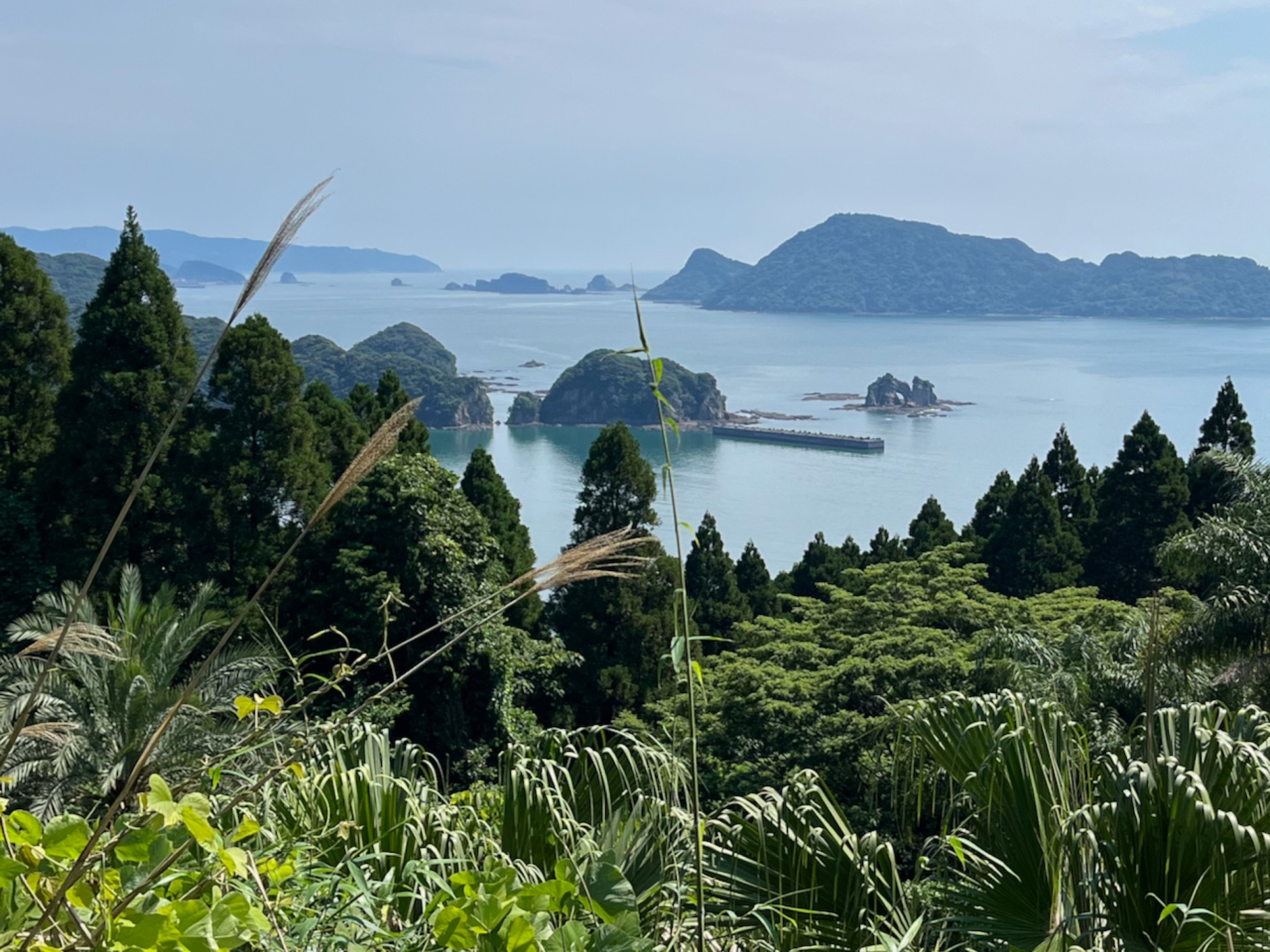
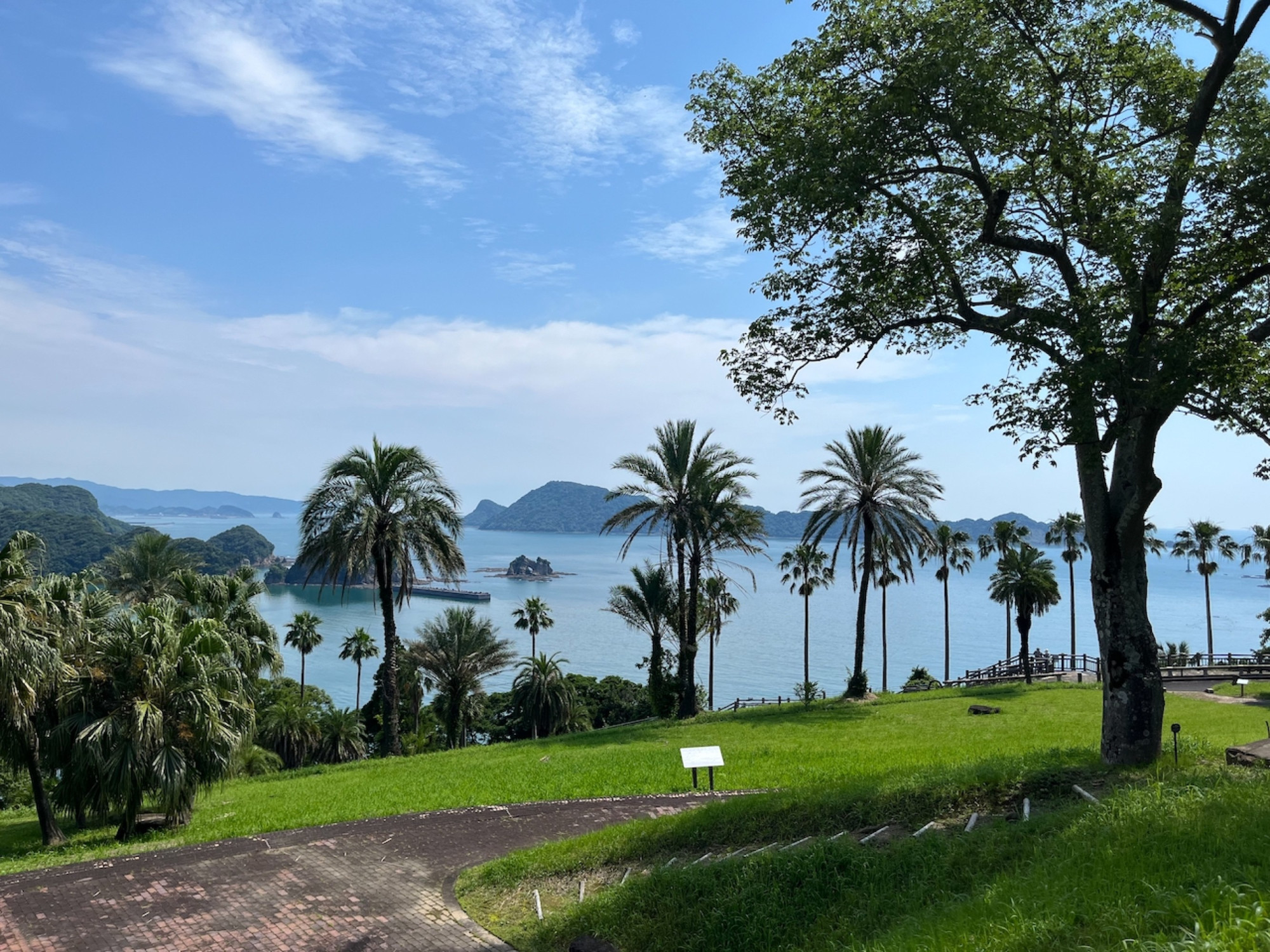

The bus dropped us off at the top of the hillside, with the idea that it would meet us down below at the visitor center. When we got to the bottom we found a shop that sold various souvenirs, including the local mango variety. Wow, one taste and we were hooked into buying a couple of the delicious red mangos for 2300 yen. Yes, a steep price, but you should see what they were charging at the airport!
Aoshima Island
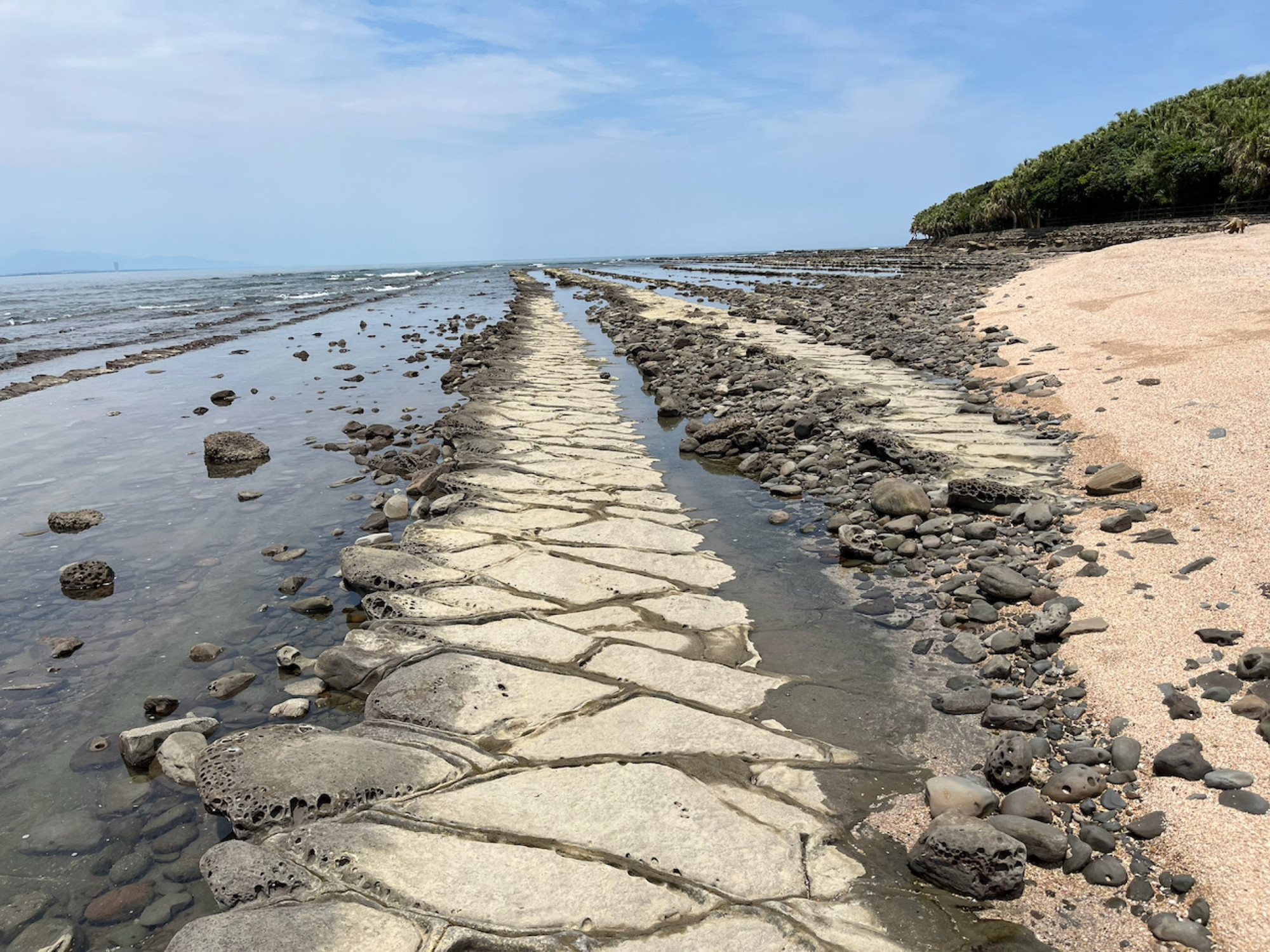
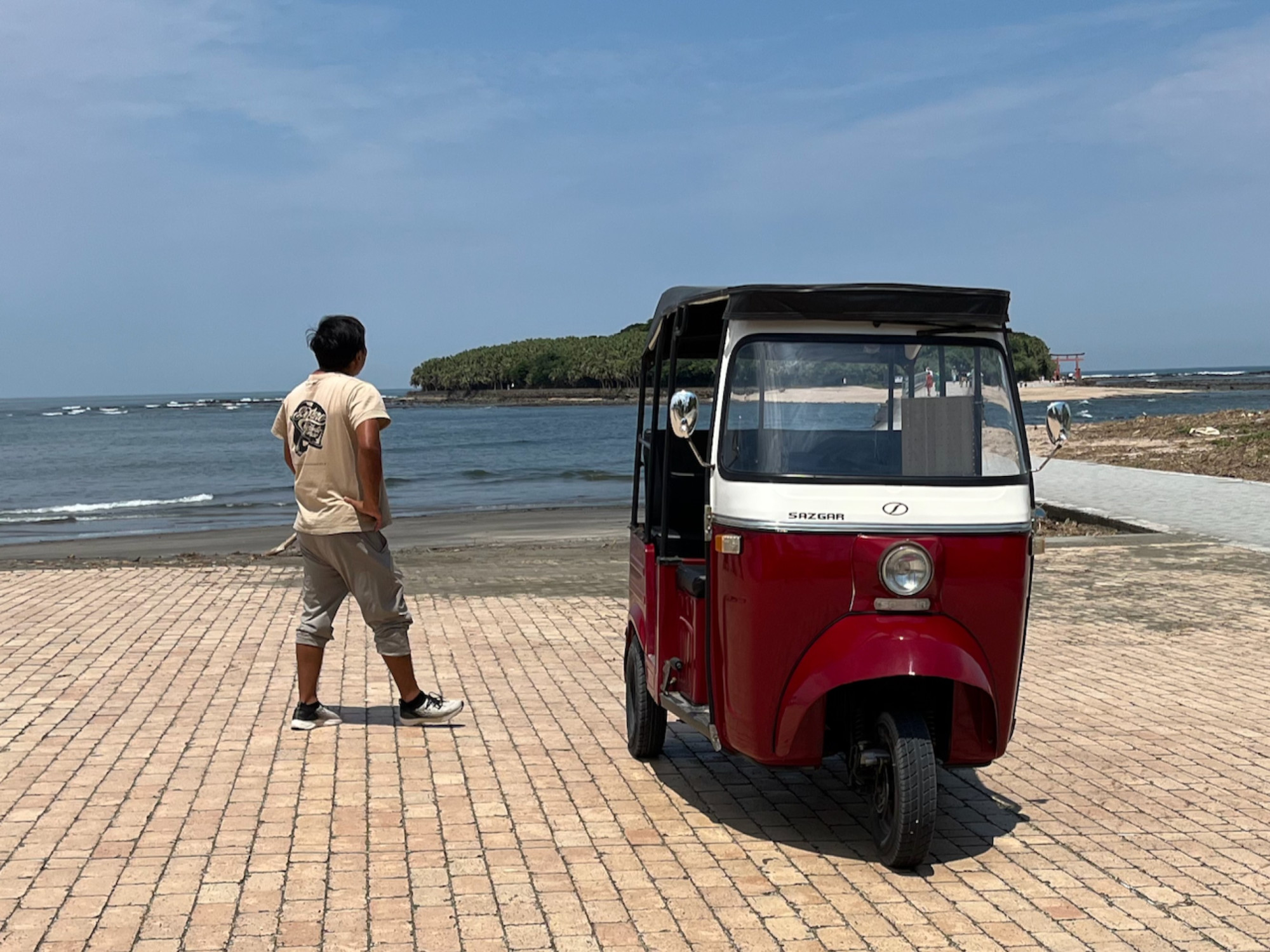
Our last stop was also in Nichinan, backtracking north, closer to Miyazaki. Aoshima offers a fascinating look at what tides can do to the seabed. Especially if the tide is low, you'll see rock formations that resemble a super-sized washboard, hence its nickname, Oni no Sentakuita, or Devil's Washboard. When I first saw it I thought for sure that it was man made, as it looked like rows and rows of raised rocks. Each row looked flat, like a path to walk on. I was summarily corrected by the tuk-tuk driver that drove us back from visiting the shrine. Geologically it’s referred to as a wave-cut platform or shore platform.
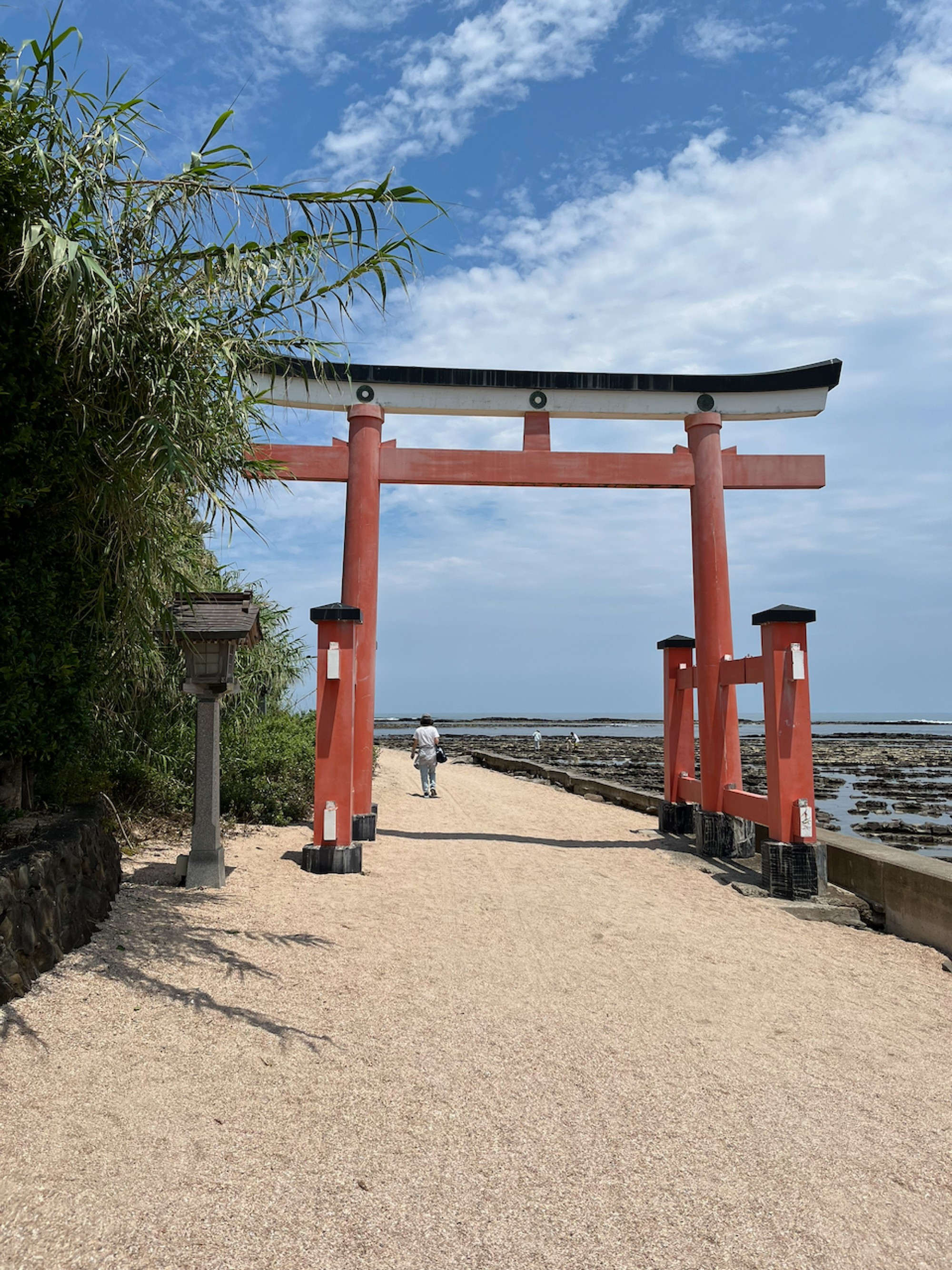
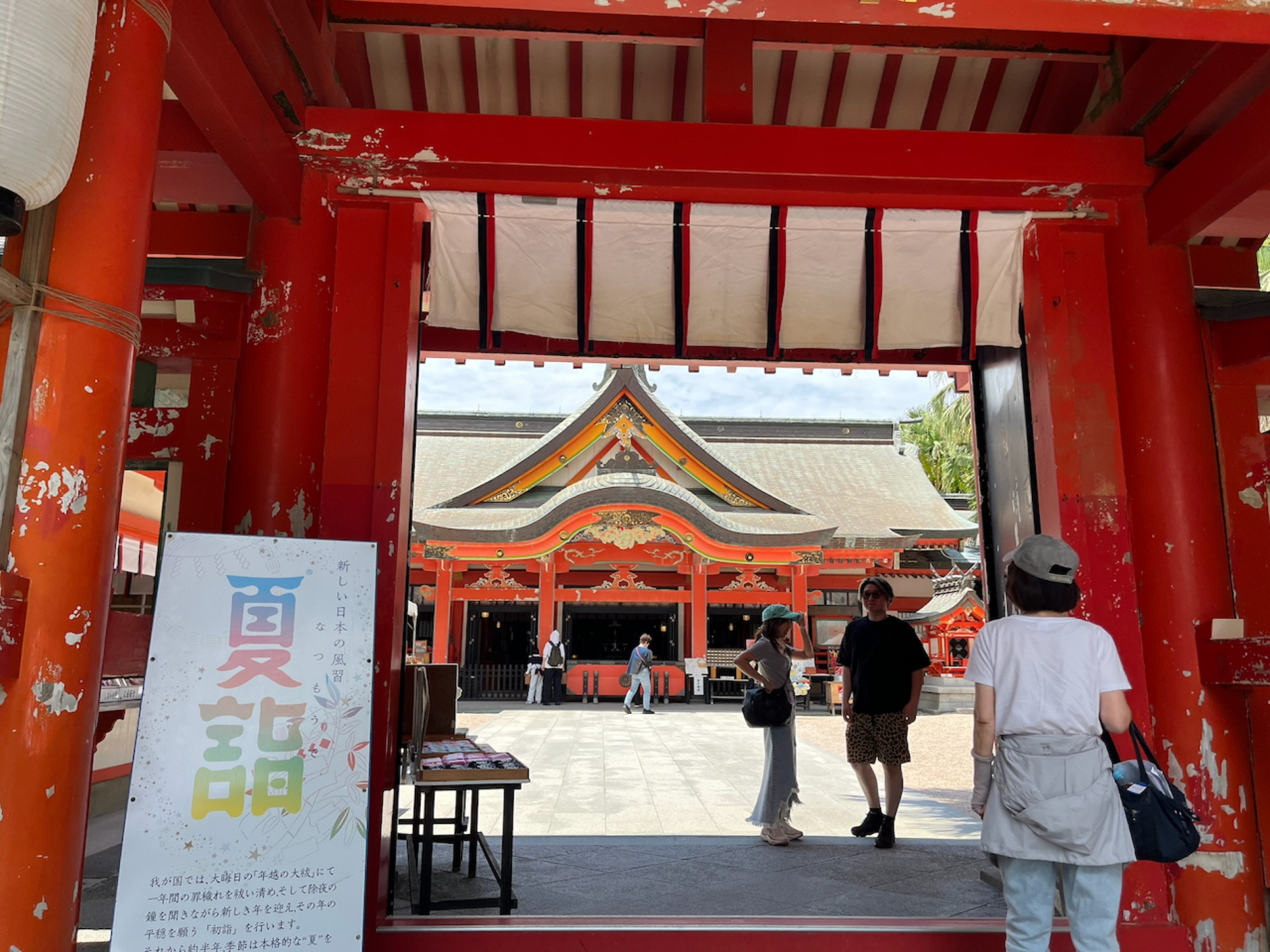
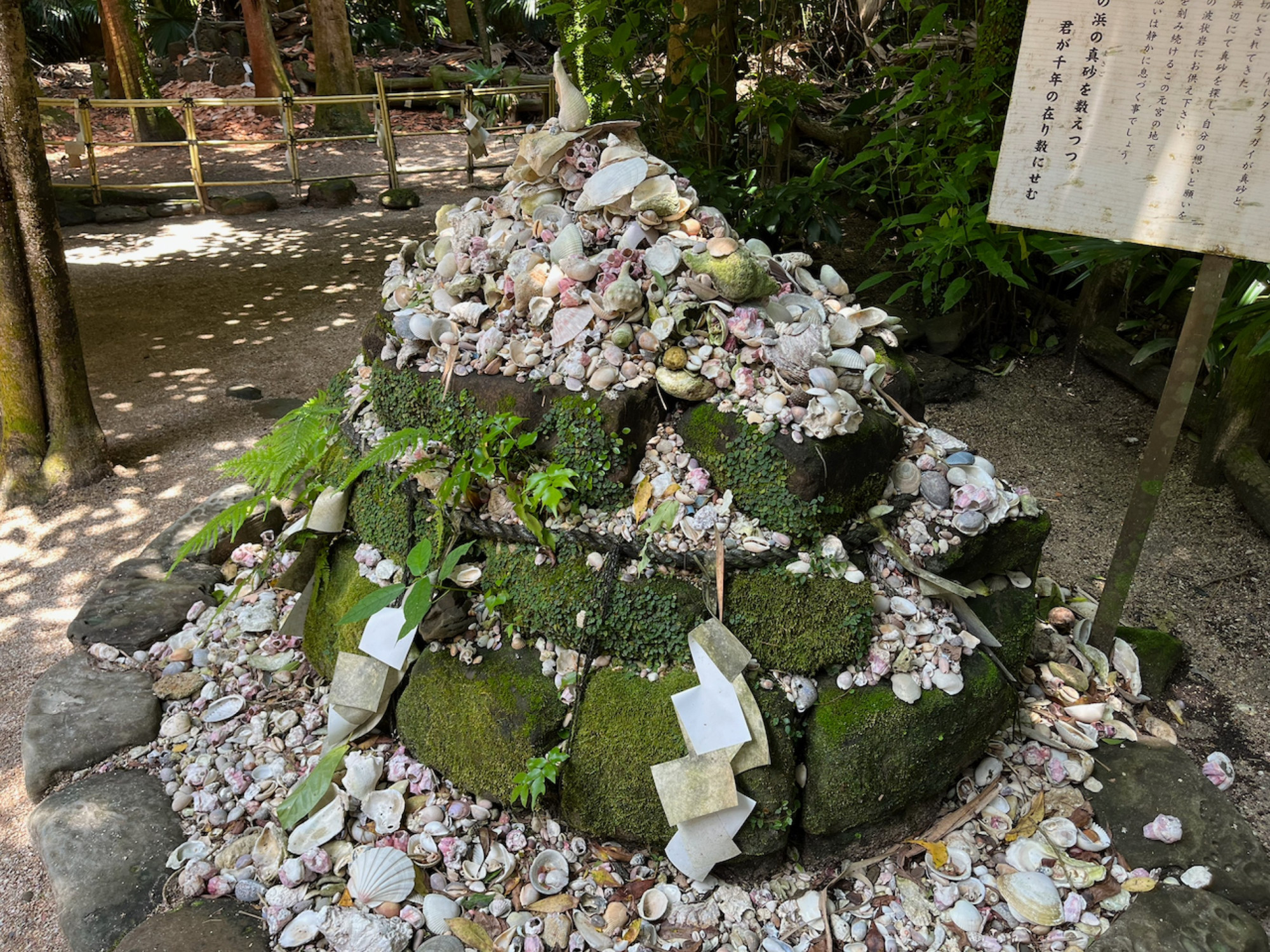
The main focal point on the island is Aoshima Shrine, a Shinto Jinja that specializes in answering prayers for the lovelorn. There is a place to write up your "wholesome" romantic desires and hang them at the mini-jungle path next to the main building. Who knows, maybe the gods will grant your wishes!
Miyazaki Airport
Our last destination was the airport at Miyazaki for our trip back to Haneda. We saw a lot in just a few days, ranging from tropical forests, waterfalls, and gorgeous coastlines to the vibe of downtown Miyazaki. If you decide to go on a trip like this, I'd highly recommend doing it in the spring as we did. And don't forget the mangoes!

If you are interested in learning more about the tour we took, just write a comment below and I'll post more info about it.
Location
Grammar in this Lessonこのレッスンの文法
Use have/has + past participle to talk about a life experience up to now. The exact time is not important; the experience matters.have/has + past participle は、今までの経験を言うときに使います。いつのことかより、「その経験がある」ということを表します。
“I'd never been to this area of Kyushu, so I was on board without any arm twisting.”
“At the time I told my wife that this is one of the top five most beautiful places I have visited in Japan, and I stand by that.”
Explanation説明
What this tense means
Use the present perfect to talk about a life experience up to now. The action happened at some time in the past, but the exact time is not important. English focuses on the fact that the experience is part of your life now. In Japanese, this is often "〜たことがある". For example, "I have been to Australia" means Australia is in my life experience.
How to make it
The form is have/has + past participle. Use have with I, you, we, and they. Use has with he, she, and it. For questions, put have/has before the subject: "Have you ever been to Kyoto?" For negatives, use haven't or hasn't: "I haven't tried it." For place experience, "have been to" is very common. It means you visited the place and came back. "I have been to Seoul" is natural. "I have been Japan" is wrong.
Ever, never, once, twice, and before
Ever is common in questions. It means "at any time in your life until now": "Have you ever eaten natto?" Never is used in negative statements: "I have never eaten natto." You can also say how many times something happened: "once", "twice", "three times". For example, "I have visited Kyoto twice." Before means "previously": "I have seen that movie before." Yet often appears in negatives when something has not happened up to now: "I haven't been there yet."
Present perfect or simple past?
Use the present perfect when the time is unknown, not stated, or not important. Use the simple past when the time is finished and clear. Compare: "I have watched that movie" and "I watched that movie yesterday." English makes this difference clear. Japanese often uses the same verb form for both, so remember this simple rule: if you say "yesterday", "last year", or "in 2020", use the simple past, not the present perfect.
Conversation
A: Have you ever been to Hokkaido?
B: Yes, I have. I've been there twice.
A: Really? Have you ever tried skiing there?
B: No, I haven't, but I want to go next winter.
この形の意味
現在完了は、今までの経験を言うときに使います。出来事は過去のどこかで起きましたが、いつかは大事ではありません。英語は「その経験が今の自分の一部であること」を言います。日本語ではよく「〜たことがある」になります。たとえば、"I have been to Australia" は「オーストラリアに行ったことがある」という意味です。
作り方
形は have/has + 過去分詞です。I, you, we, they では have を使い、he, she, it では has を使います。疑問文は have/has を主語の前に置きます。"Have you ever been to Kyoto?" の形です。否定文は haven't / hasn't を使います。"I haven't tried it." のように言います。場所の経験では "have been to" がとてもよく使われます。これは「その場所に行って、もう戻ってきた」という意味です。"I have been to Seoul" は自然です。"I have been Japan" は誤りです。
ever, never, once, twice, before
ever は疑問文でよく使い、「今までに」を表します。"Have you ever eaten natto?" のように言います。never は否定文で使い、「一度も〜ない」という意味です。"I have never eaten natto." のように言います。また、回数を言うこともできます。"once"、"twice"、"three times" です。たとえば、"I have visited Kyoto twice." です。before は「以前に」という意味です。"I have seen that film before." のように使います。yet は、今までまだ起きていないことを表す否定文でよく使います。"I haven't been there yet." のように言います。
現在完了と過去形の違い
いつ起きたかが分からない、または重要でないときは現在完了を使います。時間がはっきりしていて終わっているときは過去形を使います。比べてみましょう。"I have watched that film" と "I watched that film yesterday." です。英語はこの違いをはっきり分けます。日本語はどちらも同じように感じやすいので、"yesterday"、"last year"、"in 2020" のような言葉があるときは、現在完了ではなく過去形を使うと覚えましょう。
会話
A: Have you ever been to Hokkaido?
北海道に行ったことある?
B: Yes, I have. I've been there twice.
うん、あるよ。2回行ったことがある。
A: Really? Have you ever tried skiing there?
ほんと? そこでスキーをしたことはある?
B: No, I haven't, but I want to go next winter.
いいえ、まだないよ。でも来冬は行きたいな。
Examples例文
- I have been to Kyoto. 京都に行ったことがあります。
- She has never eaten raw fish. 彼女は生魚を一度も食べたことがありません。
- Have you ever lived in another country? ほかの国に住んだことがありますか。
- We have seen that shop before. 私たちはその店を前に見たことがあります。
- I haven't tried that game yet. 私はまだそのゲームをやっていません。
- He has been to London three times. 彼はロンドンに3回行ったことがあります。
Common Mistakesよくある間違い
1. Using the past form after "have ever"
Wrong: "Have you ever ate natto?"
Right: "Have you ever eaten natto?"
After have/has, use the past participle (eaten, seen, been), not the past form (ate, saw, went). For life experience, the present perfect is the usual choice. ("Did you ever eat natto?" is also heard in American English.)
2. Using the present perfect with a finished time
Wrong: "I have seen that movie yesterday."
Right: "I saw that movie yesterday."
Words like "yesterday" and "last year" need the simple past.
3. Forgetting "to" after "been" for a place
Wrong: "I have been Japan."
Right: "I have been to Japan."
Use "been to" when you mean you visited a place and came back.
4. Using "have gone to" for a finished life experience
Wrong: "I have gone to Kyoto three times."
Right: "I have been to Kyoto three times."
"Have gone to" usually means the person is there now, so it is not the best choice for past experience.
1. "have ever" のあとに過去形を置く
誤: "Have you ever ate natto?"
正: "Have you ever eaten natto?"
have/has のあとには、過去形(ate, saw, went)ではなく過去分詞(eaten, seen, been)を使います。経験を言うときは、ふつう現在完了を使います。(アメリカ英語では "Did you ever eat natto?" とも言います。)
2. 終わった時を現在完了で言う
誤: "I have seen that movie yesterday."
正: "I saw that movie yesterday."
"yesterday" や "last year" のような、終わった時間があるときは過去形を使います。
3. "been" のあとに "to" を入れない
誤: "I have been Japan."
正: "I have been to Japan."
場所の経験を言うときは "been to" です。
4. 経験なのに "have gone to" を使う
誤: "I have gone to Kyoto three times."
正: "I have been to Kyoto three times."
"have gone to" は「今そこに行っている」という意味になりやすいので、経験にはあまり合いません。
A past participle is the form used after have/has/had or with be in passive and result meanings. It often shows a finished action or state.past participle は、have/has/had の後や be と一緒に使い、受け身や結果の状態を表します。終わった動きや、その結果の状態を表す形です。
“I'd never been to this area of Kyushu, so I was on board without any arm twisting.”
“Obino Plateau, a 1,200-meter-high volcanic basin situated in Kirishima-Kinkowan National Park.”
Explanation説明
What a past participle is
A past participle is the third form of a verb. Regular verbs usually add -ed: "played", "worked", "cleaned". Many common verbs are irregular: "gone", "done", "written", "seen". English uses this form to show a finished action, a result, or a state after an action. In Japanese, the same idea is often shown with words like 〜た or 〜された, but English needs the correct verb form.
How to make it
- Regular verbs: base verb + -ed → "helped", "opened"
- Irregular verbs: learn the special form → "take / took / taken"
- Some verbs have the same past simple and past participle form → "read / read / read"
Do not guess all verbs with -ed. Many very common verbs are irregular, so it is important to learn them as word sets.
After have: perfect forms
Use a past participle after have, has, or had. This is the perfect form. It connects a past action to now, or to another time in the past. "I have finished my homework." "She has already left." "We had eaten before the movie started."
For negatives, use not after the auxiliary: "I haven't finished." For questions, change the auxiliary: "Have you finished?" In English, the auxiliary verb carries the tense. The past participle does not change for I, you, he, she, or they.
After be or get: passive forms
Use a past participle after be or sometimes get to talk about what happens to the subject. "The room was cleaned." "My bike got stolen." In passive sentences, the person or thing receiving the action is the subject. Japanese often shows this idea with a passive ending like 〜られる. English uses be (or get) + past participle.
For negatives, use the negative form of be: "The emails were not sent." For questions, move be to the front: "Was the door locked?" The past participle stays the same.
Past participles as adjectives
Past participles can also work like adjectives. They describe a feeling or a result. "I am bored." "The window is broken." "We were surprised." Here, the past participle describes the person or thing now. Be careful: bored and boring are different. "Bored" describes how a person feels. "Boring" describes what causes that feeling.
How to choose the right form
Use the past simple for a finished time in the past: "I saw him yesterday." Use a past participle after an auxiliary verb: "I have seen him before." If you want to say who did the action, use active voice. If you want to show the result or the receiver, use passive voice. In English, the past participle is not a main verb on its own in a normal statement. It usually needs have, be, or get.
Conversation
A: Have you finished the slides?
B: Yes, they have been sent to the manager.
A: Great. Was anything changed after lunch?
B: Yes, one page was rewritten because the numbers were wrong.
A: Good. Now the report is ready.
過去分詞とは何か
過去分詞は、動詞の3つ目の形です。規則動詞は、たいてい -ed をつけます。"played"、"worked"、"cleaned" などです。よく使う不規則動詞は特別な形になります。"gone"、"done"、"written"、"seen" です。英語では、この形で「終わった動作」「結果」「ある状態」を表します。日本語では 〜た や 〜された で表すことが多いですが、英語では正しい動詞の形を使う必要があります。
作り方
- 規則動詞: 動詞の原形 + -ed → "helped"、"opened"
- 不規則動詞: 特別な形を覚える → "take / took / taken"
- 過去形と過去分詞が同じ動詞もある → "read / read / read"
すべての動詞に -ed をつけるわけではありません。とてもよく使う不規則動詞が多いので、形はセットで覚えることが大切です。
have の後ろ: 完了形
have、has、had の後ろに過去分詞を置くと、完了形になります。これは、過去の出来事が今に関係していることや、過去の別の時点より前に起こったことを表します。"I have finished my homework."、"She has already left."、"We had eaten before the movie started."
否定文では、助動詞の後ろに not を置きます。"I haven't finished." 疑問文では、助動詞を文の前に出します。"Have you finished?" 英語では、時制を表すのは助動詞です。過去分詞は、I, you, he, she, they で形が変わりません。
be や get の後ろ: 受け身
be、または時々 get の後ろに過去分詞を置くと、主語が「〜される側」であることを表します。"The room was cleaned."、"My bike got stolen." 受け身では、動作を受ける人や物が主語になります。日本語では 〜られる のような受け身の形でこの意味を表すことが多いです。英語では be(または get)+ 過去分詞 を使います。
否定文では be を否定します。"The emails were not sent." 疑問文では be を前に出します。"Was the door locked?" 過去分詞の形はそのままです。
形容詞のように使う過去分詞
過去分詞は、形容詞のようにも使えます。気持ちや結果を表します。"I am bored."、"The window is broken."、"We were surprised." この形では、過去分詞が今の状態を説明します。bored と boring は違います。bored は人の気持ち、boring は「つまらなくさせるもの」を表します。
どれを使うか
過去のある時点を言いたいなら、過去形を使います。"I saw him yesterday." です。助動詞の後ろに置くなら、過去分詞を使います。"I have seen him before." です。誰がしたかを言いたいときは能動態、結果や受け手を強調したいときは受け身を使います。英語では、過去分詞だけを普通の文の動詞として使うことはありません。たいてい have、be、get が必要です。
会話
A: Have you finished the slides?
スライドはもう終わった?
B: Yes, they have been sent to the manager.
うん、もうマネージャーに送ってあるよ。
A: Great. Was anything changed after lunch?
いいね。昼食のあとで何か変わった?
B: Yes, one page was rewritten because the numbers were wrong.
うん、数字が違っていたから、1ページ書き直されたよ。
A: Good. Now the report is ready.
よし。これでレポートは準備できたね。
Examples例文
- They have already chosen a date. 彼らはもう日程を決めています。
- My phone was found under the sofa. 私のスマホはソファの下で見つかりました。
- Have you ever written a blog post? ブログ記事を書いたことはありますか。
- The tickets weren't printed on time. チケットは時間どおりに印刷されませんでした。
- We are excited about the trip. 私たちはその旅行にわくわくしています。
- The soup had been made before we arrived. 私たちが着く前に、そのスープは作られていました。
Common Mistakesよくある間違い
1. Using the past simple after have
Wrong: "I have took the test."
Right: "I have taken the test."
After have, English needs the past participle, not the past simple.
2. Forgetting be in the passive
Wrong: "The cake eaten by my brother."
Right: "The cake was eaten by my brother."
A passive sentence needs be plus a past participle.
3. Using -ed for every verb
Wrong: "She has eated lunch."
Right: "She has eaten lunch."
Many common verbs are irregular, so their past participle is not made with -ed.
4. Mixing up bored and boring
Wrong: "The movie was bored."
Right: "The movie was boring."
Wrong: "I am boring."
Right: "I am bored."
boring describes the thing. bored describes the person who feels the result.
1. have の後ろに過去形を置く
誤:"I have took the test."
正:"I have taken the test."
have の後ろでは、過去形ではなく過去分詞を使います。
2. 受け身で be を入れ忘れる
誤:"The cake eaten by my brother."
正:"The cake was eaten by my brother."
受け身は be + 過去分詞 で作ります。
3. すべての動詞を -ed にする
誤:"She has eated lunch."
正:"She has eaten lunch."
よく使う不規則動詞は、-ed をつけない特別な形です。
4. bored と boring を混同する
誤:"The movie was bored."
正:"The movie was boring."
誤:"I am boring."
正:"I am bored."
boring は「つまらせるもの」、bored は「つまらないと感じる人」です。
A relative clause with that comes right after a noun and tells you which one, or what kind, is meant. Here, that describes the kind of tone and the bushes being talked about.that を使う関係詞節は、名詞のすぐあとに置いて、どれ・どんなものかを特定します。ここでは、話し方のトーンや茂み(bushes)がどんなものかを説明しています。
“Jane was a very knowledgeable person with a tone of speaking that I believe is known as captivator cadence, where the speaker uses high starter-tones to grab a crowd's attention, lowers their pitch to deliver the factual information, and hooks upward again to deliver another point and maintain it while at the same time keeping folks' attention.”
“There we encountered fields of azalea and other bushes that went on endlessly into the distance.”
Explanation説明
What a relative clause does
A relative clause gives extra information about a noun. It tells the listener which person or thing you mean. In Japanese, this idea is often shown by putting the description before the noun. In English, the noun comes first, then the extra information comes after it.
How to use "that"
Use "that" to start a defining relative clause. A defining relative clause is part of the meaning. The noun is not complete without it. "That" can refer to people or things.
- "the man that lives next door"
- "the book that I bought yesterday"
The basic pattern is: noun + "that" + subject + verb.
When "that" can be left out
In everyday English, you can often leave out "that" when it is the object of the clause. Both of these are natural:
- "The book that I bought"
- "The book I bought"
This is common in spoken English. Japanese does not need a word like "that", so learners sometimes forget that English still needs clear word order and a clear noun before the clause.
Important limits
Do not use "that" in a non-defining relative clause. A non-defining clause has commas. In this kind of clause, use "who" or "which", not "that": "My brother, who lives in Osaka, is a teacher." Also, after a preposition, everyday English often puts the preposition at the end: "the person that I spoke to". In more formal English, you can say "the person to whom I spoke".
The relative clause can be negative: "the film that I didn't like". The whole sentence can also be a question: "Is this the bag that you want?" "That" does not change form for singular or plural nouns.
Choosing between "that", "who", and "which"
"That" is very common in speech and in writing when the clause defines the noun. "Who" is often more natural for people, especially in careful English. "Which" is common for things, especially with commas. For a learner, the safest idea is: use "that" for a defining clause when you want a simple, natural form, and do not use it with commas.
Conversation
A: I'm looking for the jacket that I bought last winter.
B: The blue one that you wear all the time?
A: No, the one that has a small hole in the sleeve.
B: Oh, I saw it in the hallway.
関係節とは
関係節は、名詞を説明するための節です。どの人・どの物のことかをはっきりさせます。日本語では説明を名詞の前に置くことが多いですが、英語では名詞を先に出して、その後ろに説明をつけます。
"that" の使い方
"that" は、限定用法の関係節を始める語です。限定用法とは、その説明がないと何のことか分かりにくい形です。"that" は人にも物にも使えます。
- "the man that lives next door"
- "the book that I bought yesterday"
基本の形は、名詞 + "that" + 主語 + 動詞 です。
"that" を省けるとき
"that" が関係節の目的語になるときは、日常英語では省けることがよくあります。次の2つはどちらも自然です。
- "The book that I bought"
- "The book I bought"
会話では特にこの形がよく使われます。日本語には "that" のような語がないので、英語でははっきりした語順と、節の前の名詞が必要なことを忘れやすいです。
大事なルール
カンマがある非限定用法の関係節では、"that" は使いません。この場合は "who" や "which" を使います。たとえば、"My brother, who lives in Osaka, is a teacher." です。また、前置詞があるときは、会話では前置詞を文末に置くことが多いです。"the person that I spoke to" のように言えます。よりかたい文では "the person to whom I spoke" もあります。
関係節の中身は、ふつうの文と同じように否定文にもできます。"the film that I didn't like" のように言えます。また、文全体は疑問文にもできます。"Is this the bag that you want?" のように使います。"that" 自体は、単数・複数で形が変わりません。
"that"、"who"、"which" の使い分け
"that" は、限定して説明するときにとてもよく使います。人には "who" の方が自然なことが多く、特に丁寧な英語ではそうです。物には "which" もよく使います。日本語の感覚で直訳しすぎず、「カンマなしの限定用法なら "that" が使える」と覚えると分かりやすいです。
会話
A: I'm looking for the jacket that I bought last winter.
去年の冬に買ったジャケットを探しているんだ。
B: The blue one that you wear all the time?
いつも着ている、あの青いの?
A: No, the one that has a small hole in the sleeve.
ううん、袖に小さな穴がある方だよ。
B: Oh, I saw it in the hallway.
ああ、廊下で見たよ。
Examples例文
- She bought the phone that I recommended. 彼女は私がすすめたスマホを買いました。
- The cafe that opens early is near the station. 早く開くカフェは駅の近くにあります。
- Do you know the name of the man that called me? 私に電話した男性の名前、知っていますか。
- I don't want the seat that is near the door. ドアの近くの席は欲しくありません。
- This is the song that my sister likes best. これは私の妹が一番好きな歌です。
- The bag that I was carrying broke yesterday. 私が持っていたバッグは昨日壊れました。
Common Mistakesよくある間違い
1. Using "that" with commas
Wrong: "My brother, that lives in Osaka, is a teacher."
Right: "My brother that lives in Osaka is a teacher."
Do not use commas with a defining relative clause using "that".
2. Putting a preposition before "that"
Wrong: "The person to that I spoke."
Right: "The person that I spoke to."
In everyday English, the preposition usually stays at the end.
3. Using "that" in a non-defining clause
Wrong: "My car, that I bought last year, is blue."
Right: "My car, which I bought last year, is blue."
After commas, use "who" or "which", not "that".
1. カンマをつけてしまう
誤:"My brother, that lives in Osaka, is a teacher."
正:"My brother that lives in Osaka is a teacher."
"that" を使う限定用法の関係節では、カンマを入れません。
2. 前置詞を "that" の前に置く
誤:"The person to that I spoke."
正:"The person that I spoke to."
会話では、前置詞は文末に置くことが多いです。
3. 非限定用法で "that" を使う
誤:"My car, that I bought last year, is blue."
正:"My car, which I bought last year, is blue."
カンマのある関係節では、"that" は使いません。
Vocabulary
“Obino Plateau”
“On this rainy day our first stop was the Obino Plateau, a 1,200-meter-high volcanic basin situated in Kirishima-Kinkowan National Park.”
-
We stopped at a plateau with a wide view of the mountains.私たちは山々を一望できる高原に立ち寄った。
-
The plateau was covered with flowers in spring.その高原は春になると花でいっぱいだった。
“Takachiho Gorge”
“With full tummies, we made our way towards the path leading to Takachiho Gorge.”
-
The hikers were excited to explore the gorge.ハイカーたちは峡谷を探検することに興奮しました。
-
The view from the top of the gorge was breathtaking.峡谷の頂からの景色は息を呑むほど美しかった。
“I was summarily corrected by the tuk-tuk driver that drove us back from visiting the shrine.”
“The main focal point on the island is Aoshima Shrine, a Shinto Jinja that specializes in answering prayers for the lovelorn.”
-
The shrine is dedicated to the spirit of the river.その神社は川の精霊に捧げられています。
-
Visitors often pray at the shrine for good fortune.訪問者は幸福を願って神社で祈ります。
“It is well known for its crystal-clear lakes, fumaroles that emit steam, and scenic hiking trails.”
-
Steam rose from a fumarole near the volcano.火山の近くの噴気孔から蒸気が立ちのぼっていた。
-
Scientists studied the fumarole to learn more about underground heat.科学者たちは地下の熱をもっと知るために噴気孔を調べた。
“The garden's main feature is its abundance of hydrangea plants.”
“This was blooming season, so the fields and hillsides of hydrangeas of different colors were really stunning.”
-
The hydrangea bloomed in many shades of purple.その紫陽花はさまざまな紫色に咲いていた。
-
We saw rows of hydrangea on the hillside.私たちは丘の斜面に並ぶ紫陽花を見た。
“The garden is at the top of a coastline plateau, and offers beautiful panoramic views of the Pacific Ocean.”
“But honestly the real attraction to me was the view of the surrounding coastline.”
-
The coastline was dotted with small fishing villages.その海岸線には小さな漁村が点在していた。
-
From the hill, we could see the coastline for miles.丘の上からは、何マイルも続く海岸線が見えた。
“The weather had cleared up nicely from the previous day, and frankly it became a bit warm and humid, especially while hiking.”
-
The weather became hot and humid in the afternoon.午後になると、天気は暑くて湿気がこもるようになった。
-
It felt humid after the rain.雨のあと、湿気がこもっていた。
“If you visit this cozy little city I suggest you explore those backstreets in the area of Chuo-dori and Ichibangai Street.”
-
We ate dinner in a cozy restaurant.私たちは居心地の良いレストランで夕食を食べた。
-
The hotel room was small but cozy.ホテルの部屋は小さかったが、居心地が良かった。
“The garden is at the top of a coastline plateau, and offers beautiful panoramic views of the Pacific Ocean.”
-
The panoramic view from the top of the mountain was breathtaking.山の頂上からの全景の眺めは息を呑むものでした。
-
They took a panoramic photo of the city skyline.彼らは都市のスカイラインの全景の写真を撮りました。
“Such is life.”
-
We lost the match in the final minute, but such is life.私たちは試合の最後の1分で負けたが、そういうものだ。
-
I missed the train and had to wait an hour; such is life.電車に乗り遅れて1時間待たなければならなかった。そういうものだ。
“As we boarded the bus and headed to our first destination, Jane regurgitated some interesting facts about each area we visited, only some of which I could discern with my feeble Japanese skills.”
-
He regurgitated the facts from the textbook during the exam.彼は試験中、教科書の事実をそのまま繰り返した。
-
The bird regurgitated food for its chicks.その鳥はヒナのために食べ物を吐き戻した。
“There we encountered fields of azalea and other bushes that went on endlessly into the distance.”
“The pink of the azaleas contrasted nicely with the rainy fog that hovered over us.”
-
The garden was full of pink azaleas in spring.その庭は春になるとピンクのツツジでいっぱいだった。
-
We planted azaleas along the walkway.私たちは小道に沿ってツツジを植えた。
“As our tour guide Jane was talking about it, she would say Jacaranda, which to me sounded like jack-o-lantern!”
-
The children carved a jack-o-lantern for Halloween.子どもたちはハロウィーンのためにジャック・オー・ランタンを作った。
-
A glowing jack-o-lantern sat on the front porch.光るジャック・オー・ランタンが玄関先に置かれていた。
“Geologically it’s referred to as a wave-cut platform or shore platform.”
-
Geologically, the region is very old.地質学的に見ると、その地域は非常に古い。
-
The mountains are geologically active.その山々は地質学的に活動的である。
“What I found out later was that Takachiho is known as the "Village of Myths," and most famously the myth of the Shinto sun goddess Amaterasu.”
-
The myth explains how the world was created.その神話は、世界がどのように創られたかを説明している。
-
It is a myth that humans use only ten percent of their brains.人間は脳の10パーセントしか使っていないというのは神話だ。
Quizzes
You Finished This Series
This is the last lesson in Japan Series: The Countryside.
Back to the SeriesUp Next
Previous lesson: A Day Trip to Mount Takao in Western Tokyo Is a Breath of Fresh Air
What did you think of this lesson?
Ask a question or share a thought — I read every one.