
Lesson Goals
- say how you feel in a simple sentence
- inquire about how another person feels
Let's Start
We all feel a lot of different feelings every day. Here are some common feelings.
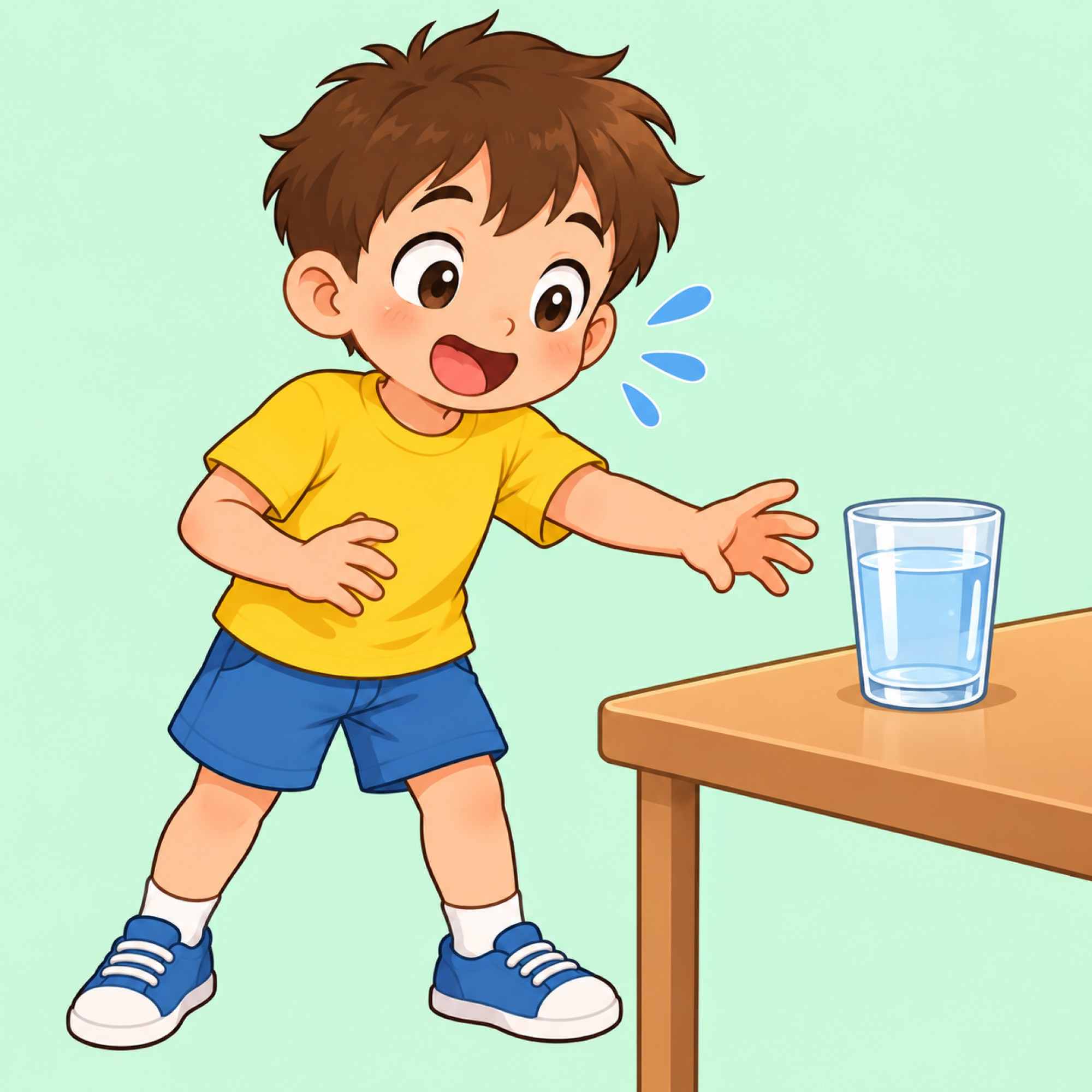 |
I am thirsty. |
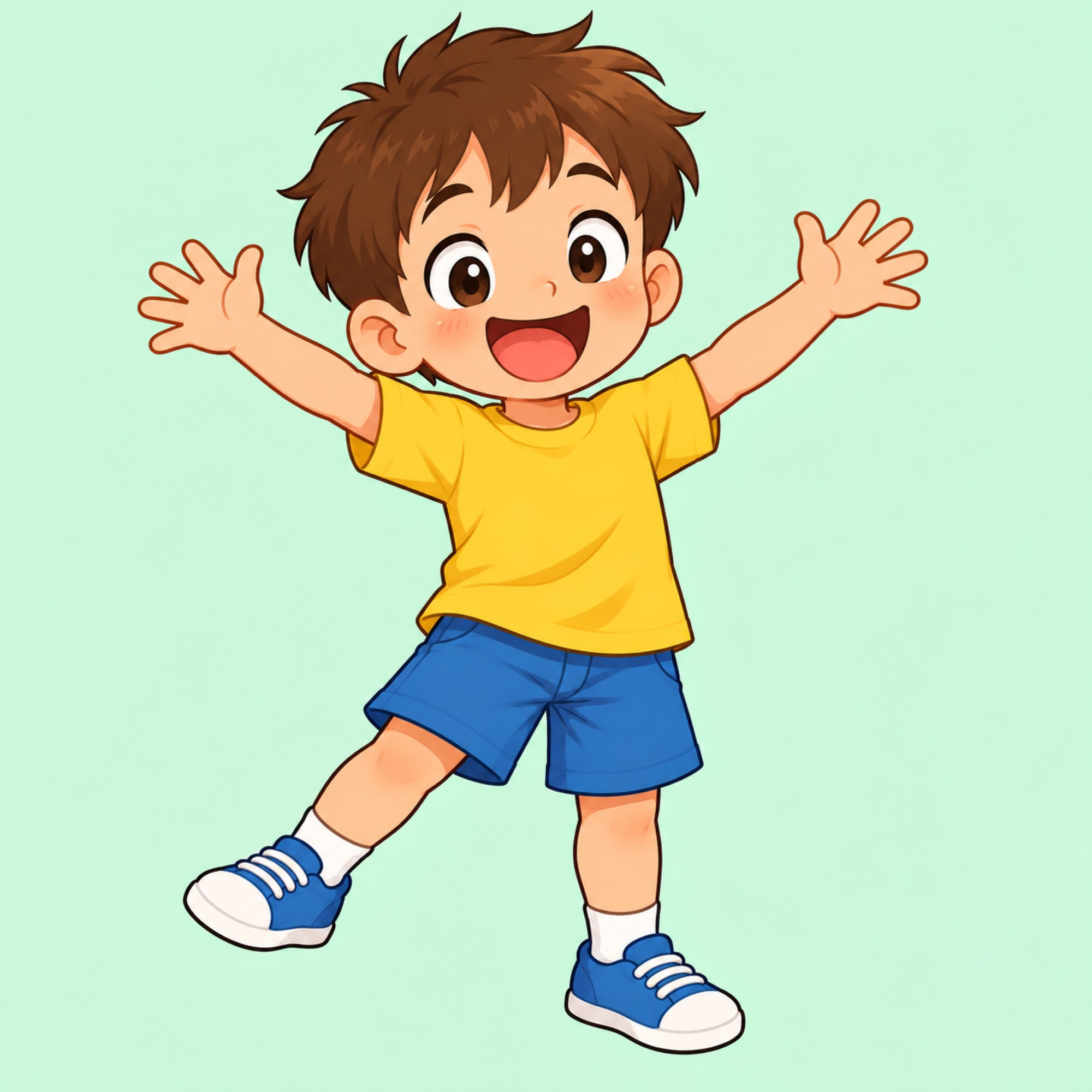 |
I am happy. |
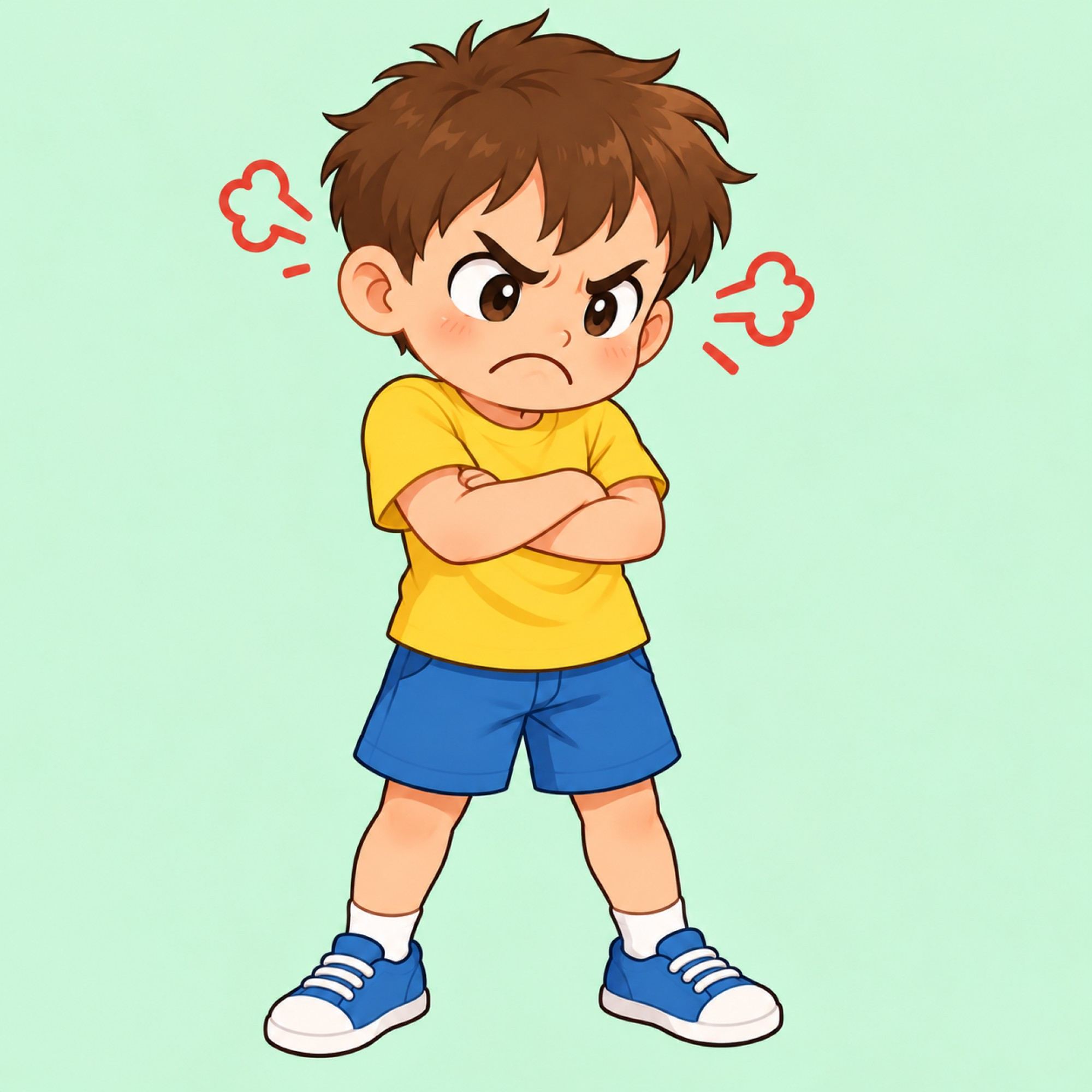 |
I am angry. |
 |
I am sleepy. |
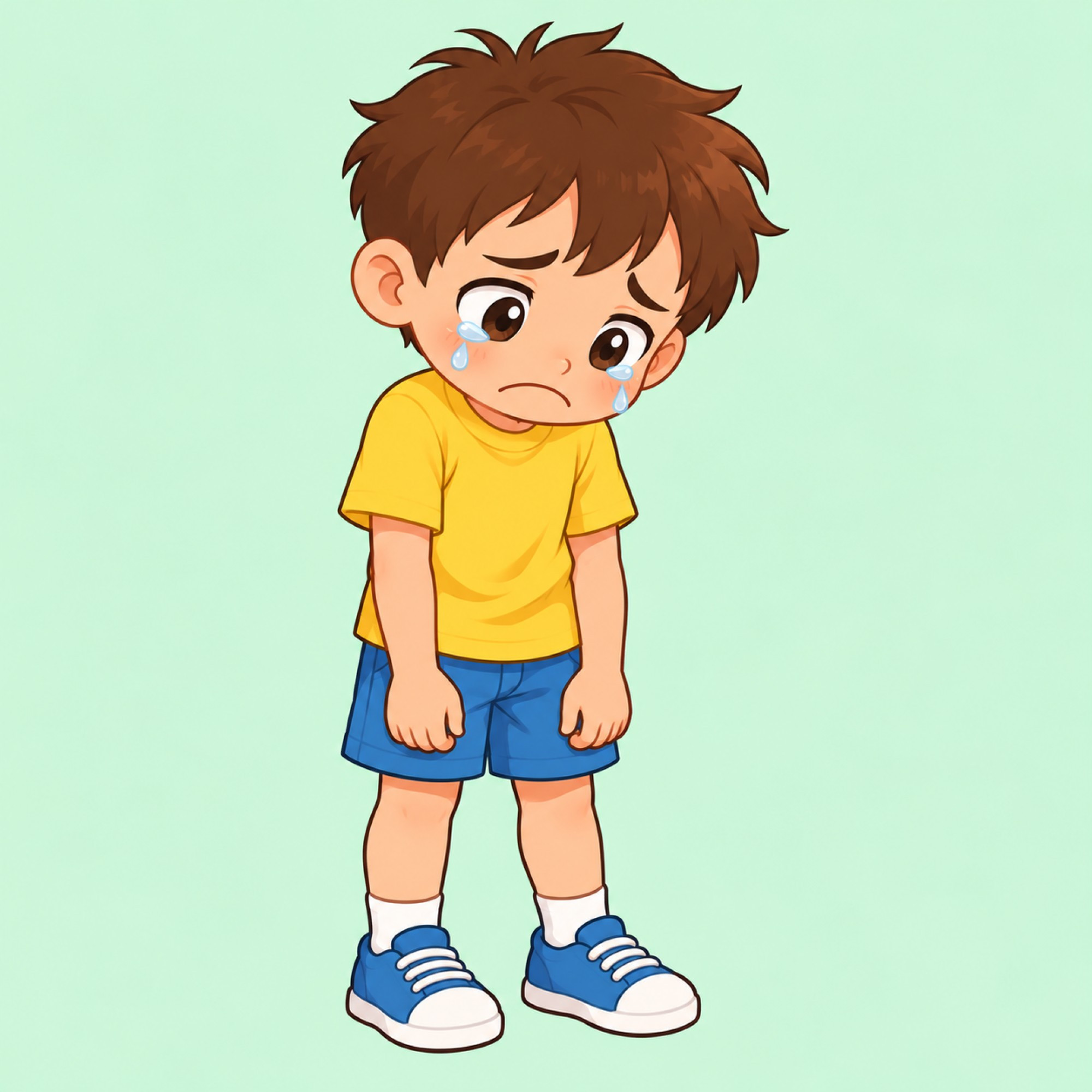 |
I am sad. |
 |
I am nervous. |
 |
I am excited. |
 |
I am tired. |
 |
I am hungry. |
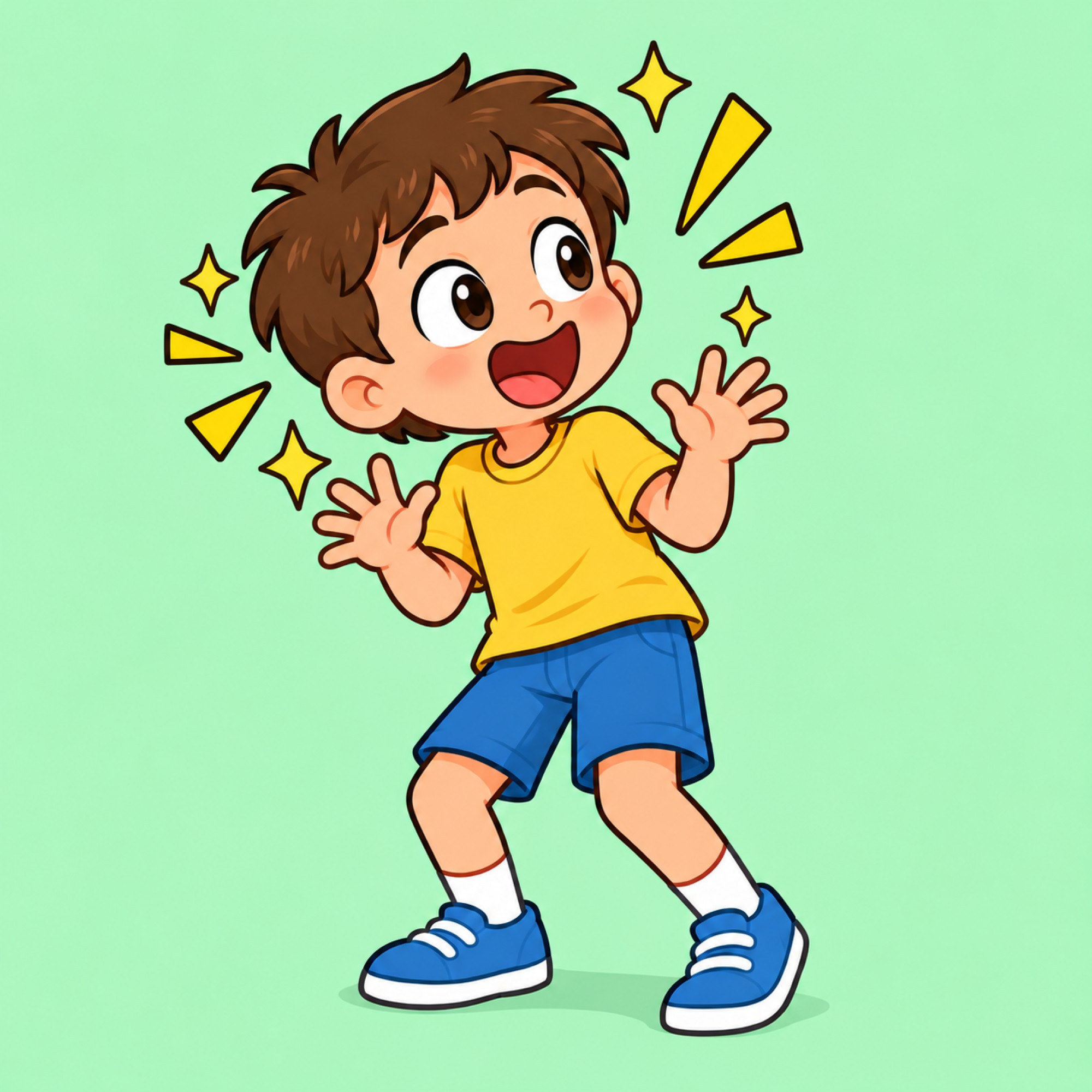 |
I am suprised. |
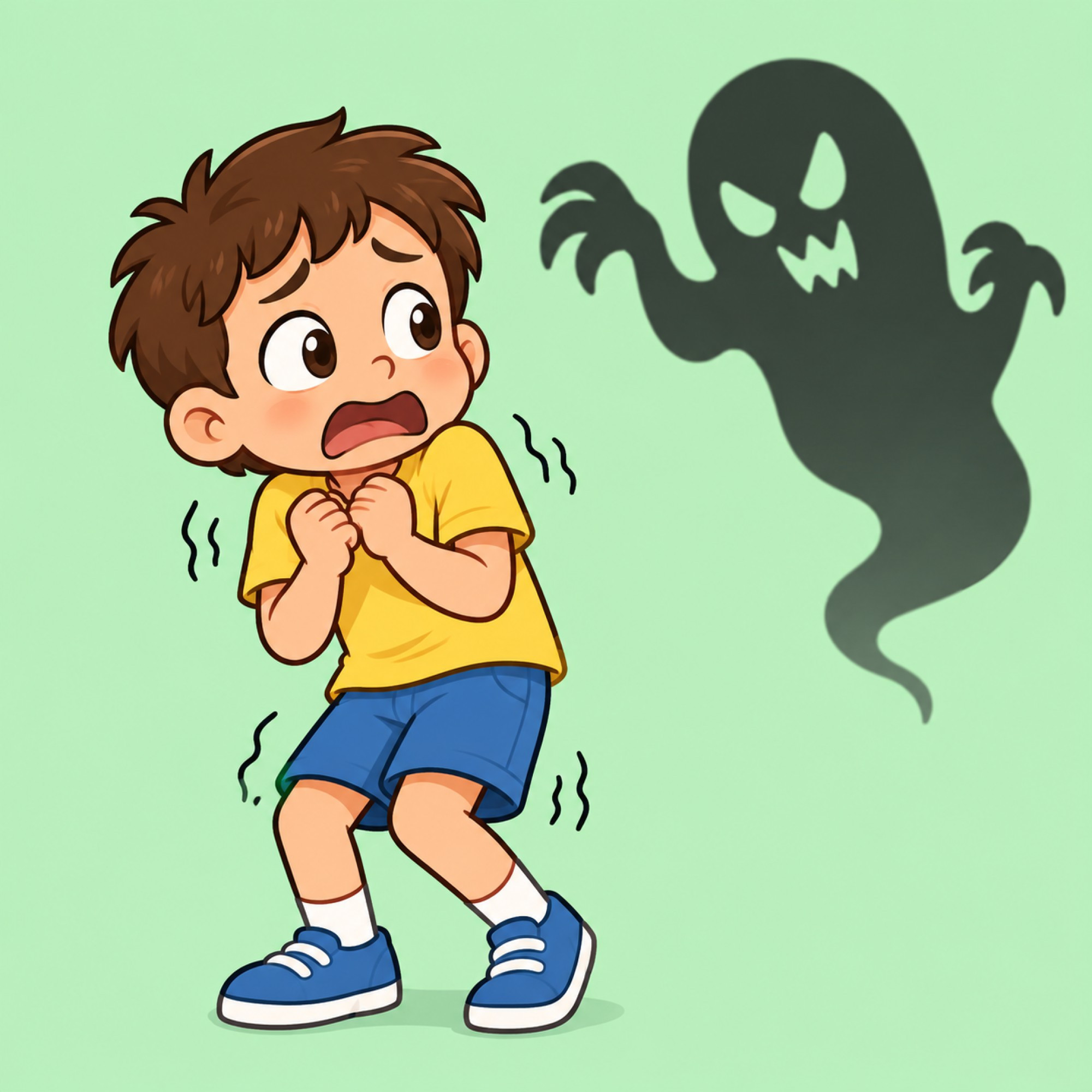 |
I am scared. |
Conversation
Jane and Keiko are in the high school cafeteria having lunch together.

Jane: I am so hungry! I hope lunch is good today.
Keiko: I'm happy that they changed the menu. How do you feel about the new menu.
Jane: Oh, I'm excited to try all the new choices.
Jane: We have a test after lunch. I am nervous about it.
Keiko: Don't worry Jane, you'll do just fine.
Jane: I did not sleep well last night. I feel tired.
Keiko: Me too. I think we will feel better after eating lunch.
Grammar in this Lesson
An adjective comes after a linking verb like be or feel to describe the subject’s condition or feeling.
“I am thirsty.”
“I feel tired.”
The verb be connects the subject with an adjective to describe how someone feels.
“I am happy.”
“I am excited.”
Contractions are short forms like I'm and you'll. They are common in spoken English and make sentences sound more natural.
“I'm happy that they changed the menu.”
“Don't worry Jane, you'll do just fine.”
Vocabulary
Here, 'scared' means feeling afraid or frightened.
In the passage“I am scared.”
-
The little boy was scared of the dark.その小さな男の子は暗闇を怖がっていました。
-
She felt scared when she heard a strange noise.彼女は変な音を聞いて怖くなりました。
Here, 'hungry' means wanting to eat because you have not eaten enough.
In the passage“I am hungry.”
“Jane: I am so hungry!”
-
I am hungry after playing outside.外で遊んだ後でお腹がすきました。
-
The cat looked hungry and wanted food.その猫はお腹を空かせていて、食べ物を欲しがっていました。
Here, 'tired' means feeling that you need rest because you have used a lot of energy.
In the passage“I am tired.”
“I feel tired.”
-
I am tired after a long day at school.学校で長い一日を過ごして疲れました。
-
She felt tired and went to bed early.彼女は疲れていたので、早く寝ました。
Here, 'excited' means feeling very happy and eager about something.
In the passage“I am excited.”
“Jane: Oh, I'm excited to try all the new choices.”
-
The children were excited about the trip.子どもたちはその旅行にわくわくしていました。
-
He felt excited before his first game.彼は初めての試合の前にわくわくしていました。
Here, 'nervous' means feeling worried or uneasy about something.
In the passage“I am nervous.”
“I am nervous about it.”
-
She was nervous before the test.彼女はテストの前に緊張していました。
-
He felt nervous when speaking in front of the class.彼はクラスの前で話すときに緊張しました。
Here, 'sad' means feeling unhappy or feeling down.
In the passage“I am sad.”
-
She felt sad when her friend moved away.彼女は友だちが引っ越して悲しくなりました。
-
The movie made him sad.その映画は彼を悲しい気持ちにさせました。
Here, 'sleepy' means feeling like you want to sleep.
In the passage“I am sleepy.”
-
I feel sleepy after lunch.昼食の後は眠くなります。
-
The baby was sleepy and closed her eyes.赤ちゃんは眠くなって目を閉じました。
Here, 'angry' means feeling mad because something upset you.
In the passage“I am angry.”
-
He was angry because someone broke his toy.誰かが彼のおもちゃを壊したので、彼は怒っていました。
-
She sounded angry on the phone.彼女は電話で怒っているように聞こえました。
Here, 'happy' means feeling glad and pleased.
In the passage“I am happy.”
“Keiko: I'm happy that they changed the menu.”
-
I am happy to see my family.家族に会えてうれしいです。
-
The children were happy at the park.子どもたちは公園でうれしそうでした。
Here, 'thirsty' means needing to drink something.
In the passage“I am thirsty.”
-
I am thirsty after running.走った後でのどが渇きました。
-
The hikers were thirsty and needed water.ハイカーたちはのどが渇いていて、水を必要としていました。
Here, 'feelings' means the emotions people have, like happy, sad, or angry.
In the passage“We all feel a lot of different feelings every day.”
“Here are some common feelings.”
-
She talked openly about her feelings.彼女は自分の感情について率直に話した。
-
It's important to respect other people's feelings.他人の気持ちを尊重することは大切です。
Here, 'surprised' means feeling shocked because something unexpected happened.
In the passage“I am suprised.”
-
I was suprised by the news.その知らせに私は驚いた。
-
She looked suprised when she saw the gift.彼女はプレゼントを見たとき驚いた様子だった。
What did you think of this lesson?
Ask a question or share a thought — I read every one.