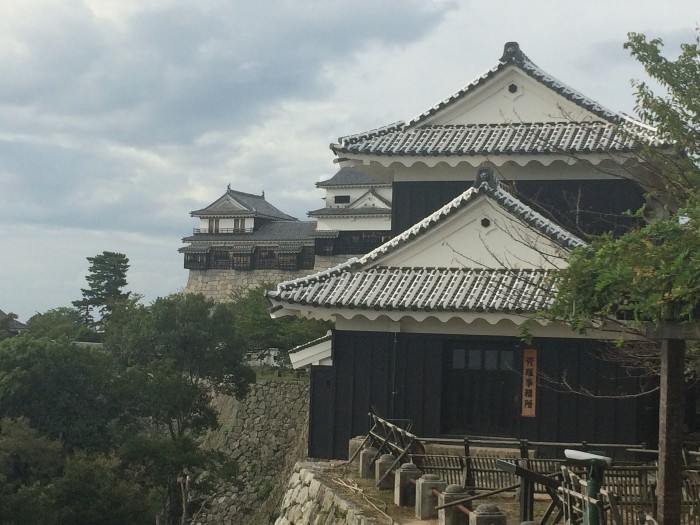
I can't believe it's been ten years since we traveled to Matsuyama, Ehime Prefecture, for the wedding of one of our nieces. At the time, I didn't know much about Shikoku, though it was on my list of places to visit someday. But with the wedding came an opportunity to see some of Matsuyama, and we wanderers don't squander our opportunities!
We arrived a couple of days before the wedding, so we had some time to take a look around. On the top of my list was Matsuyama Castle. As it turned out, that was the only thing on our list. Wedding activities occupied us for the rest of our time there.
Construction began on Matsuyama Castle in 1602, and it took 25 years to complete. The castle complex takes up the entire top of the mountain, and features sturdy stone walls, moats, and winding hillside pathways and strategic gates that were a formidable defense for the castle.
We stayed at a hotel within walking distance of the castle, so we were lucky in that regard. Or did we just plan carefully? It's been too long, it's hard to remember exactly. In any case, we made our way towards the castle after lunch, walking slowly in the drizzle and fog that enveloped the city.
The castle is situated at the top of Mt. Katsuyama. Getting to the top requires some uphill walking, but if you prefer, you can ride the gondola lift or a chair lift to the base of the castle. If you want to take the gondola, or ropeway as some people call it, approach the castle from the east.
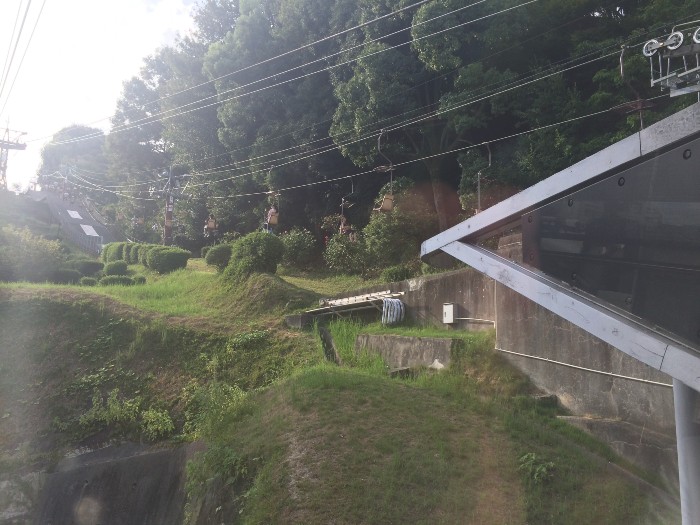
We approached it from the west, crossing the bridge over the moat into the Sannomaru section of the castle complex, now referred to as Horinouchi.
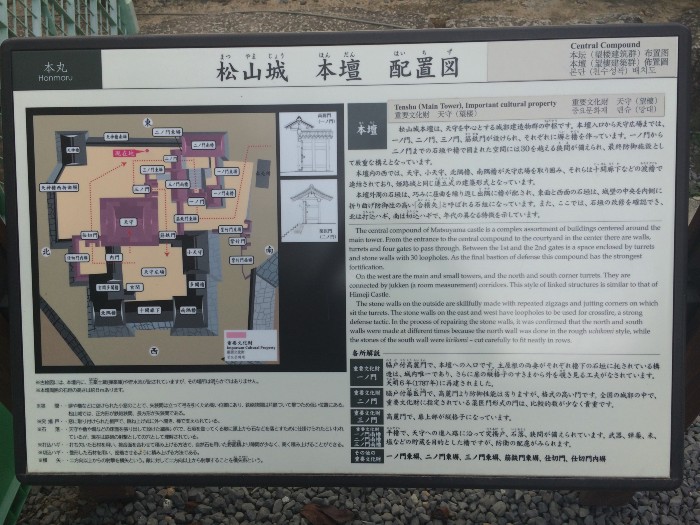
The castle complex is broken down into three distinct areas. Sannomaru housed the castle's administrative center where all castle business was conducted. Today you can find the Civic Center and Ehime Museum of Art there, as well as Shiroyama Park. Ninomaru, which is the second level of defense of the castle, and most well known for its famous garden. Lastly, Honmaru houses the castle keep (tenshu) and is surrounded by strategically placed walls and gates.
Continue walking towards the castle in the distance, and you will eventually enter Ninomaru.
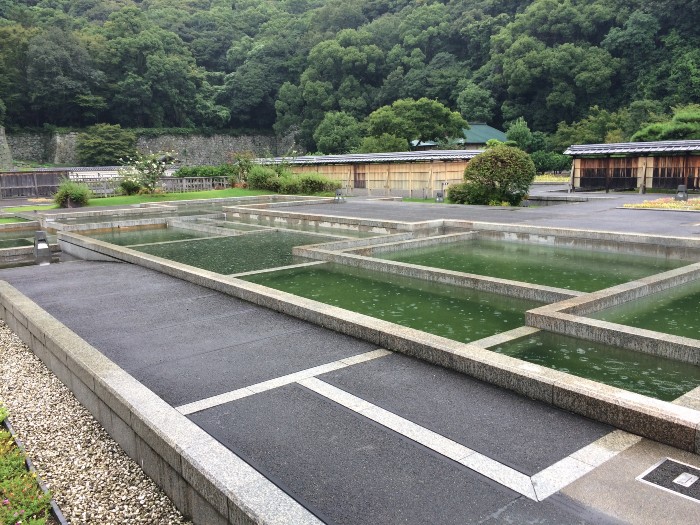
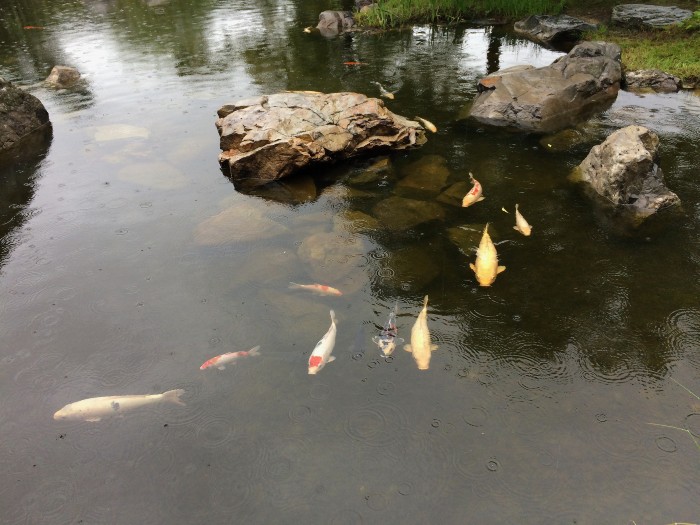
You'll not want to miss Ninomaru Historical Site Garden, as you walk towards the castle. It is a slight detour off the path to the castle, but worth it. The garden is a wonderful depiction of the floor plans of the original buildings that were here before they were burned down in 1872, with what looks like building foundations filled with water. There are flower beds too, a stream, pond, and waterfall, and tea garden houses too. It was raining while we were there, which to me was a perfect backdrop to this beautiful setting.

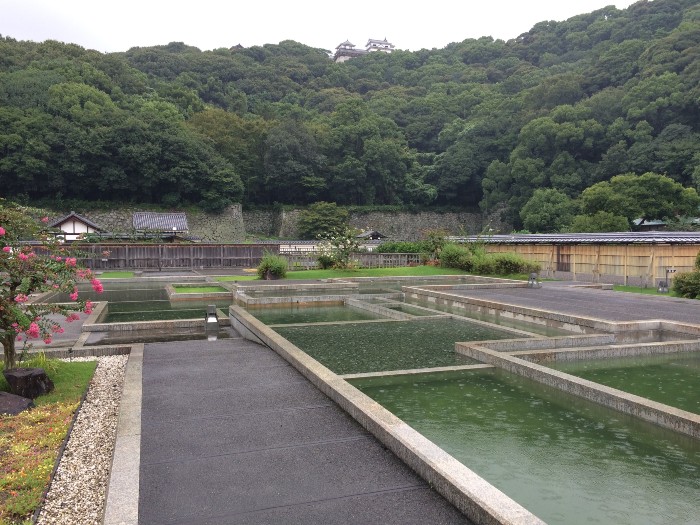
Continue walking towards the castle. You'll eventually stumble upon the Ninomaru castle walls and an upwardly inclined path. You'll be able to see some views of Matsuyama City as you go higher in elevation.

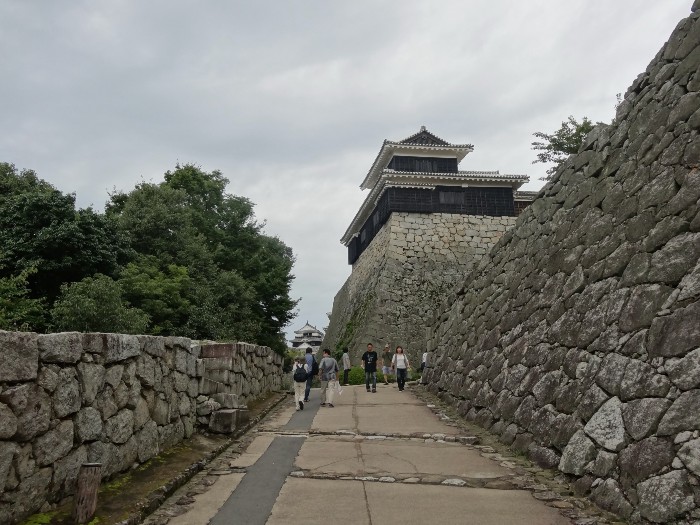

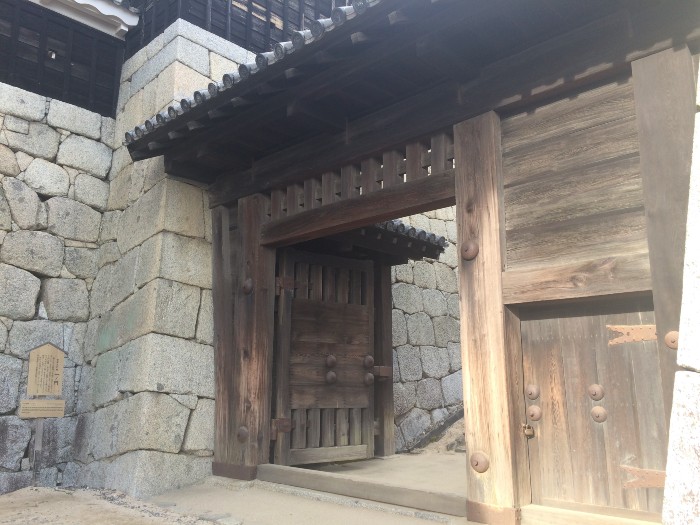
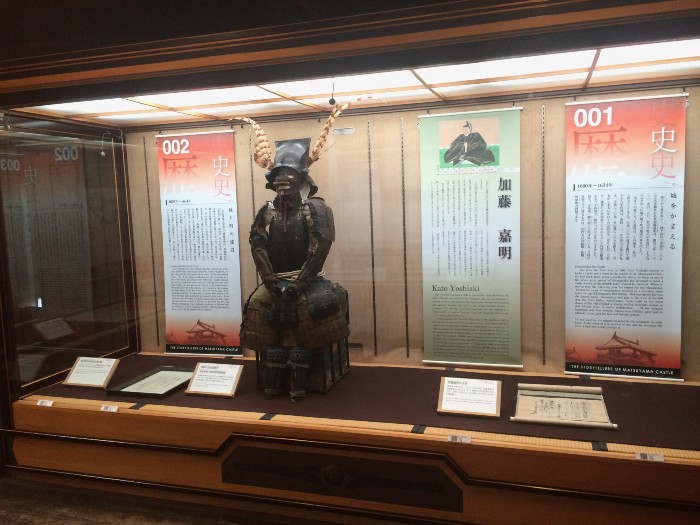
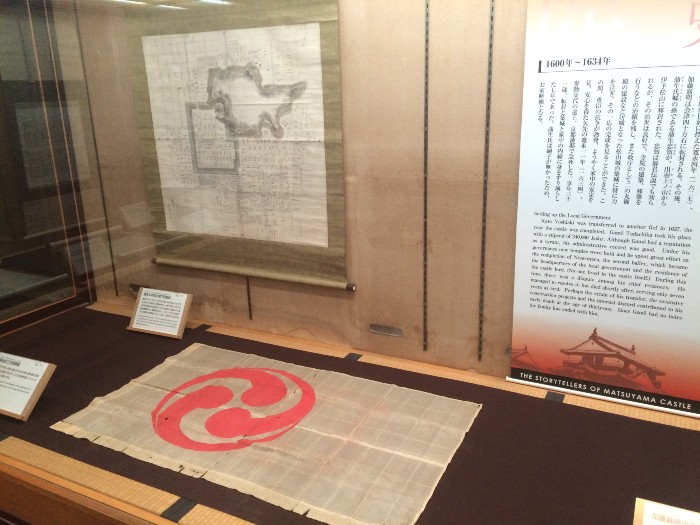
Finally, you'll reach the Honmaru, or main castle. The various gates leading into the tenshu are the last line of defense, and as you enter you will notice openings in the walls for defenders to shoot arrows, guns, or drop rocks on invaders. Wandering inside the castle keep is a fascinating history lesson, with numerous displays and exhibits on weaponry, haiku poetry, traditional construction methods, and historical events.
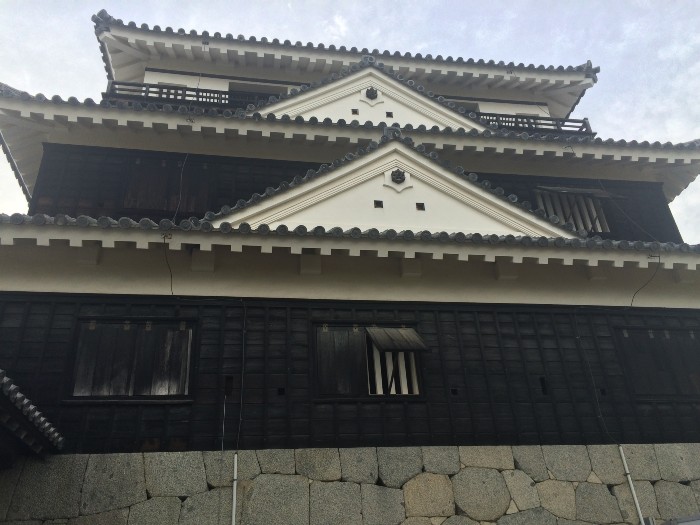

Sure, there are other places to visit in Matsuyama, such as Dogo Onsen, but this is the one that is a must. I know this is out of the way a bit, but if you are a long-time resident of Japan, Matsuyama Castle has to be on your list!
A parting note - you can check out the brochure for Matsuyama. It's got a lot of info about other attractions in the city. Cheers!
位置
単語
“In any case, we made our way towards the castle after lunch, walking slowly in the drizzle and fog that enveloped the city.”
-
We walked back to the hotel in the drizzle.私たちは小雨の中をホテルへ歩いて帰った。
-
The drizzle made the streets look shiny.小雨のおかげで通りがつやつやして見えた。
“…complex takes up the entire top of the mountain, and features sturdy stone walls, moats, and winding hillside pathways and strategic gates that were a formidable defense for the castle.”
-
The castle had strategic gates and walls.その城には戦略的に配置された門と城壁があった。
-
She made a strategic decision to visit early.彼女は早めに訪れるという戦略的な判断をした。
“Sannomaru housed the castle's administrative center where all castle business was conducted.”
-
The administrative office was located in the city center.その行政中心地は市の中心部にあった。
-
This building served an administrative role in the castle complex.この建物は城郭群の行政中心地としての役割を果たしていた。
“It is a slight detour off the path to the castle, but worth it.”
-
The garden is a short detour from the main road.その庭園はメインの道から少し外れるだけで行ける。
-
We made a detour to visit the museum.私たちは博物館を訪れるために少し回り道をした。
“You'll eventually stumble upon the Ninomaru castle walls and an upwardly inclined path.”
-
We followed an inclined path up the mountain.私たちは上り坂の道をたどって山を登った。
-
The road became inclined as we approached the castle.城に近づくと、道は上り坂になった。
“Wandering inside the castle keep is a fascinating history lesson, with numerous displays and exhibits on weaponry, haiku poetry, traditional construction methods, and historical events.”
-
The castle has an exhibit on traditional weapons.その城には伝統的な武器に関する展示がある。
-
We saw an exhibit about the history of the area.私たちはその地域の歴史に関する展示を見た。
“Lastly, Honmaru houses the castle keep (tenshu) and is surrounded by strategically placed walls and gates.”
“Wandering inside the castle keep is a fascinating history lesson, with numerous displays and exhibits on weaponry, haiku poetry, traditional construction…”
-
The castle keep was the last line of defense.その城の天守閣は最後の防衛線だった。
-
Visitors can walk inside the castle keep and learn about its history.訪問者は城の天守閣の中を歩き、その歴史について学ぶことができる。
“Wandering inside the castle keep is a fascinating history lesson, with numerous displays and exhibits on weaponry, haiku poetry, traditional construction methods, and historical events.”
-
The museum displayed old weaponry from the castle.その博物館には城にあった古い武器が展示されていた。
-
The guide explained the weaponry used by the defenders.案内人は守備兵が使った武器について説明した。
“It was raining while we were there, which to me was a perfect backdrop to this beautiful setting.”
-
The theater crew spent hours painting the sunset backdrop for the second act.劇場スタッフは、第二幕の夕焼けの背景画を描くのに何時間も費やした。
-
The historical novel unfolds against a tragic backdrop of war.この歴史小説は、戦争という悲劇的な背景の中で展開される。
“You'll be able to see some views of Matsuyama City as you go higher in elevation.”
-
The jet flew at an elevation of 30,000 feet.そのジェット機は高度3万フィートを飛行した。
-
The elevation of the space station reached 25 miles above the earth.宇宙ステーションの高度は地球上25マイルに達した。
クイズ
このレッスンはいかがでしたか?
ご質問やご感想をお気軽にどうぞ。すべて目を通しています。