
This past fall we signed up for a bus and ferry tour of Shodo Island and Shimanami Kaido, which you can read about here. To start the tour, we had to take the Shinkansen to Nagoya. So, at the end of the tour, we decided to stay an extra couple of days in Nagoya to see the sights. I had always wanted to see Nagoya Castle, so this was my opportunity!
We did not see a lot of the many interesting things in Nagoya, but of the ones we did see, we were impressed. Here are the places we visited.
Nagoya Castle — One of the most visited castles in Japan.
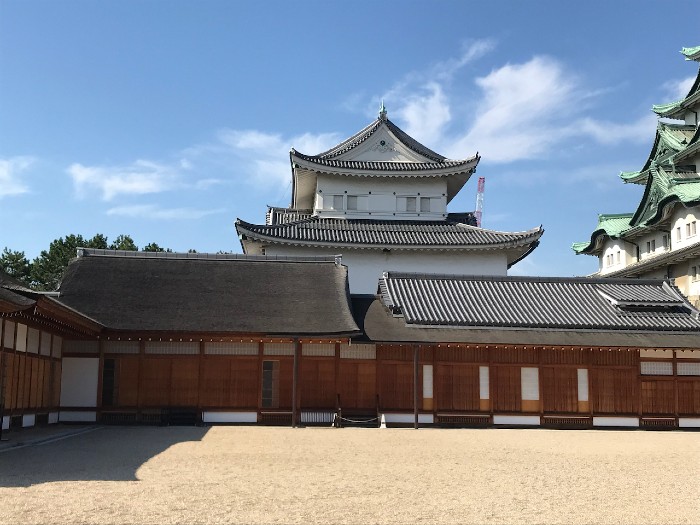
This historically important castle was completed in 1615 by the Shogun Tokugawa Ieyasu. It was the first castle in Japan to be designated as a National Treasure. Over time the city of Nagoya was built around the castle. Note that you cannot enter the castle due to a reconstruction project that will last until the end of 2028. Regardless, just viewing the exterior of the castle is worth the trip as it is one of the larger Japanese castles, and visually striking against a blue sky. Another reason to come is that Honmaru Palace is adjacent to the castle, and that is open and definitely worth the visit. More...
Honmaru Palace (Noble Alcove)
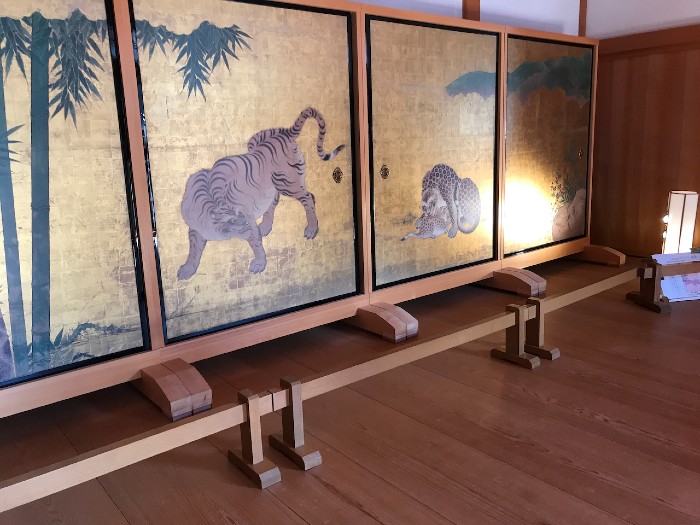
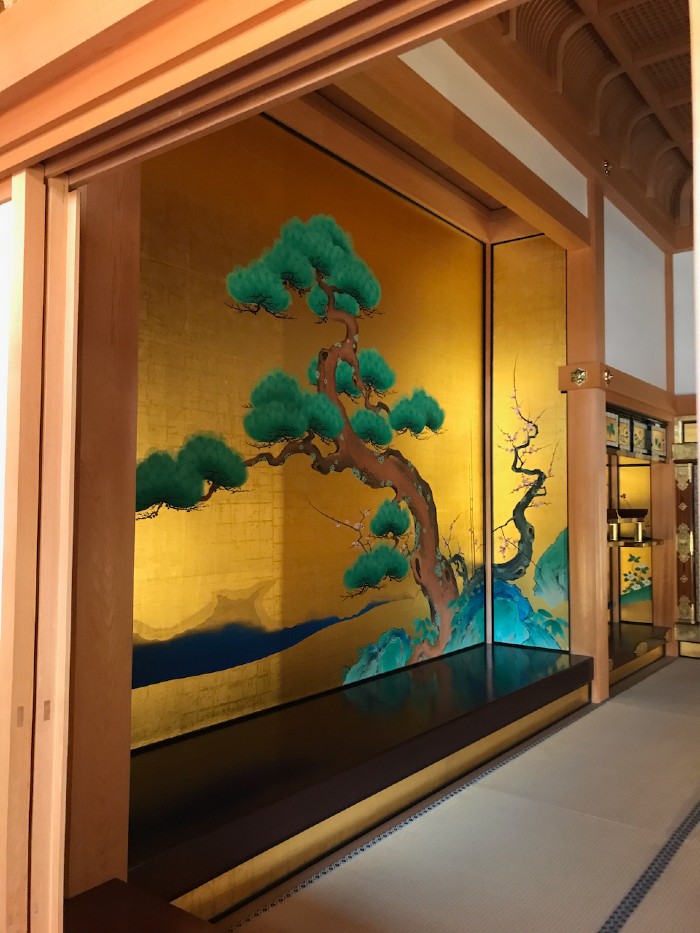
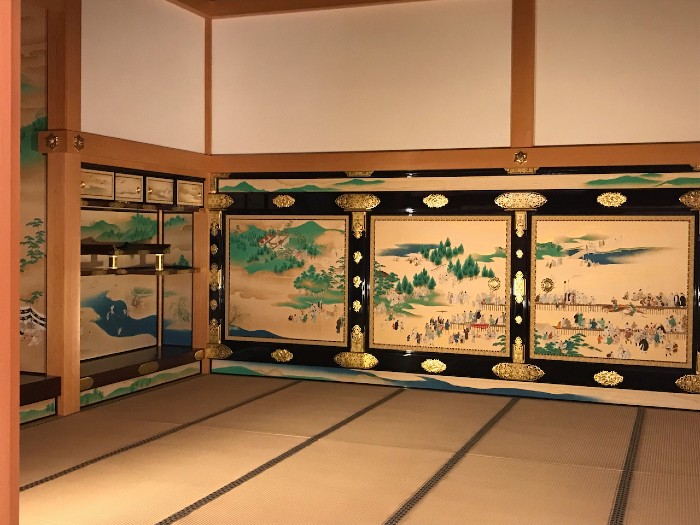
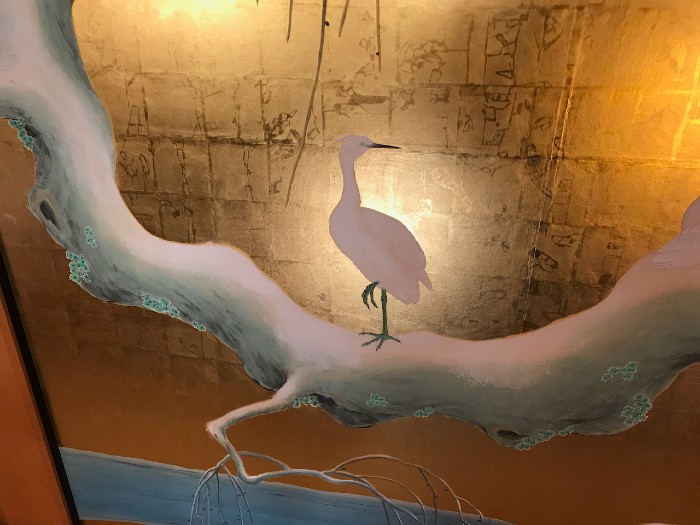
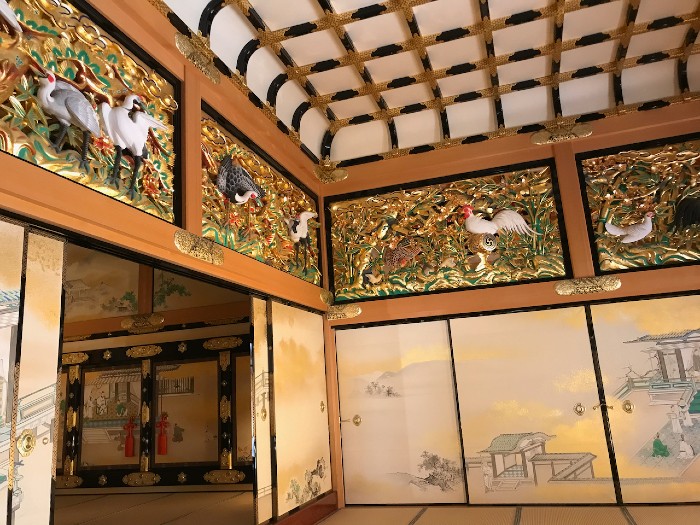
Also completed in 1615 as part of the overall Nagoya Castle's construction, Honmaru Palace is considered a masterpiece of Edo-era palace design, and in fact much of its design was emulated in the construction of Nijo Castle in Kyoto. Many of the period's renowned artists worked on the palace's gold leaf walls, screens, and fixtures. The Tiger Rooms, which feature walls with colorful tigers featured in a variety of settings, are my favorites. Note that you will need to remove your shoes, and no large bags are allowed. More...

Cultural Path
The Cultural Path is a district of Nagoya where business tycoons, actors, and other famous people settled and built lavish homes for themselves. Most of these homes were built in the early 1900s during the Taisho era, but historically the neighborhood's roots date back to the Meiji era (and some say as far back as Edo). Note that we only stopped in a couple of places along the path, and regretfully we didn't take a lot of pictures - sorry! More...
Cultural Path Futaba Museum
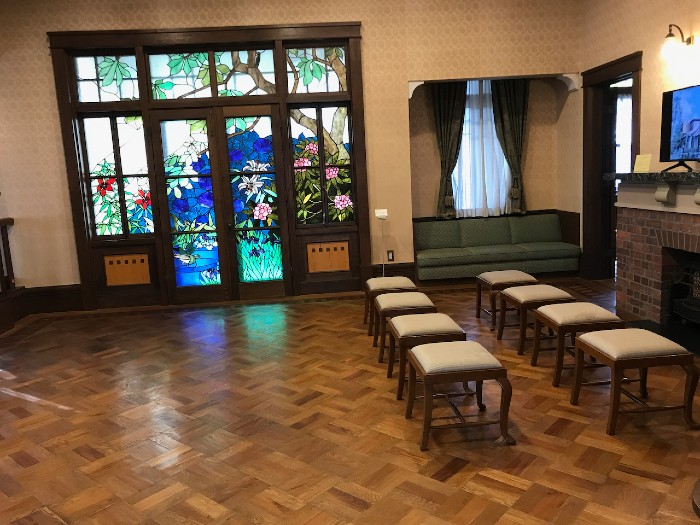
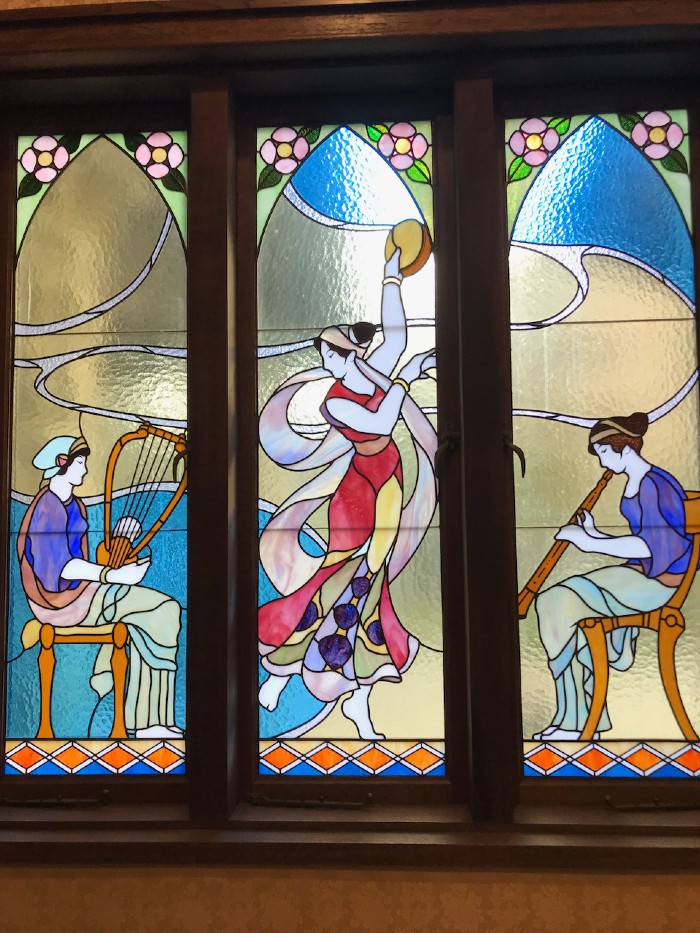
The Futaba Museum is the first stop on the Cultural Path. Originally this home was owned by Sadayakko Kawakami, who was a geisha and an actress. She formed a relationship with Momosuke Fukuzawa, known at the time as the "king of electric power", which perhaps explains why there was electric lighting in the home as that was rare in that period. The stained glass windows that are sprinkled all around add an element of warm color to the interior. The home was restored in 2000, and five years later it was renamed Cultural Path Futaba Museum. More...



Nagoya City Archives and Museum
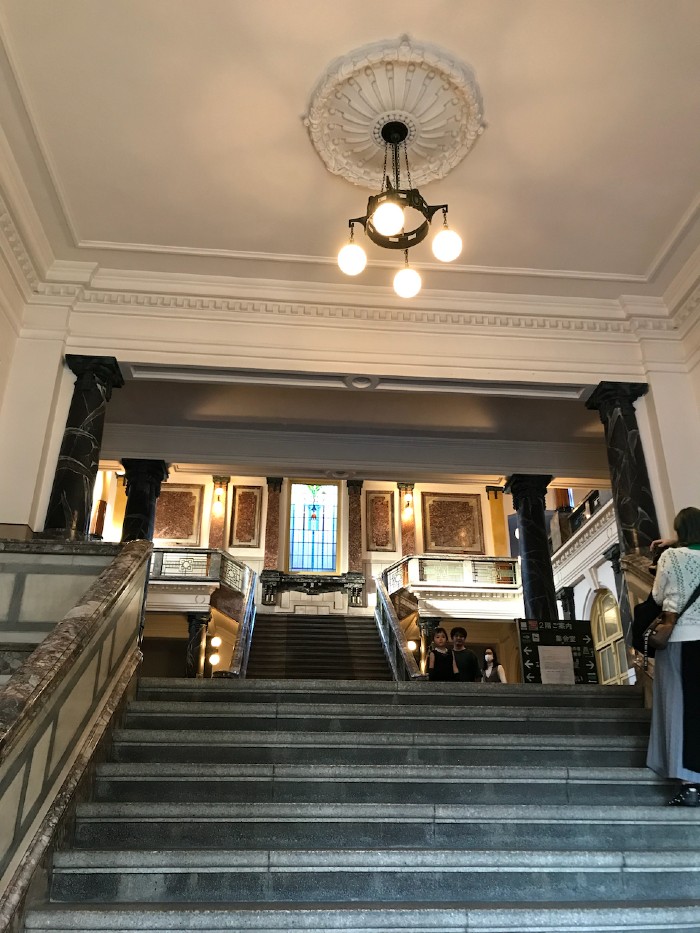
Built in 1925, this beautifully architected Neo-Baroque style building was originally a courthouse. Now it is the city archive, where Nagoya government stores all its records and important documents. The central staircase is the highlight of the structure, with its multi-color marble rails and trim, with granite steps. Above is a gorgeous cast iron four-bulb chandelier, framed in period molding, hanging from the high ceiling. Note that all materials are in Japanese, so do your homework before you come. More...


Getting around Nagoya
There are a couple of options for tourists to get from one sight to another. If you have enough time to visit the sights you want to at a leisurely pace, consider the Me-guru tour bus. It starts at Nagoya Station, and has stops at many of the major tourist attractions. You can get a one-day pass that allows you to hop on and off the bus at any of the stops on the route. Of course you can just take the city buses instead, which may add a bit of time to your journey. They too have one day passes that will save you money. More on buses...
What did we do? Well, we did not have a lot of time, so we decided to use taxis exclusively. Yes, it is a little expensive, but it does save a lot of time.
位置
単語
“The central staircase is the highlight of the structure, with its multi-color marble rails and trim, with granite steps.”
-
Granite is often used for countertops in kitchens.花崗岩はキッチンのカウンターによく使われます。
-
The mountains are made of solid granite.その山々は固い花崗岩でできています。
“It was the first castle in Japan to be designated as a National Treasure.”
-
The museum is home to many national treasures.その博物館には多くの国宝があります。
-
They found a treasure chest on the deserted island.彼らは無人島で宝物の箱を見つけました。
-
The architecture of the building is impressive.その建物の建築は印象的です。
-
She studied architecture at university.彼女は大学で建築を学びました。
“Another reason to come is that Honmaru Palace is adjacent to the castle, and that is open and definitely worth the visit.”
-
The park is adjacent to the school.その公園は学校に隣接しています。
-
Our house is adjacent to a beautiful garden.私たちの家は美しい庭に隣接しています。
“Well, we did not have a lot of time, so we decided to use taxis exclusively.”
-
They use taxis exclusively for their travels.彼らは移動にタクシーを独占的に使用します。
-
The club is open exclusively to members.そのクラブは会員に独占的に開放されています。
“The central staircase is the highlight of the structure, with its multi-color marble rails and trim, with granite steps.”
-
The marble statue is a famous piece of art.その大理石の像は有名なアート作品です。
-
We chose marble countertops for the kitchen.私たちはキッチン用に大理石のカウンターを選びました。
“Many of the period's renowned artists worked on the palace's gold leaf walls, screens, and fixtures.”
-
The fixtures in the house need to be updated.家の設備は更新する必要があります。
-
They are installing new fixtures in the bathroom.彼らはバスルームに新しい設備を取り付けています。
“Note that we only stopped in a couple of places along the path, and regretfully we didn't take a lot of pictures - sorry!”
-
He regretfully accepted the decision that was made.彼は残念ながら下された決定を受け入れました。
-
Regretfully, we have to cancel the event.残念ながら、私たちはイベントをキャンセルしなければなりません。
“Built in 1925, this beautifully architected Neo-Baroque style building was originally a courthouse.”
-
The courthouse is located in the center of the city.裁判所は市の中心に位置しています。
-
She had to go to the courthouse for her hearing.彼女は聴聞のために裁判所に行かなければなりませんでした。
クイズ
このレッスンはいかがでしたか?
ご質問やご感想をお気軽にどうぞ。すべて目を通しています。