
I had not heard of Kawagoe until our friends P-san and Naomi offered to take us there for lunch. So we met them in Omiya, and they drove us to Kawagoe in their newish white Audi.
An Edo-era town in Saitama northwest of Tokyo, Kawagoe was historically a warehouse town, with its heart in its warehouse district called Kurazukuri. The main street in Kurazukuri is lined by Edo-style buildings, some of which have been standing for centuries. There you'll find snack and candy shops, and traditional restaurants. See my story on a couple of restaurants I tried by clicking here.
The main sights in Kawagoe, in addition to the Kurazukuri district, are the historic temples and the remains of Kawagoe Castle.
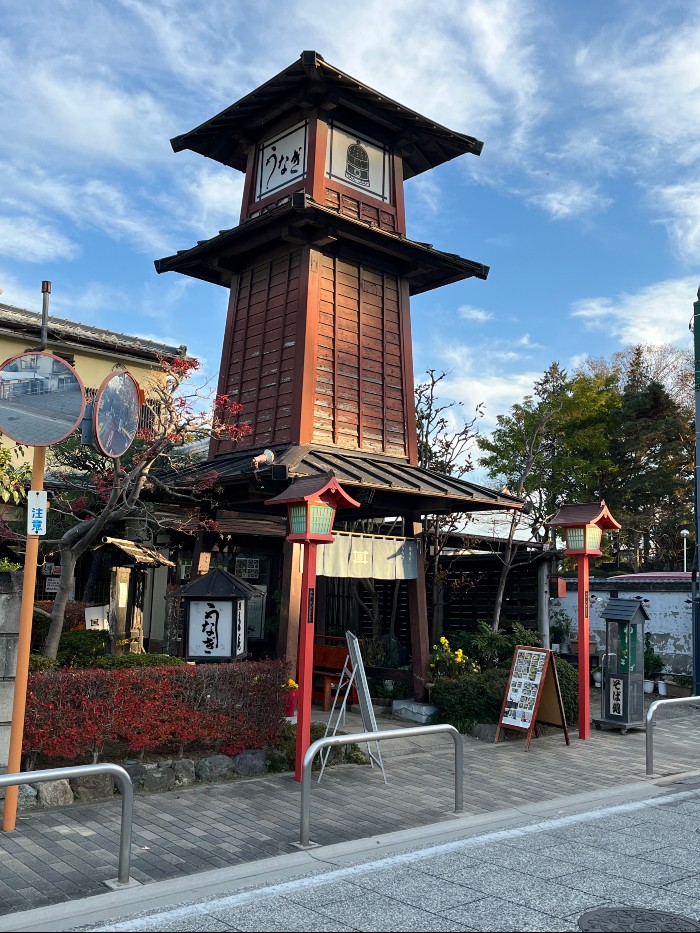
Kurazukuri Street is a two-lane road where many of those old storefronts can be found. I found that on a weekend day it can get pretty crowded on the limited sidewalk area, while you still have quite a bit of car and bus traffic to dodge. There are two other popular roads - Kanetsuki Street and Taisho Roman Dori - where you can walk safely and enjoy the shops without having to keep an eye out for motorized vehicles (for the most part).
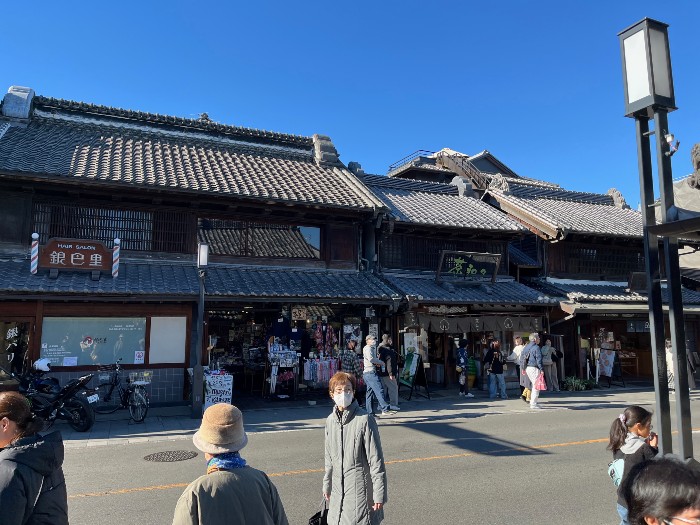
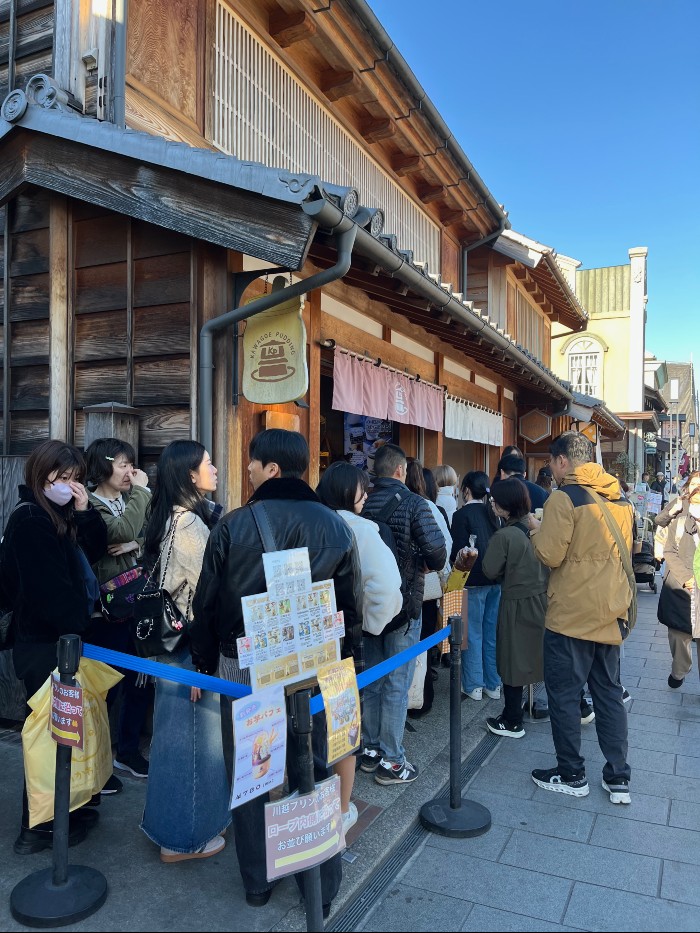


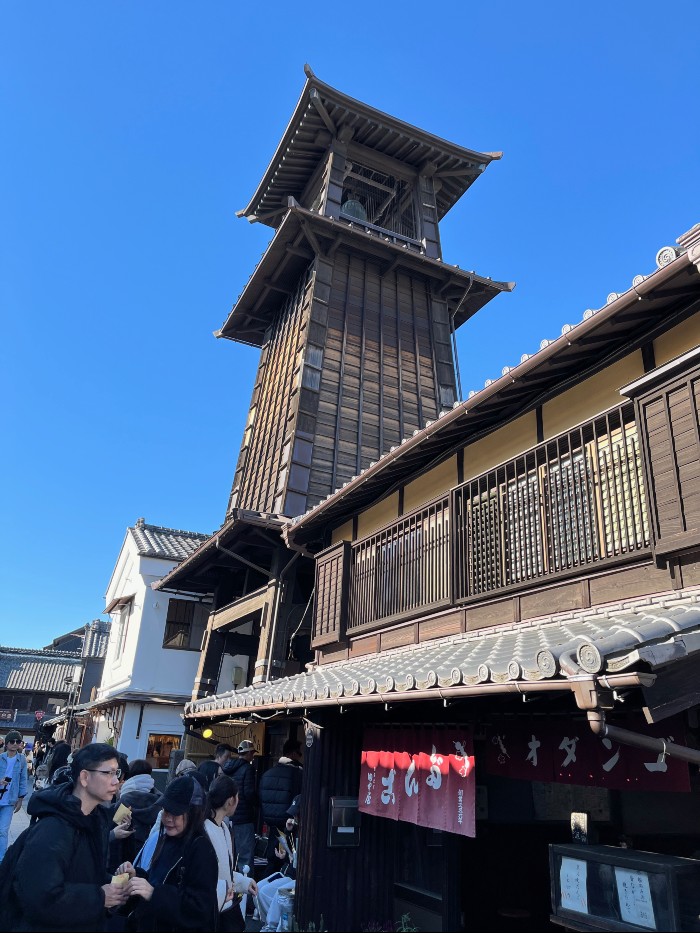
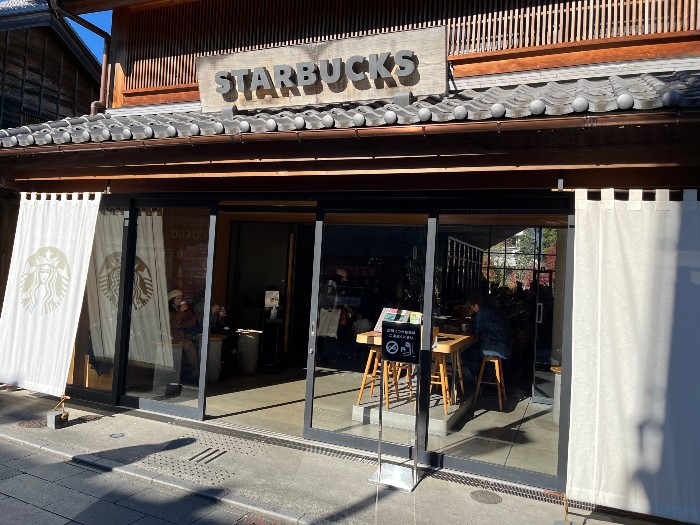
You'll also notice a Starbucks in an old traditional building, reminiscent of the one in Kiyomizu, Kyoto. We didn't go inside but I'm sure the menu is traditional Starbucks, and so your usual Frappuccino is waiting for you.
On Taisho Roman Dori you'll see traditional storefronts designed during the Taisho period (1912-1926). These, in addition to the ones designed before that in the Edo period (1603-1868), as well as some designed after that in the Showa period (1926-1989), all stand side by side like old friends. Many of the buildings are the original structures, with wood frames and facades dating back more than a century. For elderly Japanese folks, these streets must evoke a deep nostalgia and longing for the past.

This concluded our day together in Kawagoe, but alas, I came home thinking that there was more to see. So I returned alone the following day, which was a Monday. What a difference a day makes! Many of the shops were closed, and the level of tourist activity was a small fraction of what it was on Sunday. A perfect day to visit the temples, because they are always open!
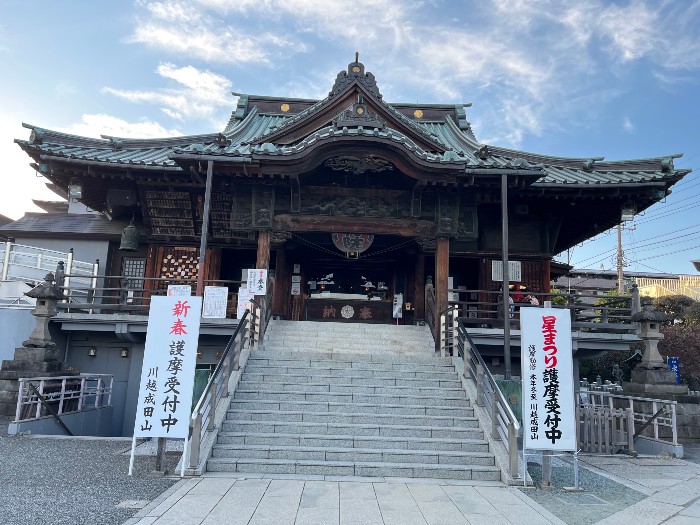
There are numerous temples in Kawagoe that are worth visiting, but I will only mention a couple of them. The route I took to view them started after my burger lunch at Burger Cafe Honohono. I walked south through the Otemachi district, and into the Sankubocho district, and headed toward the temple complex centered around Kita-in. After a left turn off the main road going east, the first temple I encountered was Naritasan Kawagoe Betsuin Hongyo-in.
Naritasan Kawagoe Betsuin Hongyo-in is an Edo-era temple founded in 1853 by Ishikawa Sho'on. The background of the temple's establishment is interesting. Ishikawa at one point in his life became blind, and so he began fasting at Naritasan Shinshoji Temple in Narita, Chiba. This temple is dedicated to the fire god Fudō Myō-ō, also known as Acala outside Japan. Eventually Ishikawa regained his eyesight, and attributed his recovery to Fudō Myō-ō. He decided to spread the word about Fudō Myō-ō throughout the country, and eventually settled into reconstituting an existing temple into the current Kawagoe Betsuin temple, dedicated to Fudō Myō-ō.
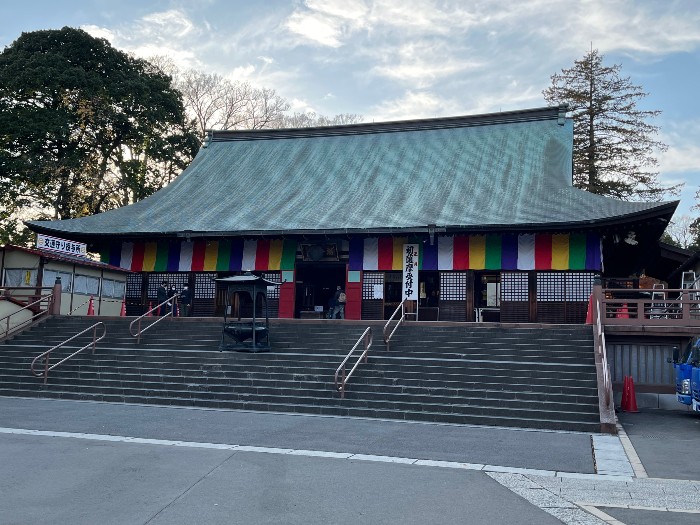
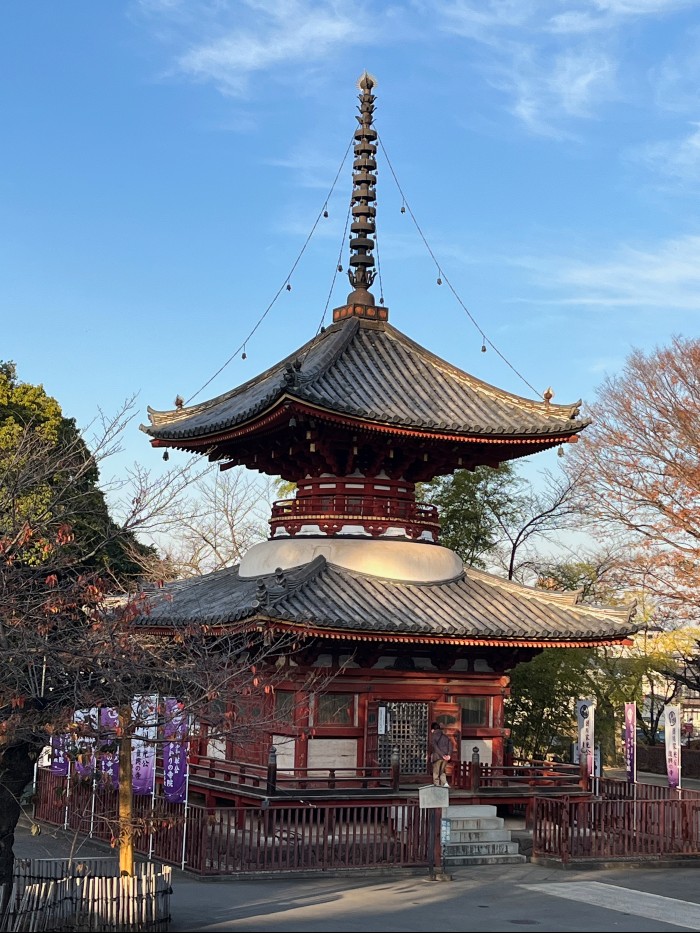
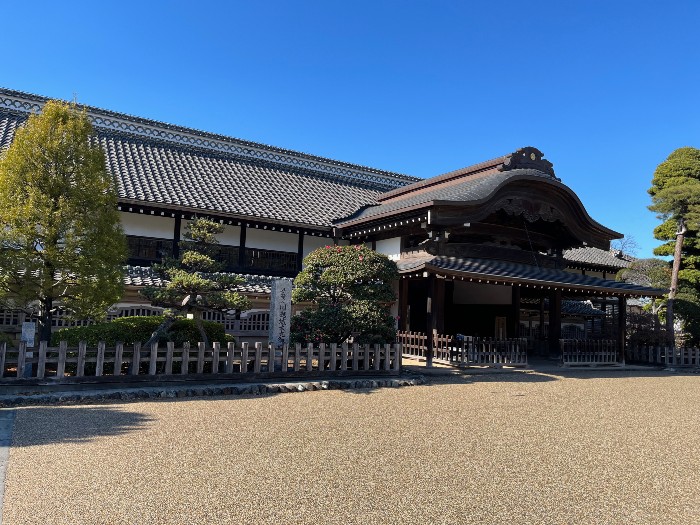
I then proceeded south to the main temple group of Kita-in, which is the head temple of the Tendai Sect in the Kanto Region. Kita-in was one of three temples built as a group in the 9th century. It came into prominence in the 17th century due to shogun influence in the Edo period. Much of Kita-in was destroyed by fire in 1638, and during reconstruction, some buildings from Edo Castle (the Imperial Palace grounds in Tokyo) were transported to this site. These are the only buildings that remain from Edo Castle.
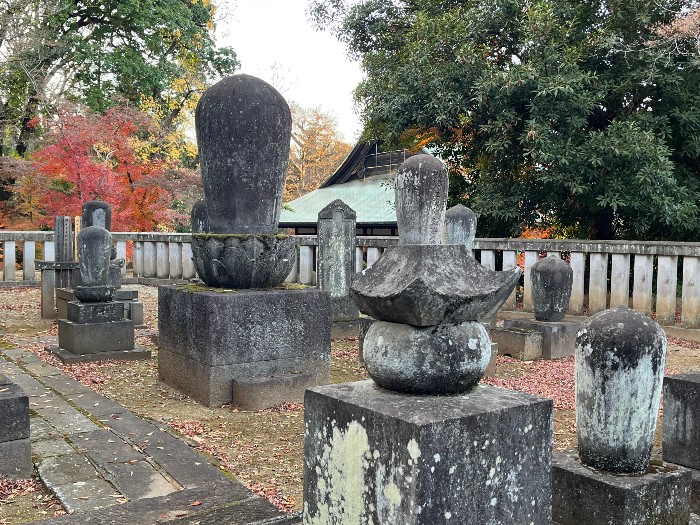
One other interesting site to check out is the Gohyaku Rakan statues, which consist of 540 stone statues of the disciples of Buddha, each with its own facial expression.

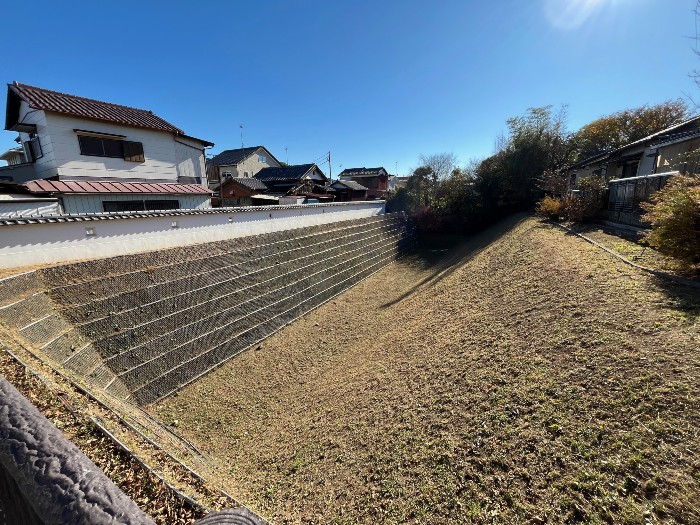
Two places that I did not check out fully are the remains of Kawagoe Castle and Honmaru Palace. There are some scattered remains of the boundaries of the castle, which incidentally gave us a notion of how large the castle grounds were.
Kawagoe Castle was built in 1457 by Ōgigayatsu Uesugi Mochitomo, a military leader and shugo daimyō of the powerful Ōgigayatsu branch of the Uesugi clan during Japan's mid-Muromachi period. Matsudaira Nobutsuna, lord of Kawagoe Domain, led a major renovation and expansion of Kawagoe Castle in 1638, which included the Honmaru. Honmaru Palace is the only structure of Kawagoe Castle still standing.

I can't help thinking that I just scratched the surface of the history of Kawagoe, in particular its ancient temples and castle. I promise to return and learn more. Maybe I'll see you there too?
Location
Vocabulary
Here, 'warehouse' means a building used to store goods, so a 'warehouse town' had many such buildings.
In the passage“An Edo-era town in Saitama northwest of Tokyo, Kawagoe was historically a warehouse town, with its heart in its warehouse district called Kurazukuri.”
-
The old warehouse was turned into a museum.その古い倉庫は博物館に改装された。
-
Many products are stored in the warehouse before shipping.多くの商品は出荷前に倉庫に保管される。
Here, 'district' means a particular area or part of a town.
In the passage“An Edo-era town in Saitama northwest of Tokyo, Kawagoe was historically a warehouse town, with its heart in its warehouse district called Kurazukuri.”
“The main sights in Kawagoe, in addition to the Kurazukuri district, are the historic temples and the remains of Kawagoe Castle.”
-
We walked through the historic district after lunch.私たちは昼食後、歴史的な地区を歩いた。
-
This district is known for its traditional shops.この地区は昔ながらの店で知られている。
Here, 'came into prominence' means the town became important and well known.
In the passage“It came into prominence in the 17th century due to shogun influence in the Edo period.”
-
The town rose to prominence in the Edo period.その町は江戸時代に隆盛を極めた。
-
Her prominence in the field grew quickly.その分野での彼女の隆盛は急速に高まった。
Here, 'reconstructed' means built again after being destroyed by fire.
In the passage“It was originally constructed in the early 1600s and was reconstructed multiple times after it was destroyed by fire.”
-
The city had to reconstruct the bridge after the flood.その町は洪水の後、橋を再建しなければなりませんでした。
-
They reconstructed the old castle using historical records.彼らは歴史資料を使ってその古い城を再建しました。
Here, 'reminiscent of' means it makes you think of the similar Starbucks in Kiyomizu, Kyoto.
In the passage“You'll also notice a Starbucks in an old traditional building, reminiscent of the one in Kiyomizu, Kyoto.”
-
The play we saw was reminiscent of the time we were in high school.私たちが観た劇は、高校時代を思い出させるものだった。
-
The smell of the cut grass was reminiscent of when I was a boy. I cut the grass so many times I can still smell the grass.刈りたての草の匂いは、私が少年だった頃を思い出させた。何度も草を刈ったので、今でもその匂いを覚えている。
Here, 'facades' means the front walls of the buildings that face the street.
In the passage“Many of the buildings are the original structures, with wood frames and facades dating back more than a century.”
-
The facade of the building is beautifully crafted.その建物の外観は美し装飾されています。
-
The historic facade attracts many tourists.その歴史的な外観は多くの観光客を引き寄せます。
-
The facades of the historic buildings were carefully restored.歴史的な建物のファサードは丁寧に修復された。
-
Behind his cheerful facade, he was feeling very lonely.彼の明るい外見の裏では、非常に孤独を感じていた。
Here, 'reconstituting' means rebuilding and reorganizing an existing temple into a new form.
In the passage“He decided to spread the word about Fudō Myō-ō throughout the country, and eventually settled into reconstituting an existing temple into the current Kawagoe Betsuin temple, dedicated to Fudō Myō-ō.”
-
You will need to use warm water to reconstitute the dried milk powder.乾燥粉ミルクを戻すには、温水を使用する必要があります。
-
The board of directors voted to reconstitute the bankrupt company, to the surprise of the local government.取締役会は、地元自治体の予想に反して、破産した会社を再建することを決議した。
Here, 'storefronts' means the fronts of shops that face the street.
In the passage“Kurazukuri Street is a two-lane road where many of those old storefronts can be found.”
“On Taisho Roman Dori you'll see traditional storefronts designed during the Taisho period (1912-1926).”
-
The storefronts on this street were decorated with bright holiday lights.この通りの店先は、明るいクリスマスの電飾で飾られていた。
-
Many of the old storefronts have been replaced by modern glass buildings.古い店先の多くは、現代的なガラス張りの建物に建て替えられた。
Here, 'dodge' means to move quickly out of the way to avoid the cars and buses.
In the passage“…a weekend day it can get pretty crowded on the limited sidewalk area, while you still have quite a bit of car and bus traffic to dodge.”
-
He tried to dodge the ball, but it still hit his shoulder.彼はボールをかわそうとしたが、それでも肩に当たった。
-
The politician dodged the question during the interview.その政治家はインタビューでその質問をはぐらかした。
Here, 'nostalgia' means a warm but sad feeling of missing the past.
In the passage“For elderly Japanese folks, these streets must evoke a deep nostalgia and longing for the past.”
-
Bouts of nostalgia are often prompted by thoughts about the past; particular places and objects; feelings of loneliness, disconnectedness, or meaninglessness; and repeated sounds, smells, tastes, textures, and times of year.懐かしさの発作は、しばしば過去についての考えによって促されます。特定の場所や物; 孤独感、断絶感、無意味感。繰り返される音、匂い、味、食感、そして季節、など。
Quizzes
Next in This Series
 Lesson 8 of 8
Kamakura, The Kyoto of Eastern Japan
Kamakura is often referred to as the Kyoto of Eastern Japan, and for good reason. Its historic temples are stunning examples of architecture introduced from Song Dynasty China with Zen Buddhism's influence. Kamakura was once the administrative capital of Japan. And so it has the history, sure, but that is not all it has to offer. I've visited Kamakura numerous times over the years, so it was about time I wrote something about this interesting city south of Tokyo.
Next Lesson
Previous lesson: The Fall Foliage of Tateshina, Nagano and the Majestic Matsumoto Castle
What did you think of this lesson?
Ask a question or share a thought — I read every one.